

Investing in real estate is one of the most effective ways to build wealth, and the growing trend of dual occupancy homes offers an excellent opportunity to maximise land potential.
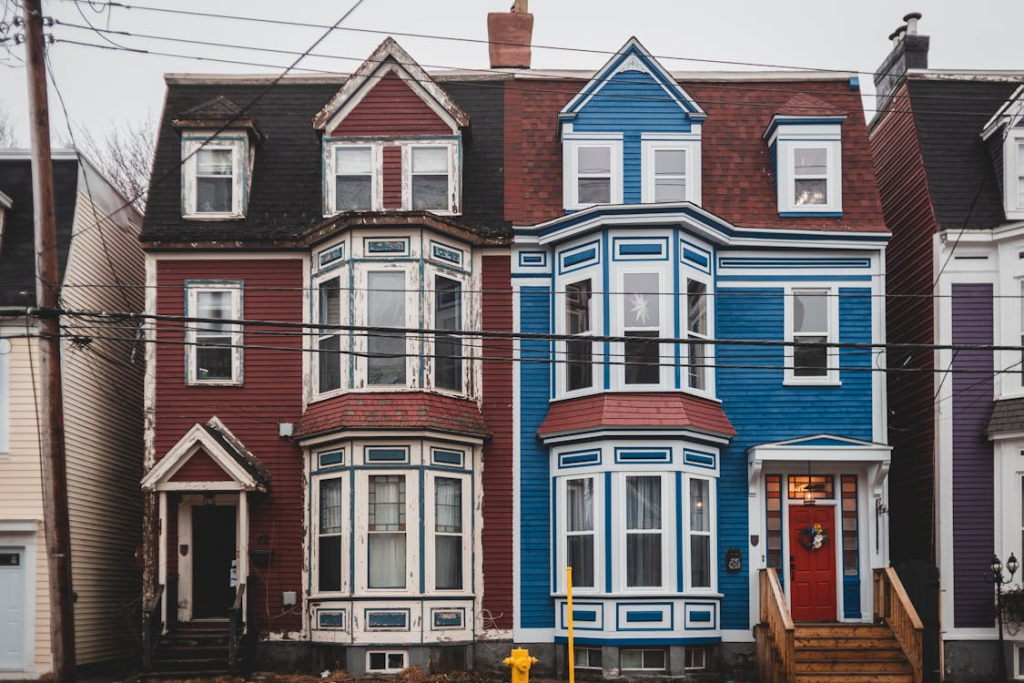
Dual occupancy homes, which involve building two separate residences on one plot of land, provide a range of financial and practical benefits. If you’re interested in learning more about how dual occupancy homes can boost your investment, go to my site for more information.
What is Dual Occupancy?
Dual occupancy homes refer to a property development where two separate homes are built on a single block of land. These homes are designed to be independent from one another but share the same parcel of land, which maximises its potential. Typically, dual occupancy homes are either side-by-side (attached or detached) or a duplex-style arrangement, with each unit having its own private entrance and amenities.
Different Types of Dual Occupancy Designs
There are several ways to design dual occupancy homes, each with its own benefits depending on your goals, the land’s size, and zoning regulations.
- Side-by-Side Dual Occupancy: In this design, two separate homes are built next to each other. These properties often share a common wall, although some designs may allow for detached units. This configuration allows for individual yards and private spaces for each dwelling.
- Duplex: A duplex typically features two homes under one roof, either stacked or side-by-side. This layout is more common for smaller blocks of land and allows for efficient use of space.
- Attached vs. Detached: Some dual occupancy homes are attached, sharing one wall, while others are completely detached. Detached homes often offer more privacy and a larger sense of space but can come at a higher cost.
The design and layout of the dual occupancy property will depend on the available land and local council regulations.
The Benefits of Dual Occupancy Homes
Dual occupancy homes are an attractive investment option for a variety of reasons. Not only can they boost your returns, but they also offer flexibility and long-term financial advantages. Let’s explore how dual occupancy homes can make a positive impact on your investment strategy.
Increased Rental Income Potential
One of the most significant benefits of dual occupancy homes is the potential for higher rental income. By building two homes on one block of land, you can rent both properties out separately, effectively doubling your rental yield.
- Higher Rental Yield: Renting two homes instead of one increases the overall income generated from the property. This can significantly boost your cash flow and increase your return on investment (ROI).
- Diverse Tenant Pool: Dual occupancy homes cater to a variety of tenants, from small families to young professionals or retirees, depending on the design and location of the properties. The flexibility of having two distinct homes also means you can attract a more diverse group of tenants.
With the right design and location, a dual occupancy home can provide a steady stream of income, making it a great option for investors looking for long-term rental revenue.
Capitalising on Land Value
Dual occupancy homes maximise the value of a piece of land by allowing two properties to be built on it, rather than just one. This can significantly increase the value of your property and provide higher returns when you sell.
- Optimised Use of Space: Instead of leaving space underutilised, dual occupancy homes make full use of available land, which can significantly increase its value.
- Future Sale Opportunities: When it comes time to sell, you may be able to sell the properties individually (if they are on separate titles) or as a package, depending on your local council’s regulations. This flexibility can increase the property’s resale value.
Building dual occupancy homes is a smart way to capitalise on land, especially in areas where land is scarce or expensive.
Long-Term Investment Growth
Investing in dual occupancy homes offers the potential for long-term capital growth. In high-demand areas, these properties can appreciate in value faster than standard single-home investments, providing a solid financial return over time.
- Diversification of Investment: Having two separate homes gives you two distinct assets on one plot of land, allowing for diversification within the same investment. Even if one property does not perform as well in terms of rental yield, the other may perform better, balancing out the returns.
- Sustained Demand: In many urban areas, there is an increasing demand for dual occupancy homes due to the benefits of more affordable housing in desirable locations. As the population continues to grow, dual occupancy homes remain a sought-after investment.
These long-term growth prospects make dual occupancy homes an appealing choice for investors looking to secure their financial future.
Design and Planning Considerations for Dual Occupancy Homes
Designing a dual occupancy home involves careful planning to ensure that the properties are functional, aesthetically appealing, and compliant with local building codes and zoning regulations.
Local Zoning and Permitting
Before starting any construction, it is essential to understand the zoning regulations in your area. Zoning laws will determine what type of properties can be built on the land, the maximum height and floor space, and how far apart the homes must be from one another.
- Zoning Restrictions: Make sure that the land is zoned for dual occupancy or that you can apply for a rezoning if necessary. Zoning laws vary by area, so it’s important to do thorough research before committing to a project.
- Building Permits: Obtaining the necessary permits is essential to ensure your build is legal and complies with local regulations. These permits may include approval for land subdivision, building codes, and environmental concerns.
Consult with a local architect or town planner to make sure your plans meet all requirements before beginning construction.
Maximising Space and Functionality
One of the biggest challenges when designing dual occupancy homes is making the most out of the available land. A well-designed layout will ensure that each property feels spacious, even if the plot is relatively small.
- Space-Saving Designs: Consider creating compact, functional layouts with open-plan living spaces, multifunctional rooms, and efficient use of storage. This will make the properties feel larger and more inviting.
- Privacy and Soundproofing: One important consideration for dual occupancy homes is maintaining privacy between the two properties. Soundproofing materials, well-positioned fences, and strategic window placement can help ensure that each home feels private and independent.
Smart design choices can make a significant difference in how liveable and desirable your dual occupancy home is for tenants.
Sustainable Design and Energy Efficiency
Incorporating energy-efficient and sustainable design features into your dual occupancy build not only helps reduce your environmental footprint but also attracts environmentally conscious tenants.
- Energy-Efficient Appliances: Use energy-efficient lighting, heating, and cooling systems to reduce utility costs and improve the sustainability of the property.
- Solar Panels and Water Tanks: Installing solar panels or rainwater tanks can provide long-term savings for tenants and increase the property’s appeal. Many tenants now actively seek out homes with sustainable features.
- Natural Ventilation and Insulation: Good insulation and proper ventilation can reduce heating and cooling costs, which is attractive to both tenants and future buyers.
Incorporating these features into the design increases the property’s value and its long-term appeal.
Financing Your Dual Occupancy Build
Financing a dual occupancy home can be different from financing a standard single-family home. Lenders often require specific documentation, and the cost of building a dual occupancy home can be higher than a standard build.
Understanding Your Financing Options
When applying for a loan to finance a dual occupancy build, it’s essential to work with a lender experienced in financing investment properties. Depending on your situation, you may qualify for different types of loans.
- Construction Loans: These loans are used to finance the building process. They typically come with higher interest rates but allow for staged payments as construction progresses.
- Investment Loans: If you are planning to rent out the dual occupancy properties, you may be eligible for an investment loan, which often has different terms than a standard home loan.
Be sure to get pre-approval for a loan before starting the building process to ensure you have the necessary financing in place.
Conclusion
Maximising land potential with dual occupancy homes is a smart way to increase your investment return. These properties offer the opportunity for higher rental income, increased property value, and long-term capital growth.
By carefully considering design, zoning regulations, and financing options, you can create a dual occupancy home that serves both your financial goals and your tenants’ needs. With the right planning and execution, dual occupancy homes can be a rewarding investment strategy.
Frequently Asked Questions
How long does it take to build a dual occupancy home?
The timeline for building a dual occupancy home depends on factors such as the design complexity, site preparation, and availability of materials. On average, it takes between 9 to 18 months to complete a dual occupancy project.
What are the zoning requirements for dual occupancy homes?
Zoning requirements for dual occupancy homes vary by location. It’s important to check with your local council to determine if the land is zoned for dual occupancy or if a rezoning application is necessary.
Can I sell the dual occupancy homes separately?
In some cases, dual occupancy homes can be sold separately if they are on individual titles. However, the ability to do so depends on local regulations and the way the property is subdivided.