

A child’s early years shape their future. During this period, warm and consistent relationships with adults form the base for emotional, social, physical and cognitive development. The role of caring educators in early childhood development cannot be overstated.
In high-quality environments such asGlenorie preschool, educators do more than supervise—they guide, support and respond to each child’s individual needs with care and intention.
Why Relationships Matter in Early Learning
Children learn best when they feel safe, secure and valued. Caring educators form trusting relationships that help children settle, engage and thrive.
Building Emotional Security
A stable and responsive adult presence gives children a strong sense of safety. When young children know they can rely on their educator for comfort, they begin to explore their environment with confidence. Emotional security lays the groundwork for later learning.
Promoting Social Skills
Through consistent relationships, educators model respectful interactions. Children observe how educators speak, listen, and solve problems, and they begin to apply these behaviours in their own friendships.
The Daily Influence of Educators
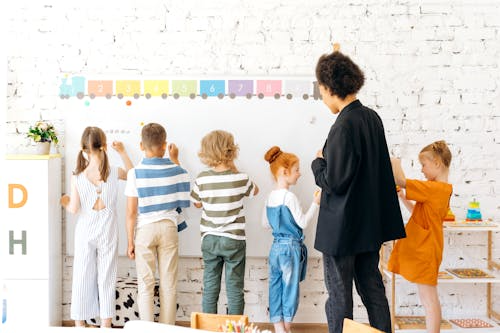
Children spend many hours in early learning settings. This gives educators the opportunity to support development in practical and meaningful ways.
Supporting Routine and Structure
Educators provide predictable daily routines. Mealtimes, group activities, rest and play all follow a familiar rhythm. This structure helps children understand time, transitions and expectations, contributing to a calm and organised day.
Guiding Behaviour Through Respect
Instead of punishment or raised voices, caring educators use gentle redirection and clear communication. Children are guided to make good choices, develop empathy and take responsibility for their actions in a supportive environment.
Understanding Developmental Stages
The role of caring educators in early childhood development includes recognising the different stages of growth and responding appropriately to each child’s needs.
Observing and Responding
Educators observe children closely to understand their interests, challenges and progress. These observations guide planning and allow educators to tailor learning experiences that suit each child.
Supporting Individual Progress
Not all children develop at the same pace. Educators who are patient and responsive help children work through delays or advanced skills without pressure or comparison.
Encouraging Communication and Language
Language is one of the most powerful tools for thinking, expression and social connection. Educators play a key part in developing this skill from the earliest age.
Talking with Purpose
Caring educators engage in meaningful conversations with children. Whether narrating an activity, asking open-ended questions, or responding to a story, these daily interactions build vocabulary and comprehension.
Supporting Literacy Foundations
Educators introduce books, songs, rhymes and storytelling to make language enjoyable. These early experiences form the basis for reading and writing and encourage a love for words.
Fostering Curiosity and Learning
Young children are naturally curious. With the support of caring educators, their questions and interests become the foundation for learning.
Creating an Engaging Environment
Educators design spaces with varied materials and activities to encourage discovery. Blocks, books, nature items, puzzles and drawing tools all support children’s thinking and imagination.
Extending Ideas Through Play
When a child builds a tower or creates a drawing, a skilled educator will ask questions, add materials or introduce vocabulary to stretch the experience further. These small moments turn play into learning.
Encouraging Creativity and Expression
The role of caring educators in early childhood development also includes making space for expression without judgement.
Providing Time and Tools
Art, music, dance, and storytelling help children express their ideas. Educators supply tools and time without insisting on outcomes, allowing the creative process to develop freely.
Valuing Each Child’s Voice
When educators listen and respond to children’s ideas, children learn that their thoughts are important. This builds confidence and helps children take pride in their creative thinking.
Promoting Wellbeing and Self-Regulation
Self-regulation is the ability to manage emotions, focus attention and control behaviour. Educators support these skills through consistent routines and calm, respectful responses.
Naming Emotions and Supporting Responses
When a child is upset or frustrated, a caring educator helps them name the feeling and find a way to cope. This guidance helps children understand their emotions and respond in socially acceptable ways.
Modelling Calm Behaviour
Children learn how to react by watching adults. Educators who remain calm and respectful during challenges show children how to handle emotions without shouting or aggression.
Building Confidence and Resilience
Confidence grows when children try new things and feel supported in doing so. Resilience develops when children face challenges with guidance rather than avoidance.
Celebrating Effort Over Outcome
Educators praise persistence, problem-solving and attempts rather than only results. This helps children learn that mistakes are part of learning and that effort is valuable.
Allowing Risk and Independence
Climbing, balancing, and making choices help children develop physical confidence and decision-making skills. Educators supervise and support, rather than intervene too quickly, allowing children to build self-trust.
Supporting Cultural Identity and Inclusion
Caring educators respect and value each child’s background. This strengthens identity and helps all children feel they belong.
Including Family Culture in Learning
Educators invite families to share songs, stories, traditions or languages. These contributions help children see their culture reflected in the learning environment.
Teaching Respect for Differences
Discussions, books and activities that highlight diversity help children understand and appreciate different ways of life. This builds empathy and social understanding.
Working in Partnership with Families
The role of caring educators in early childhood development extends beyond the classroom. Strong partnerships with families create a more complete support system for children.
Sharing Observations and Updates
Daily conversations, learning journals and parent meetings help families stay informed about their child’s progress. This builds trust and allows shared goals to be developed.
Listening to Family Insights
Families know their child best. Educators who listen to parents and carers gain valuable insights that can guide teaching and support.
Extending Learning Beyond the Classroom
The role of caring educators in early childhood development also includes helping children connect what they learn in care with the wider world. These educators guide children to apply new skills, ideas and values to real-life situations.
Encouraging Everyday Learning
Caring educators help children see learning opportunities in daily experiences—like measuring ingredients during cooking, observing bugs in the garden or listening to the sounds around them. These simple activities reinforce curiosity and support a deeper understanding of the world.
Inspiring a Lifelong Love for Learning
When children feel encouraged and supported, they begin to associate learning with enjoyment. Educators who offer praise, ask thoughtful questions and show interest in each child’s discoveries create a positive learning culture that stays with children throughout their lives. This early encouragement can shape how children view education well into their school years and beyond.
Frequently Asked Questions
How do educators help children with separation anxiety?
Caring educators build trust by greeting each child warmly, creating consistent routines and staying close when needed. Over time, most children adjust as they begin to feel safe and secure in the environment.
What if my child doesn’t talk much in care?
Some children take longer to speak in group settings. Educators use gestures, facial expressions and gentle conversation to include quieter children without pressure. Confidence builds with time and consistent support.
How do educators support children with different needs?
Educators observe and adapt based on each child’s development. They work with families, include specialists when needed, and offer individual support so all children can participate and progress.
Conclusion
The role of caring educators in early childhood development reaches far beyond teaching letters or numbers. It is about nurturing the whole child—emotionally, socially, physically and intellectually. In high-quality settings such as Glenorie preschool, educators provide steady guidance, empathy and respect.
Their daily influence helps children grow with confidence, curiosity and kindness. When educators care deeply, children thrive.