

Modern construction continues to evolve toward materials and systems that deliver strength, efficiency, sustainability, and design flexibility. Among the most significant advancements in structural building systems is lightweight steel framing, a method that combines precision engineering with durable materials to create high-performance structures.
As more residential, commercial, and modular projects adopt this approach, one common question arises: What is light metal framing? This comprehensive guide explores Lightweight Steel Framing in detail, explaining its composition, design principles, structural benefits, installation process, and long-term performance.
It also clarifies what light metal framing means, how it differs from traditional structural steel, and why it has become an increasingly popular solution in modern construction. By understanding the fundamentals of lightweight steel framing, builders, architects, engineers, and property developers can make informed decisions about whether this system is the right fit for their next project.
Understanding Lightweight Steel Framing
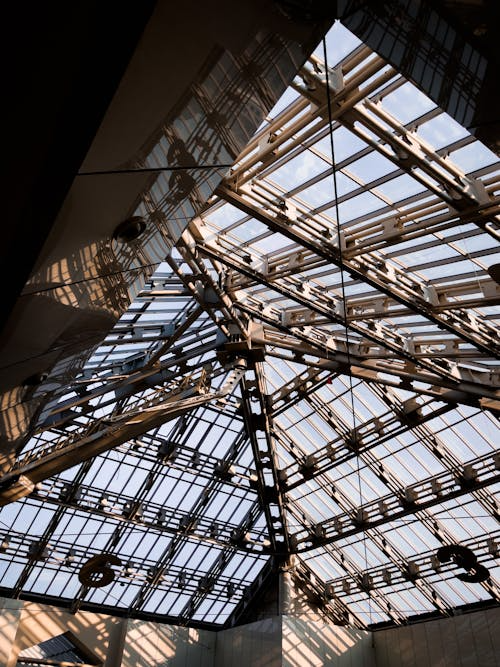
Lightweight steel framing, often referred to as light gauge steel framing or light metal framing, is a construction system that uses cold-formed steel sections to create the structural framework of a building. These steel components are thinner and lighter than traditional hot-rolled structural steel, yet they maintain significant strength and durability.
Light metal framing involves shaping thin steel sheets into structural members such as studs, tracks, joists, and rafters. These members are typically formed through a cold-forming process, where steel sheets are bent into specific profiles at room temperature.
Unlike heavy structural steel beams used in high-rise buildings and industrial facilities, lightweight steel framing is commonly used in low-rise residential, commercial, and modular construction projects.
What Is Light Metal Framing?
Light metal framing refers to a building construction method that utilises thin, cold-formed steel sections as the primary structural components for walls, floors, and roofs. These steel sections are engineered to provide structural support while remaining lightweight and easy to assemble.
The term “light” does not imply weakness. Instead, it describes the reduced thickness and weight of the steel members compared to conventional hot-rolled steel. Despite being thinner, these members are designed to handle vertical loads, lateral forces, and environmental stresses.
Light metal framing systems are widely used in housing developments, apartment complexes, schools, healthcare facilities, and commercial buildings. They offer a modern alternative to timber framing while maintaining structural reliability.
The Manufacturing Process of Lightweight Steel Components
Lightweight steel framing components are produced through a process known as cold forming. Steel sheets are fed into roll-forming machines that gradually shape them into structural profiles.
Cold-Formed Steel Technology
Cold-formed steel differs from hot-rolled steel in the way it is manufactured. Instead of heating steel to high temperatures and shaping it while molten, cold forming shapes steel at room temperature. This process increases strength through strain hardening and allows precise control of dimensions. Common cold-formed steel shapes include C-sections for studs, U-sections for tracks, and Z-sections for purlins.
Precision Engineering and Automation
Modern roll-forming machines operate with computerised controls, ensuring consistent dimensions and high-quality production. Precision manufacturing reduces material waste and simplifies on-site installation. Prefabrication further enhances efficiency. Wall panels and roof trusses can be assembled in controlled factory environments and transported to the construction site.
Structural Properties of Lightweight Steel Framing
Despite its thin profile, lightweight steel framing provides impressive structural performance.
Strength-to-Weight Efficiency
Cold-formed steel offers a high strength-to-weight ratio. This means that relatively light members can carry substantial loads. The optimised shape of each section contributes to structural capacity without unnecessary mass.
Load Distribution and Stability
Light metal framing systems distribute loads through interconnected studs, tracks, and bracing elements. Properly designed systems resist vertical loads from floors and roofs, as well as lateral loads caused by wind or seismic activity.
Ductility and Seismic Performance
Steel’s inherent ductility allows it to absorb and dissipate energy during earthquakes. Lightweight steel framing systems can be engineered to meet stringent seismic standards.
Advantages of Lightweight Steel Framing
Lightweight steel framing offers numerous benefits that make it attractive for modern construction projects.
Dimensional Stability
Unlike timber, steel does not warp, shrink, twist, or expand due to moisture. This dimensional stability ensures straight walls and consistent structural alignment over time.
Resistance to Termites and Pests
Steel is not susceptible to termite damage or wood-boring insects. This eliminates one of the common maintenance concerns associated with timber framing.
Fire Resistance
Steel is non-combustible. While high temperatures can affect structural strength, steel does not contribute to fire spread in the way combustible materials do.
Reduced Construction Time
Prefabricated steel framing components can be quickly assembled on-site. Reduced labour requirements and faster installation contribute to shorter project timelines.
Sustainability
Steel is fully recyclable and often contains recycled content. Lightweight steel framing also reduces material waste due to precise manufacturing.
Comparison Between Lightweight Steel Framing and Timber Framing
When comparing light metal framing to timber framing, several key differences emerge. Timber is a natural material that can be affected by moisture, insects, and rot. Steel framing eliminates these vulnerabilities. Additionally, steel offers consistent quality, whereas timber properties can vary depending on grain and moisture content.
From a structural perspective, steel provides higher strength per unit weight. This allows for thinner wall profiles and more usable interior space. However, timber may be preferred in certain applications due to familiarity, initial cost considerations, or local building practices.
Lightweight Steel Framing Versus Structural Steel
It is important to distinguish lightweight steel framing from heavy structural steel construction. Structural steel uses hot-rolled beams and columns designed for high-rise buildings, bridges, and industrial facilities. These components are much thicker and heavier than cold-formed steel sections.
Lightweight steel framing is typically used for low-rise and mid-rise buildings, offering a cost-effective and efficient alternative for many projects.
Applications of Light Metal Framing
Lightweight steel framing is widely used in various construction sectors.
Residential Housing
Single-family homes, townhouses, and multi-family residential developments often utilise steel framing for walls, floors, and roofs.
Commercial Buildings
Office buildings, retail spaces, and educational facilities benefit from the speed and precision of steel framing systems.
Modular and Prefabricated Construction
Light metal framing integrates seamlessly with modular construction methods. Prefabricated modules can be manufactured off-site and assembled quickly on-site.
Renovation and Extensions
Steel framing is lightweight enough to be used in building extensions without significantly increasing foundation loads.
Installation Process of Lightweight Steel Framing
The installation process begins with laying out the floor track system according to the structural design. Vertical studs are inserted into tracks and secured with screws or mechanical fasteners.
Floor joists and roof trusses are installed to complete the structural framework. Sheathing and cladding materials are then attached to the steel frame. The use of mechanical fasteners simplifies assembly and allows adjustments during installation.
Thermal and Acoustic Considerations
Steel is a conductor of heat, which means proper insulation design is essential. Thermal breaks and high-performance insulation systems help reduce heat transfer. Acoustic performance can be enhanced through insulation materials and resilient channel systems. With appropriate detailing, lightweight steel framing can meet modern energy efficiency and sound control standards.
Durability and Maintenance
Steel framing requires minimal maintenance compared to timber. Protective coatings prevent corrosion, particularly in humid environments. Regular inspections ensure long-term structural performance. Properly maintained steel framing systems can last several decades.
Frequently Asked Questions
What is light metal framing?
Light metal framing is a construction method that uses thin, cold-formed steel sections to create structural frameworks for walls, floors, and roofs in residential and commercial buildings.
Is lightweight steel framing strong enough for houses?
Yes, lightweight steel framing is engineered to meet structural standards and can safely support residential loads, including wind and seismic forces.
Does light metal framing rust?
Steel framing components are typically coated to resist corrosion. When properly protected and maintained, they offer long-term durability.
Conclusion
Lightweight steel framing represents a modern, efficient, and durable solution for contemporary construction. By using cold-formed steel sections, light metal framing provides structural strength, dimensional stability, fire resistance, and sustainability. Understanding what light metal framing is helps clarify its role in residential, commercial, and modular building systems.
While different from heavy structural steel, lightweight framing delivers significant advantages for low-rise and mid-rise projects. As construction continues to prioritise speed, precision, and environmental responsibility, lightweight steel framing stands as a reliable and forward-thinking building solution.