

When someone passes away, families are faced with both emotional grief and the responsibility of arranging a meaningful farewell. In religious traditions such as Orthodox Christianity, funeral planning is guided by deeply rooted beliefs that shape every step taken after death.
These practices are not only about honouring the deceased but also about supporting the soul’s spiritual journey and providing comfort to the living.
In multicultural cities like Melbourne, Orthodox communities continue to follow these traditions while working alongside modern funeral services. Families often seek clarity about what happens after death, according to Orthodox teachings, especially when balancing faith with practical arrangements.
A commonly asked question is What do Orthodox do when someone dies? The answer involves a series of structured steps that begin immediately after death and continue through the funeral, burial, and memorial services. These steps are deeply spiritual and reflect beliefs about life, death, and the afterlife.
This comprehensive guide explores Orthodox Funeral Planning in detail, explaining what families do when someone dies, the meaning behind each practice, and how these traditions are carried out in modern settings. By understanding these customs, families can approach funeral planning with confidence, respect, and a sense of spiritual purpose.
Understanding Orthodox Funeral Planning
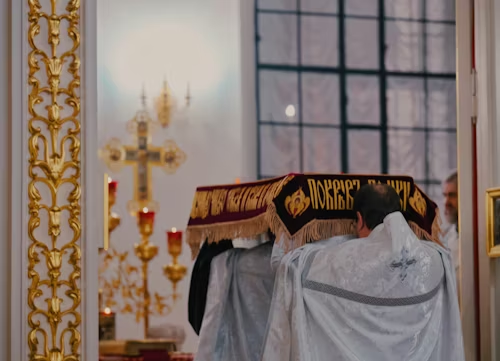
Orthodox funeral planning is rooted in faith, tradition, and community support.
Meaning and Purpose
The purpose of Orthodox funeral planning is to ensure that the deceased is honoured according to religious teachings.
It also provides a structured way for families to grieve while participating in meaningful rituals that reflect their faith.
In Melbourne, funeral planning often involves collaboration between families, priests, and funeral professionals.
Spiritual Foundation
Orthodox Christianity teaches that death is not the end but a transition.
The soul continues its journey, and prayers are offered to support it during this process.
Role of the Church
The church plays a central role in funeral planning.
Priests guide families through each step, ensuring that traditions are followed.
What Do Orthodox Do When Someone Dies
There are specific steps that are traditionally followed when someone passes away.
Immediate Actions After Death
When a person dies, the first step is to notify the church and contact a priest.
The priest may offer prayers for the departed and provide guidance on next steps.
Family members begin making arrangements for the funeral and burial.
Preparation of the Body
The body is treated with respect and care.
It is typically washed and dressed, often in simple clothing that reflects humility.
Excessive cosmetic alterations are generally avoided.
Arranging the Funeral
The funeral is usually held within a few days after death.
Families work with both the church and a funeral home to organise the service.
Holding the Funeral Service
The funeral service takes place in an Orthodox church.
It includes prayers, hymns, and scripture readings focused on the soul’s journey.
Burial
After the service, the body is taken to a cemetery for burial.
Graveside prayers are offered before the body is laid to rest.
The Role of Prayer in Orthodox Funerals
Prayer is central to Orthodox funeral practices.
Prayers for the Soul
Prayers are offered to ask for mercy and peace for the soul of the deceased.
These prayers continue beyond the day of the funeral.
Community Participation
Family, friends, and church members participate in prayers.
This collective effort reflects the importance of community support.
Ongoing Prayer
Memorial services are held on specific days after death.
These services continue the process of prayer and remembrance.
Traditional Timeline of Orthodox Funeral Practices
Orthodox traditions include a series of observances.
Third Day
The third day is associated with the resurrection of Christ.
A memorial service may be held.
Ninth Day
The ninth day is another important milestone.
Prayers are offered for the soul’s journey.
Fortieth Day
The 40th day is one of the most significant observances.
It marks an important stage in the soul’s spiritual journey.
Annual Memorials
Families often hold memorial services on the anniversary of death.
Symbolism in Orthodox Funeral Practices
Orthodox funerals are rich in symbolism.
Candles and Light
Candles represent the light of Christ and hope for eternal life.
Incense
Incense symbolises prayers rising to heaven.
Icons
Icons represent the presence of faith and spiritual connection.
The Cross
The cross symbolises resurrection and salvation.
Orthodox Funeral Planning in Melbourne
Orthodox funeral planning in Melbourne combines tradition with modern services.
Availability of Orthodox Churches
Melbourne has many Orthodox churches serving different communities.
Role of Funeral Homes
Funeral homes assist with logistics and legal requirements.
They work closely with churches to ensure that traditions are followed.
Cultural Diversity
Different Orthodox communities may have variations in customs.
Emotional and Cultural Importance
Orthodox funeral planning provides emotional and cultural support.
Supporting Grief
Structured rituals help families cope with loss.
Preserving Tradition
Following traditional practices maintains cultural identity.
Strengthening Community
Funerals bring communities together in support and remembrance.
Planning Considerations
Families should consider several factors when planning.
Timing
Funerals are typically held within a few days after death.
Religious Requirements
Certain practices must be followed according to church teachings.
Coordination
Working with both the church and funeral professionals ensures smooth arrangements.
Common Misunderstandings
There are misconceptions about Orthodox funeral planning.
All Practices Are Rigid
While traditions are important, some flexibility may exist.
Modern Adaptations Are Not Allowed
Orthodox funerals can adapt to practical needs while maintaining core beliefs.
Funeral Planning Is Only Practical
It is both a practical and spiritual process.
Frequently Asked Questions
What do Orthodox do when someone dies?
Orthodox Christians follow a series of steps, including notifying a priest, preparing the body, holding a church funeral service, and conducting a burial with ongoing memorial prayers.
How soon is an Orthodox funeral held?
Orthodox funerals are usually held within two to three days after death, depending on circumstances.
Are memorial services important in Orthodoxy?
Yes, memorial services are an essential part of Orthodox tradition and continue after the funeral to support the soul’s journey.
Conclusion
Orthodox funeral planning is a deeply meaningful process that reflects faith, tradition, and community support. From the moment of death to the final memorial services, each step is guided by spiritual beliefs that emphasise the journey of the soul and the importance of prayer.
In cities like Melbourne, these traditions continue to be practised with care and devotion. By understanding what Orthodox Christians do when someone dies, families can approach funeral planning with clarity and respect.
Through structured rituals, communal support, and ongoing remembrance, Orthodox funeral practices provide comfort and meaning during one of life’s most difficult moments. They serve as a reminder that even in loss, faith and tradition offer guidance, hope, and a lasting connection to those who have passed.