

A well-designed store layout is more than just about displaying products; it’s about creating an engaging environment that keeps customers interested, encourages them to explore, and increases their likelihood of making a purchase.
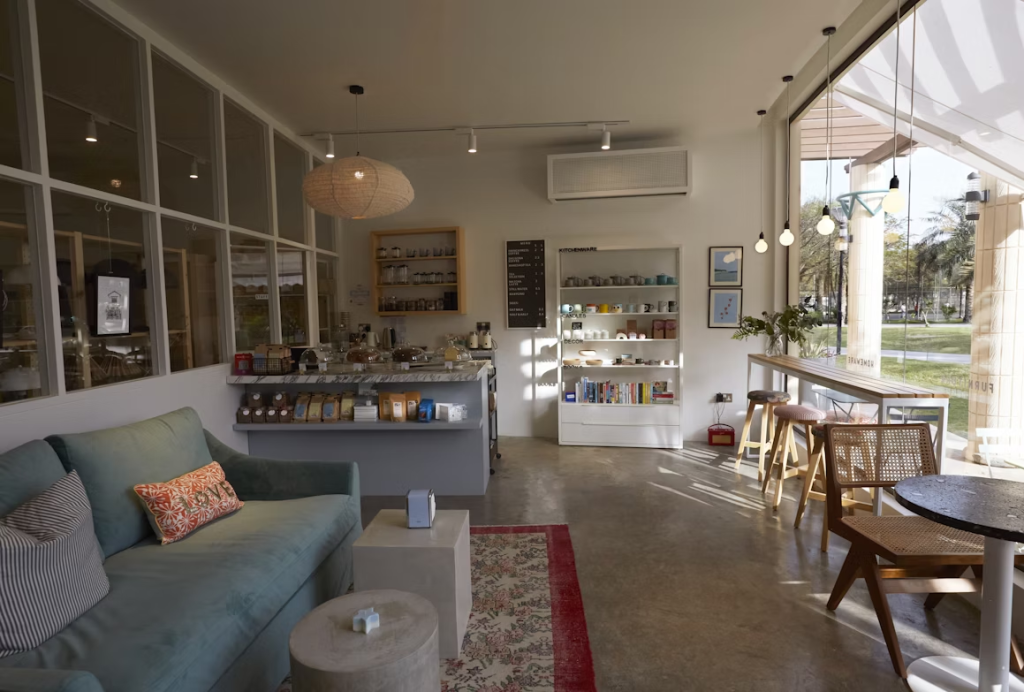
Creative store layout ideas that enhance the shopping experience can significantly boost customer satisfaction, improve foot traffic, and drive sales.
In this article, we’ll look at various store layout ideas that will transform your retail space into a welcoming and engaging environment. For further insights and details, check out this imp source.
Why Store Layout is Key to the Shopping Experience
The layout of your store is one of the most important factors that influence the shopping experience.
It’s more than just how products are placed; the layout controls how customers interact with your store, how long they spend inside, and how much they buy. A well-thought-out store design can drive sales, boost brand perception, and keep customers coming back.
The Impact of Store Layout on Sales
- Increases customer engagement: A creative and functional store layout encourages customers to spend more time browsing and interacting with products.
- Promotes impulse buying: Strategic placement of products can encourage customers to make purchases they hadn’t planned on.
- Improves navigation: A clear, intuitive layout makes it easier for customers to find what they’re looking for, improving their overall shopping experience.
Creative Store Layout Ideas for a Better Shopping Experience
There are several creative store layout ideas that can make a big difference in how your customers experience your store. Let’s take a closer look at some of the most effective ones.
1. The Grid Layout
Organising Products for Easy Navigation
- Structure and simplicity: The grid layout is one of the most commonly used layouts in retail. It involves organising products in a structured, orderly way along aisles, making it easy for customers to navigate the store.
- Best for stores with a wide range of products: This layout works well for supermarkets, pharmacies, and stores with large inventories where customers need to move quickly and find specific items easily.
Why It Works
- Predictability: Customers know exactly where to go to find what they need, which makes for a more efficient shopping experience.
- Maximises space: The grid layout allows you to utilise the entire store space efficiently, making it great for larger stores with high foot traffic.
2. The Loop Layout
Creating an Immersive Shopping Journey
- Continuous flow: The loop layout guides customers in a circular or looping path, leading them around the entire store. It’s ideal for creating a more immersive shopping experience.
- Designed for exploration: This layout is perfect for stores that want to encourage customers to explore all areas, such as department stores or boutiques.
Why It Works
- Encourages full-store exploration: Customers are guided through the entire store, which increases the likelihood they’ll visit different sections and make more purchases.
- Keeps customers engaged: The loop layout creates a sense of anticipation, as customers are led through different product categories in a smooth and enjoyable manner.
3. The Free-Flow Layout
Fostering Customer Discovery
- Open and unstructured: The free-flow layout features a more open, relaxed structure with no rigid aisles or predefined pathways. Products are placed in different areas throughout the store, allowing customers to explore the space freely.
- Best for smaller stores: This layout is ideal for stores that sell a curated selection of products, such as clothing boutiques or lifestyle stores.
Why It Works
- Encourages discovery: Customers are free to move about the store as they please, which makes them more likely to stumble upon new or unexpected items.
- Creates a personalised shopping experience: The lack of structure allows customers to shop at their own pace, fostering a relaxed and enjoyable experience.
4. The Racetrack Layout
Creating a Structured Yet Open Pathway
- Defined main aisle: The racetrack layout features a prominent central aisle that loops around the store’s perimeter, encouraging customers to explore the entire space. This layout is commonly used in larger stores and supermarkets.
- Flow management: The racetrack layout guides customers around the store, ensuring they visit key areas like promotions or seasonal items.
Why It Works
- Maximises visibility: With the main aisle circling the store, you can place high-demand or high-margin products along the edges to encourage customer engagement.
- Improves traffic flow: The central track ensures customers move throughout the store in a controlled manner, reducing congestion and improving the overall shopping experience.
5. The Boutique Layout
Personalised, Curated Shopping Experience
- Intimate feel: This layout is perfect for smaller, high-end stores. Products are often placed in curated displays or boutique-style sections to create a personal and high-touch shopping experience.
- Great for luxury or niche markets: This layout works well in stores selling bespoke or luxury products like jewellery, art, or designer clothing.
Why It Works
- Creates a unique atmosphere: A boutique layout is highly personalised, offering customers an exclusive shopping environment that makes them feel special.
- Encourages high-quality engagement: Because the layout is designed to showcase fewer, more curated products, customers are more likely to engage deeply with what’s on offer.
6. The Island Layout
Maximising Visibility and Engagement
- Central product displays: The island layout places product displays in the middle of the store, surrounded by customer pathways. This layout works well in spaces where high visibility is essential, such as seasonal product promotions.
- Best for featured or promotional items: This layout draws attention to specific products or collections by creating a centrepiece display.
Why It Works
- Increases product visibility: By placing products in the centre of the store, you create a focal point that’s easy for customers to spot and engage with.
- Encourages circulation: This layout ensures that customers have to walk around the displays, giving them the opportunity to interact with various products as they move through the store.
7. Interactive and Experience-Focused Layouts
Creating Immersive Product Interactions
- Hands-on displays: If your store sells products that benefit from physical interaction, such as technology or beauty products, an interactive layout can enhance the shopping experience. This may include demo stations, sample areas, or product testing zones.
- Experience-driven: This layout is ideal for creating an environment where customers can try products, engage with the brand, and receive demonstrations.
Why It Works
- Increases customer engagement: Interactive experiences make shopping more fun and memorable, encouraging longer visits and higher sales.
- Provides product education: Customers are more likely to make a purchase when they can interact with and learn about the product in person.
8. Clear Signage and Branding
Helping Customers Navigate the Store
- Signage design: Clear, easy-to-read signs are essential for guiding customers through your store. Place directional signs near entrances and in key areas like restrooms, fitting rooms, or promotional sections.
- Brand consistency: Make sure your signage, store design, and displays are aligned with your overall brand image. Consistent branding enhances customer recognition and reinforces your store’s identity.
Why It Works
- Reduces confusion: Effective signage helps customers navigate the store quickly and easily, improving the overall shopping experience.
- Reinforces brand identity: Consistent branding through signage and layout creates a cohesive and professional environment that appeals to your target audience.
Tips for Maximising Your Store Layout
To make the most out of your store layout, here are some additional tips:
1. Regularly Update Your Store Layout
- Keep things fresh: Rotating your store layout and product displays keeps your store feeling new and exciting. Regular updates can attract repeat customers and maintain interest in your store.
2. Understand Your Customer Demographics
- Tailor your layout to your audience: Consider your customers’ preferences and needs. For example, a children’s toy store will benefit from a layout designed for easy exploration, while a high-end jewellery store may need a more curated, quiet space.
3. Use Technology to Enhance Layout
- Interactive screens: Incorporating touchscreens or digital signage can engage customers and provide real-time information about products, sales, or promotions.
- Online integration: Consider integrating your in-store layout with your online store. This could involve QR codes on displays that link to more product details or exclusive online promotions.
Conclusion
Creative store layout ideas that enhance the shopping experience play a pivotal role in driving foot traffic and boosting sales.
Whether it’s through thoughtful product placement, engaging displays, or providing an immersive experience, a well-planned layout can turn casual visitors into loyal customers.
By incorporating some of these strategies and adapting them to your store’s unique needs, you can create a space that both attracts and retains customers.
Frequently Asked Questions
How do I know which store layout is best for my business?
The ideal store layout depends on your store type, target customers, and available space. For high-foot-traffic areas, layouts like grid or racetrack work well. For boutique or niche businesses, free-flow or boutique layouts may be more effective.
How often should I update my store layout?
You should update your store layout at least once a year, but more frequent updates may be necessary for seasonal changes, new product lines, or promotional periods.
How does store layout influence buying behaviour?
Store layout influences the customer journey by encouraging exploration and product interaction. By guiding customers through specific pathways and showcasing high-margin products in prime areas, you can encourage impulse buying and increase sales.