

A carport does more than protect your vehicle from the weather—it becomes a functional part of your home’s design and value. The success of any carport project depends heavily on the frame. Whether you’re looking for a free-standing build or attaching to an existing structure, understanding the pros and cons of timber and steel is key.
From classic homes to modern builds, the carport frame should match your house in both style and durability. While homeowners often focus on roofing and style, the core structure plays a larger role than many realise. Some even integrate it with outdoor areas and adjacent features like decking or verandah flooring options, making structural harmony a priority.
Let’s explore everything you need to know when asking the question: Timber or steel? Choosing the right frame for your carport.
Understanding Structural Needs
Match Your Carport to Its Purpose
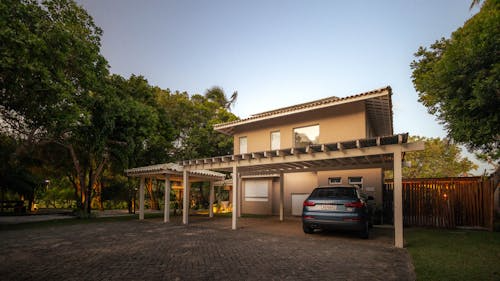
Choosing a frame starts with the function. Is the carport for a single car, or multiple vehicles? Will it serve as a shaded area for guests or include storage space? The more ambitious the design, the more demand you place on the frame’s performance.
A larger span or heavier roofing material can guide you toward one framing material over another. Timber and steel each handle load, movement, and exposure differently.
Location and Exposure Considerations
Local weather plays a big part in material selection. In areas with heavy rainfall, high wind exposure, or coastal salt air, your frame choice must withstand the environment without degrading too quickly.
Shaded sites may promote timber longevity, while open or exposed areas often favour steel for resistance against moisture and heat-related expansion.
Timber Framing: Natural Look, Classic Choice
Benefits of Timber Frames
Timber frames have long been favoured in Australian construction for their warm appearance and design flexibility. They suit period homes and traditional verandah flooring options where continuity of style matters.
Timber is also easy to work with on-site. It can be cut and adjusted without needing specialised equipment. For custom builds, this provides flexibility during construction.
Limitations and Long-Term Maintenance
While timber is strong, it requires more maintenance over time. Regular painting, sealing or staining protects it from water absorption, pests, and UV breakdown.
Poorly treated timber in contact with the ground is prone to rot. Using galvanised brackets and raising posts off the slab helps mitigate this risk. Even then, long-term exposure without upkeep may reduce its life span.
Common Timber Types Used
Treated pine is commonly used for its affordability and resistance to termites when treated correctly. Hardwoods like ironbark or spotted gum provide stronger, longer-lasting options but are more expensive and heavier to install.
Steel Framing: Strength and Low Maintenance
Advantages of Steel Carport Frames
Steel provides a modern look, clean lines, and reliable strength. It’s often chosen for contemporary homes where minimalism and efficiency are design priorities.
Prefabricated steel frames can reduce build time and ensure consistency across large structures. Unlike timber, steel does not warp, shrink or split with temperature changes.
Steel is also non-combustible, making it a safer choice in bushfire-prone regions.
Maintenance and Corrosion Resistance
Galvanised steel is coated to prevent rust, even in wet environments. Powder-coated steel adds another level of protection and colour variety. In coastal regions, additional corrosion-resistant treatments may be required.
Maintenance is limited to occasional washing to remove dirt or salt. Repainting may be needed after a decade or more, depending on exposure.
Steel Frame Limitations
Steel can be harder to modify once installed. Custom cutting requires specialist tools. On uneven ground, installation may be more time-consuming than with timber, which can be adjusted more easily on-site.
Design Style and Aesthetic Impact
Blending with Your Home’s Architecture
A timber frame carport integrates well with homes that feature natural materials, gabled roofing, or colonial-style trims. This makes timber ideal for traditional homes, especially when matched to similar verandah posts or verandah flooring options.
Steel, on the other hand, fits modern builds, townhouses, or minimalist exteriors. Its clean appearance can be made visually softer by using wood-look powder coats or mixing with timber cladding.
Customisation Options
Both materials offer design flexibility, but timber lends itself better to intricate detailing and traditional styling. Carvings, mouldings, or exposed rafters are easier to execute with timber.
Steel allows larger spans with fewer posts, which is ideal for double carports or open-sided layouts. Curved or arched styles are more achievable with fabricated steel.
Cost Comparison and Budget Planning
Upfront Material and Installation Costs
Timber can initially be more affordable, especially when using treated pine. However, hardwoods increase material cost and labour due to weight and handling.
Steel may cost more upfront, particularly for custom powder-coated or prefabricated options, but this is often offset by faster installation and reduced long-term upkeep.
Ongoing Maintenance and Replacement
Timber requires sealing, staining or painting every few years. Left untreated, it may need replacing in sections due to rot or insect damage.
Steel structures generally have lower maintenance costs. Surface rust, when treated early, is rarely structural. Coated surfaces can last decades with little intervention.
Durability and Lifespan
Environmental Resistance
Steel outperforms timber when it comes to resisting termites, fire, and extreme weather. Its non-organic composition means it doesn’t host pests and won’t burn.
Timber performs well in protected environments but struggles in areas of high humidity, ground moisture, or poor airflow unless it’s properly treated and maintained.
Structural Longevity
With consistent maintenance, timber frames can last decades. However, steel often has a longer life span with fewer issues. When galvanised and powder-coated, steel resists the elements with minimal degradation over time.
Combining Timber and Steel
Hybrid Designs for Function and Appearance
Some homeowners choose to blend the two materials. Steel provides the core frame, while timber offers aesthetic touches such as cladding, screening or trim.
This mix offers strength without losing warmth. It also helps balance costs—steel where it matters structurally, and timber for features that define the look and feel.
Practical Integration into Outdoor Living Zones
Carports are often located near verandahs, decks or alfresco areas. Matching frame materials and finishes between carport posts and verandah flooring options creates a unified appearance and increases overall curb appeal.
Choosing one material for strength and another for styling delivers a functional and attractive result.
Frequently Asked Questions
Which frame lasts longer, timber or steel?
Steel generally has a longer lifespan due to its resistance to pests, moisture, and fire. Properly treated timber can also last decades, but requires more frequent maintenance.
Is timber cheaper than steel for a carport frame?
Timber may be cheaper upfront, particularly treated pine. However, ongoing maintenance like painting and sealing can increase long-term costs. Steel has a higher starting cost but usually costs less to maintain.
Can I mix timber and steel in one carport design?
Yes, combining both materials is common. Steel can be used for strength while timber adds style and warmth. This approach suits modern homes that value performance without sacrificing appearance.
Conclusion
Deciding between timber and steel for your carport frame involves weighing aesthetics, climate, usage, and budget. There is no one-size-fits-all solution—but by considering how the structure will perform over time, you can make a confident, informed choice.
If you prefer the natural look and are ready to commit to maintenance, timber brings timeless character. If strength, fire resistance, and low maintenance appeal to you, steel may be the more practical option. Hybrid designs offer the best of both worlds.
A well-designed carport does more than protect your vehicle—it contributes to your home’s value and everyday function. Whether you match it to your fencing, connect it with your deck, or link it to verandah flooring options, selecting the right frame material helps ensure it’s built to last—and built to suit your lifestyle.