

Starting a sheet metal project requires more than submitting a drawing and requesting a quote. Whether it’s for construction, HVAC, manufacturing, or aluminium fabrication, a well-prepared checklist helps prevent production issues, delays, and cost blowouts.
Before giving the green light, understanding how the process works, what information the fabricator needs, and how your project goals align with capabilities is vital. Sheet metal jobs can range from straightforward brackets to complex enclosures, but the approach remains the same—clear specifications, effective communication, and precise planning.
This article walks through the essential checklist before commissioning a sheet metal fabrication job, covering everything from material choice to quality control.
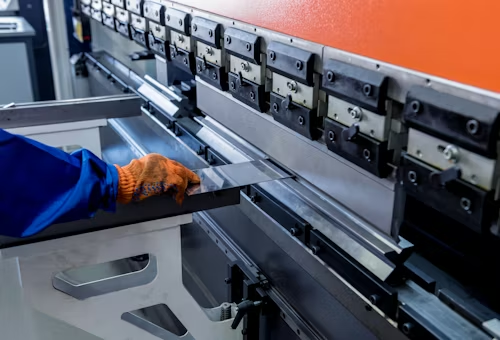
Define Your Project Requirements
Clarify the End-Use of the Product
Every job starts with understanding how the finished part will be used. If it’s for outdoor use, corrosion resistance will be key. If it’s going into a high-heat environment, thermal expansion must be considered. Application influences every decision, from material selection to finishing process.
Identify Performance Requirements
Is the part structural or decorative? Will it carry weight, be exposed to chemicals, or experience frequent handling? These details help fabricators suggest the right material and cutting methods to match performance expectations.
Select the Right Material
Match Material to Application
Sheet metal fabrication isn’t limited to one material. Stainless steel, galvanised steel, mild steel, copper, and aluminium are all common choices. For light, corrosion-resistant components, aluminium fabrication is often preferred.
Different grades of each metal are available, each offering distinct properties. For example, 304 stainless steel is widely used for general-purpose applications, while 316 offers better resistance to saltwater.
Confirm Thickness and Tolerances
The thickness of the sheet metal will impact cost, weight, and how it behaves during bending and welding. Tolerance requirements also need to be defined. Overly tight tolerances drive up cost without adding much benefit unless they’re necessary for function.
Prepare Complete and Accurate Drawings
Provide 2D and 3D Files
Fabricators typically require both 2D technical drawings and 3D models. The 2D file outlines dimensions, tolerances, and special notes. The 3D model helps identify features like holes, bends, and cut-outs that may not be obvious in flat views.
Preferred formats include DXF or DWG for 2D files and STEP or IGES for 3D models. Providing both ensures accurate quoting and fewer issues during production.
Indicate Bend Allowances and Radii
For parts requiring folding or forming, bend allowances must be included. These adjust the flat pattern to account for material deformation during bending. If not specified, the fabricator may use standard values, which could affect final fit.
Understand Manufacturing Capabilities
Align Design with Equipment
Not all fabricators have the same machinery. Some focus on laser cutting, others on turret punching or CNC press brakes. Designing a part that suits the available equipment avoids production delays.
Discuss features like hole sizes, corner radii, and tab widths to ensure compatibility with cutting tools. For instance, very small holes in thick aluminium may cause burring or require secondary operations.
Check for Special Processes
Does the part require welding, surface finishing, or assembly? Not all shops offer these in-house. Knowing what the fabricator can handle—and what will be outsourced—affects lead time and logistics.
Confirm the Finishing Requirements
Identify Protective Coatings
Sheet metal can be left raw or finished with powder coating, anodising, or plating. These finishes improve corrosion resistance and appearance. The selected method should suit the application. For aluminium fabrication, anodising is commonly used to enhance surface hardness and colour.
Specify the finish type, thickness, and colour code if applicable. Also, mention any surface prep required before finishing.
Plan for Laser Oxide Removal
Laser cutting can leave a heat-affected zone or oxide layer, which may interfere with painting or welding. If finishing is required, oxide removal or passivation may need to be added as a step.
Address Assembly and Hardware Details
Include Fastener and Insert Specifications
Parts requiring rivets, threaded inserts, or captive fasteners should have mounting points defined in the drawing. Include part numbers and installation method—whether it’s press-fit, weld, or clinch-style.
Clear instructions avoid mistakes that lead to misaligned hardware or delays during assembly.
Consider Tolerances for Mating Parts
If your part connects to other components, ensure tolerances allow for easy assembly without gaps or interference. Holes, slots, and tabs should account for both fabrication and fit-up variation.
Establish Delivery Timeline
Define Project Milestones
Set expectations for prototype approval, first article inspection, production, and delivery. If deadlines are tight, communicate this early. Lead times vary depending on the shop’s workload and the complexity of your design.
Consider how long it will take to review samples or make design changes before committing to full production.
Account for Post-Fabrication Processes
Heat treatment, finishing, packaging, and shipping all add time. A realistic timeline includes these steps, especially if multiple subcontractors are involved.
Request Quotation with Detail
Supply Complete Information
To get an accurate quote, include all relevant files, specifications, quantities, and special notes. Missing information leads to conservative estimates or re-quotes, which waste time.
Clarify if the project is a one-off, short-run, or long-term production. Volume affects pricing, especially with tooling and setup costs.
Compare Like-for-Like
If getting quotes from multiple vendors, ensure they are quoting the same materials, finishes, and quantities. Differences in these areas can make pricing comparisons unreliable.
Review Quality Assurance and Inspection Plans
Ask About In-Process Checks
Discuss what quality checks are carried out during fabrication. Some shops use laser scanners or coordinate measuring machines (CMMs) for critical parts. Knowing their process helps you trust the outcome.
Plan for Final Inspection Criteria
What dimensions or features will be checked before delivery? If parts require certification or compliance documents, request these upfront. For industries like defence or aerospace, this may include traceability, batch records, and compliance with standards.
Frequently Asked Questions
Is it necessary to provide both 2D and 3D files for fabrication?
Yes. 2D drawings show critical dimensions and tolerances, while 3D models provide depth, bend angles, and feature positions. Having both ensures nothing is missed and reduces the chance of errors during quoting or manufacturing.
Can I use the same design for steel and aluminium fabrication?
Not always. Steel and aluminium behave differently during bending and welding. Aluminium requires different bend radii and may need additional finishing steps. If switching materials, the design should be reviewed and adjusted.
What is the most common cause of fabrication delays?
Incomplete drawings or unclear specifications often delay jobs. Missing material grades, bend directions, or finishing requirements require clarification, which halts production. Providing clear, complete documentation is the best way to avoid delays.
Final Review Before Commissioning
Conduct a Final Design Check
Before sending your design off for fabrication, perform a last review. Check all dimensions, hole sizes, bend lines, and surface treatments. Confirm that tolerances are achievable with the selected process and material.
Hold a Pre-Production Discussion
A short meeting or call with the fabricator can clear up uncertainties and prevent misunderstandings. Use this time to align on expectations, confirm file compatibility, and agree on the project timeline.
Conclusion
Preparing a detailed brief using this essential checklist before commissioning a sheet metal fabrication job ensures your project gets off to a strong start. Each item—from material selection to finishing—affects the final result, timeline, and cost. Taking time to address these factors improves communication with the fabricator and reduces the risk of misalignment.
Whether you’re planning stainless brackets, HVAC panels, or working with aluminium fabrication, being thorough from the beginning pays off. A well-prepared checklist leads to cleaner fabrication, fewer design changes, and smoother delivery—hallmarks of a successful sheet metal job.