

Starting your musical journey can be both exciting and overwhelming. With so many options available, choosing the right instrument is an important step that sets the tone for how enjoyable and successful your learning experience will be.
Whether you’re interested in strings, woodwind, brass, percussion, or even vocal development, finding a match for your interests and goals matters. If you’re thinking about singing, understanding the different types of singing voices can also help guide your direction.
Understanding Your Interests and Motivation
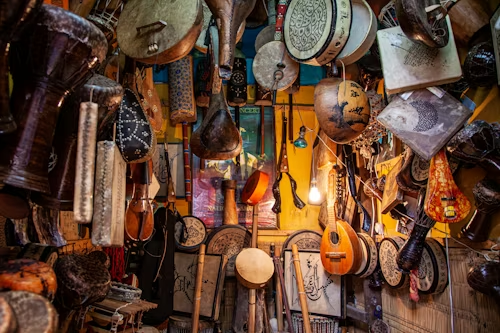
Before selecting an instrument, it helps to understand your personal interest and motivation. These factors can influence how committed you remain once learning begins.
What Draws You to Music?
Ask yourself what excites you about music. Do you enjoy the sound of the guitar, or are you more fascinated by orchestras? Some people prefer melody, while others enjoy rhythm. Identifying the type of music you enjoy most can help narrow your choices.
Consider Long-Term Enjoyment
The right instrument is one that you’ll enjoy learning over time. Choose something that fits your taste, not just what’s popular. This ensures you’ll stay motivated through the early learning stages.
Matching the Instrument to Your Personality
Each instrument has qualities that appeal to different personalities and learning styles. Finding one that suits you can improve your experience.
Outgoing or Reserved?
Some instruments lend themselves to solo performance, while others are better suited to group settings. If you enjoy social environments, you may prefer instruments used in bands or ensembles. Those who like quieter, individual practice may enjoy piano or violin.
Hands-On or Theoretical Thinker?
If you’re hands-on and like rhythm, percussion may suit you. If you enjoy patterns and thinking in steps, a keyboard instrument may be a better match. Every instrument requires thought, but your natural tendencies can shape what feels right.
Physical Factors and Comfort
Comfort is important when learning an instrument. If playing causes strain or discomfort, it can make practice difficult and affect progress.
Age and Size Matter
Younger learners often need smaller instruments. A full-size guitar may not suit a seven-year-old, while a soprano recorder is much easier to handle. Adults also need to consider finger length, strength, and posture when choosing an instrument.
Posture and Position
Some instruments require standing, others sitting. Playing the drums involves physical movement, while flute players must develop correct breathing posture. Make sure you’re comfortable with the position your instrument demands.
Accessibility and Cost
Some instruments are more affordable or accessible than others. This can impact your decision, especially when starting out.
Instrument Price and Maintenance
Beginner violins, guitars, and keyboards are often available at a reasonable price. Instruments like the oboe or cello may cost more upfront and may require additional maintenance, such as regular tuning or reed replacement.
Availability of Teachers and Resources
It’s easier to learn when you have access to quality instruction. Popular instruments like piano and guitar usually offer a wide range of teachers and online resources. If you’re choosing something less common, make sure support is available in your area.
Sound and Musical Style
The sound of your instrument should align with the music you want to play. If you enjoy classical music, a string instrument may suit you. For jazz, you might consider saxophone or drums. Your choice should match your listening habits.
What Kind of Music Do You Want to Play?
Some instruments are more versatile across genres. The piano is used in classical, jazz, pop, and rock. The violin shines in orchestras but also features in folk and contemporary music. Think about where you’d like to see yourself playing.
Individual Sound Preferences
The tone and texture of an instrument can deeply influence your connection to it. Some people are drawn to deep, mellow tones like the cello, while others prefer bright, sharp sounds like the trumpet. Listen to a variety of instruments to discover what appeals to your ear.
Time Commitment and Learning Curve
Different instruments require different amounts of time and effort to master. Understanding this helps you set realistic expectations.
Beginner-Friendly Instruments
Some instruments have a gentler learning curve. The ukulele, recorder, and digital piano are often recommended for beginners due to their simple layout and ease of producing sound.
Instruments That Take Time
Instruments like violin, French horn, or oboe require more precision and control. This doesn’t mean they’re less enjoyable, but they may need more patience in the early stages.
Group Play or Solo Focus
Consider whether you want to play with others or focus on solo performance. Your instrument choice can support both preferences.
Playing in Bands or Ensembles
Brass and woodwind instruments are commonly used in school bands and community groups. Joining such groups offers opportunities to meet others and improve through collaboration.
Solo Performers
If you’re more interested in performing solo pieces, piano, classical guitar, or singing may be better suited. These instruments often provide a full musical experience without accompaniment.
Trying Before You Commit
Whenever possible, test an instrument before purchasing. Hands-on experience helps confirm your interest and comfort.
Borrow or Rent First
Many music shops offer rental options. Renting allows you to try an instrument for a few months without a large investment. This can help avoid the mistake of buying something that isn’t a good fit.
Trial Lessons
Taking a few beginner lessons gives you a clearer picture of what learning that instrument involves. Teachers often provide valuable insight into whether an instrument matches your goals and strengths.
Consider Vocal Training
Your voice is an instrument too. For those who enjoy singing, learning about the types of singing voices can guide vocal development. From soprano to bass, understanding your vocal range can help you select appropriate material and techniques.
Voice as a Starting Point
Some beginners start with singing before choosing another instrument. It builds ear training, pitch awareness, and confidence—skills that support learning any instrument later on.
Combining Voice and Instrument
Many musicians pair singing with an instrument like guitar or piano. If this interests you, consider selecting an instrument that complements your vocal style and range.
Frequently Asked Questions
Should I let my child choose their own instrument?
Yes, allowing children to participate in the decision helps build enthusiasm and ownership. Offer guidance, but let them express their preferences. This increases the likelihood they will stick with learning.
Is it better to start with an easy instrument?
Starting with a simpler instrument can help build confidence, but it’s not always necessary. If you’re passionate about an instrument with a steeper learning curve, you can still succeed with patience and the right support.
Can I switch instruments later if I don’t like the first one?
Yes, switching is always possible. Many musicians try more than one instrument before settling on a favourite. Early experiences help you learn about your musical strengths and preferences.
Conclusion
Finding the right instrument is a personal process shaped by your interests, physical comfort, goals, and musical taste. By considering these factors, you give yourself the best chance of enjoying the learning process and staying motivated. The right choice should feel natural and inspire you to practise regularly.
There’s no single best instrument for beginners, only one that fits your journey. Whether you’re drawn to strings, percussion, or want to understand the types of singing voices, the key is to start with curiosity and a willingness to learn. With thoughtful selection and regular practice, music can become a meaningful part of your life.