

Construction timelines have always played a major role in the planning and success of building projects. As demand rises for efficient, cost-effective solutions across Australia, prefabricated steel framing for faster construction has stepped forward as a practical option.
Whether the build involves residential housing, commercial developments, or mixed-use buildings, prefabrication offers time savings and consistency that traditional methods struggle to match.
In areas like Victoria, where build time is often influenced by weather and site access, preassembled steel systems offer control, reliability, and cleaner workflow. Many builders are choosing solutions such as steel wall frames Melbourne to keep projects on schedule without sacrificing structural quality or compliance with national standards.
Introduction to Prefabricated Steel Framing
What Prefabrication Means in Construction
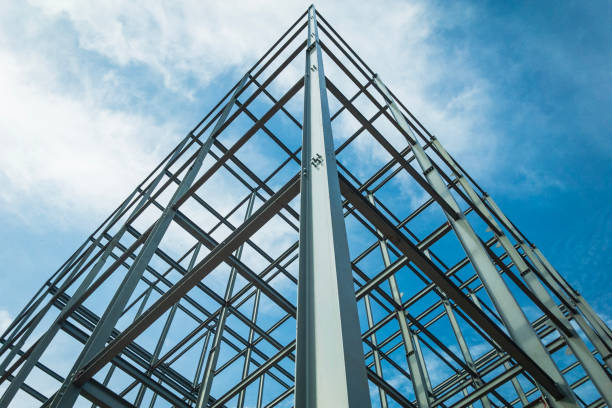
Prefabrication involves producing structural components off-site in a factory-controlled environment. These elements, which include wall panels, trusses, and floor frames, are then transported to the construction site for assembly. The process allows precise manufacturing using computer-guided tools and significantly reduces on-site labour.
Application Across Project Types
Prefabricated steel frames are used across a wide range of building projects. These include new homes, duplexes, townhouses, extensions, schools, and commercial spaces. The system is flexible enough to accommodate both standard layouts and custom architectural requirements.
Why Speed Matters in Modern Construction
Reducing Time on Site
One of the main reasons builders are turning to prefabricated systems is to shorten the on-site construction phase. With traditional methods, weather delays, subcontractor availability, and manual errors often push back deadlines. Prefabricated frames allow much of the work to be done before the slab is even poured, resulting in faster progress once the frame arrives on site.
Coordinating with Other Trades
When steel framing is delivered in labelled, sequenced panels, it becomes easier to coordinate with electricians, plumbers, and HVAC installers. Services can be planned based on digital layouts, which helps to avoid rework or structural clashes. This coordination supports a smoother handover process between trades.
Benefits of Prefabricated Steel Framing
Accuracy and Consistency
Prefabricated steel frames are produced using CAD software and roll-forming machinery. Each piece is cut, punched, and assembled to precise measurements. This level of accuracy leads to straight walls, level ceilings, and consistent spans. Finishes like cladding and plasterboard fit cleanly, reducing adjustments and waste.
Cleaner and Safer Worksites
Because components are prepared off-site, less cutting and measuring occurs on-site. This reduces dust, noise, and waste material. Crews can work more safely and efficiently without the hazards of heavy timber cutting or on-the-spot modifications.
Suitability for Remote and Urban Sites
In regional areas where skilled labour is scarce, prefabrication helps maintain build quality. In urban environments with limited access and space, compact frame deliveries reduce the need for large stockpiles of material on-site.
Engineering and Design Process
Site and Structural Assessment
Before the frame is designed, engineers review site conditions such as soil stability, wind ratings, and topography. These factors influence how the prefabricated system is engineered. For example, high wind regions may require tighter bracing and specialised connections.
Digital Modelling and Frame Planning
Designers use 3D modelling software to plan every element of the frame. This digital layout forms the basis for cutting and punching steel sections. Service points, window openings, door frames, and load paths are all included at this stage.
Fabrication and Quality Control
In the factory, roll-forming machines produce steel sections to exact lengths and specifications. Each component is checked, labelled, and bundled for transport. Quality control processes ensure that frames match the approved design before leaving the production floor.
Installation and On-Site Workflow
Preparing the Site
Once the slab or subfloor is ready, installers review the frame layout and prepare the working area. Anchor points are confirmed, and the installation sequence is planned to match the delivery schedule.
Assembling Wall Frames and Trusses
Wall panels are lifted into position and secured to the foundation or flooring system. Roof trusses are installed using cranes or lifting equipment. The assembly process follows the design layout, and any on-site adjustments are limited to final alignments and bracing.
Completing Structural Lock-Up
After the steel framing is secured, builders can quickly move into the lock-up phase. Windows, external cladding, and roofing are installed without delays caused by drying time or timber settling.
Compliance and Australian Standards
Meeting National Codes
Prefabricated steel framing systems are designed in line with Australian Standard AS/NZS 4600, which covers cold-formed steel structures. Engineering calculations account for all load types and environmental conditions. Certification is often provided as part of the engineering package.
Bushfire and Cyclone Ratings
In bushfire-prone or cyclone-exposed regions, steel frames offer added protection. They are non-combustible and maintain structural integrity under extreme conditions. Engineers detail frames to comply with BAL ratings and other local planning overlays.
Acoustic and Thermal Performance
Although steel is conductive, proper insulation and cladding choices ensure that prefabricated frames meet energy rating targets. Acoustic batts, thermal breaks, and moisture barriers are installed to support comfortable living spaces.
Suitability for Residential Construction
Custom Home Designs
Prefabricated steel framing is not limited to standard house designs. Architects can design curved walls, open-plan layouts, and multi-level homes using steel. The frame is engineered to match each design element, including ceiling heights and roof slopes.
Multi-Dwelling Developments
In townhouse projects and apartment buildings, prefabricated frames help meet tight schedules and reduce material waste. Structural steel frames also support higher density builds by allowing wider spans and greater design flexibility.
Extensions and Renovations
Prefabricated panels are useful in additions where site access is limited. Builders can assemble walls and roofs with minimal disturbance to existing structures. The lightweight nature of steel helps reduce the impact on original foundations.
Sustainability and Waste Reduction
Minimising Material Waste
With factory-based production, steel sections are cut to exact sizes. Offcuts are reused or recycled, which significantly reduces construction waste. On-site waste is also lower due to reduced packaging and unnecessary materials.
Lower Impact Construction
Steel is recyclable and reusable. Many framing systems are made from partially recycled content, contributing to sustainability targets. Because framing does not require chemical treatments or curing times, it also supports healthier build environments.
Energy Efficient Detailing
When combined with proper insulation systems and external cladding, prefabricated frames help reduce heating and cooling loads. This is essential for builders aiming to meet six-star or higher energy ratings in residential construction.
Frequently Asked Questions
Can prefabricated steel frames be used for sloped sites?
Yes, prefabricated steel systems can be engineered for uneven or sloping blocks. Raised subfloor systems, adjustable posts, and braced platforms are designed based on the site survey and geotechnical conditions.
Do steel frames require special tools for installation?
Most prefabricated steel frames can be installed using standard building tools, including drills and fasteners designed for steel. Some lifting equipment may be needed for larger components like roof trusses, especially on multi-storey builds.
How long does it take to install a prefabricated steel frame?
Installation time varies depending on the size of the project, but prefabricated systems are typically much faster than traditional timber. A single-storey home frame can often be erected in a matter of days once delivered to site.
Conclusion
The demand for faster, more efficient building methods continues to reshape the construction industry in Australia. Prefabricated steel framing for faster construction addresses this need by offering precise, consistent, and time-saving solutions. With factory-made components, predictable site workflows, and minimal material waste, prefabrication supports both short-term efficiency and long-term durability.
From suburban homes to complex multi-unit developments, steel framing brings reliability to every stage of the building process. Builders benefit from shorter construction times, better coordination between trades, and consistent quality from the ground up.
As regulatory demands increase and the pressure to complete projects grows, prefabricated steel framing is helping to redefine how construction is done across the country.