

Modern aesthetic medicine has transformed the way individuals approach skin health. No longer limited to basic facials or over-the-counter creams, today’s skin treatments combine scientific research, medical expertise, and advanced technology to deliver targeted and measurable results.
In clinics offering Melbourne skin therapies and professional skin rejuvenation services, patients often hear the term medical-grade skin treatments. This phrase suggests a higher level of care—but what does it actually mean?
Understanding medical-grade skin treatments requires examining their ingredients, technology, regulatory standards, and the qualifications of the professionals who administer them. Unlike cosmetic spa treatments, medical skin treatments are designed to penetrate deeper layers of the skin, correct underlying issues, and address conditions that go beyond surface-level concerns.
This comprehensive guide explores what Medical Skin Treatments are, how they differ from cosmetic procedures, the types of services included in this category, and why they are often considered the gold standard in advanced skin care.
Understanding the Meaning of Medical Grade Skin Treatments
Medical-grade skin treatments refer to procedures and products that are clinically formulated, scientifically tested, and typically administered or supervised by qualified medical professionals. These treatments are designed to deliver therapeutic outcomes rather than simple cosmetic enhancement.
Medical-grade treatments often involve higher concentrations of active ingredients, more advanced devices, and deeper skin penetration. They are intended to treat conditions such as acne, pigmentation disorders, rosacea, scarring, sun damage, and signs of aging at a cellular level.
The Difference Between Cosmetic and Medical Grade
Cosmetic treatments typically focus on surface-level improvement. They may improve hydration, brightness, and texture temporarily. Medical-grade treatments, however, are designed to change skin structure and function over time.
Medical-grade skincare products are formulated with active ingredients that can penetrate deeper layers of the skin, often backed by clinical trials. They are usually available only through licensed professionals.
What Are Medical Grade Skin Treatments
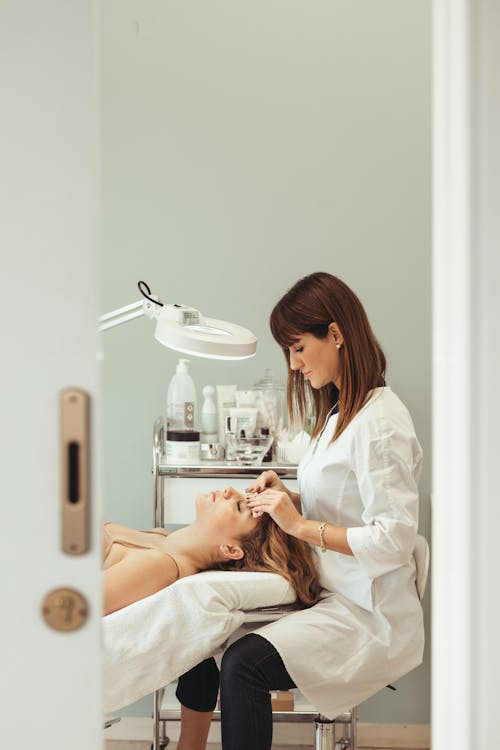
Medical-grade skin treatments are professional procedures that use scientifically validated methods to treat skin concerns at their root cause. They are performed under medical supervision and often require detailed consultation and skin assessment.
These treatments can include laser therapies, medical chemical peels, prescription-strength topical treatments, microneedling with advanced devices, radiofrequency treatments, injectable therapies, and other energy-based technologies.
The defining characteristics include deeper penetration, clinical evidence supporting effectiveness, and administration by trained professionals.
Medical Chemical Peels
Medical chemical peels use controlled concentrations of acids to exfoliate and stimulate regeneration at a deeper level than standard cosmetic peels.
How Medical Peels Work
Unlike superficial spa peels, medical peels can reach the mid-dermis depending on formulation. This allows them to effectively address deeper pigmentation, acne scarring, and fine lines. The procedure promotes collagen production and accelerates cell turnover.
Customisation and Safety
Medical peels are tailored according to skin type and condition. Proper assessment ensures safe application and minimises complications. Recovery time varies based on peel depth.
Laser and Energy-Based Treatments
Laser therapies are among the most recognized medical grade treatments.
Laser Resurfacing
Laser resurfacing removes damaged skin layers while stimulating collagen production. It can address wrinkles, scars, and pigmentation effectively. Both ablative and non-ablative lasers are considered medical grade due to their precision and depth of action.
Intense Pulsed Light (IPL)
IPL treatments target pigmentation, redness, and vascular lesions. They use light energy to correct discolouration and improve skin clarity. Medical supervision ensures appropriate energy settings and patient safety.
Radiofrequency and Ultrasound Devices
Radiofrequency and ultrasound technologies stimulate collagen by delivering controlled heat to deeper tissue layers. These treatments improve skin tightening and elasticity over time.
Microneedling with Medical Devices
Medical microneedling uses advanced devices capable of penetrating deeper than cosmetic rollers.
Enhanced Collagen Stimulation
The controlled micro-injuries stimulate collagen and elastin production more effectively than superficial treatments. Medical microneedling can also be combined with platelet-rich plasma (PRP) or specialised serums to enhance results.
Indications and Results
This treatment improves acne scars, fine lines, and texture irregularities. Multiple sessions are typically required for optimal outcomes.
Prescription-Strength Topical Treatments
Medical-grade skincare includes prescription-strength formulations.
Retinoids
Prescription retinoids accelerate cell turnover and stimulate collagen production. They are widely used to treat acne and reduce signs of aging.
Hydroquinone and Pigment Modulators
These treatments address stubborn hyperpigmentation by reducing melanin production. Medical supervision ensures proper usage and minimises side effects.
Injectable Treatments in Medical Skin Care
Injectables are often included in medical skin treatment programs.
Neuromodulators
Neuromodulators temporarily relax facial muscles to reduce dynamic wrinkles. They are administered by trained medical professionals.
Dermal Fillers
Fillers restore lost volume and improve facial contours. These treatments require anatomical knowledge and precision.
Professional Oversight and Safety Standards
A defining feature of medical-grade treatments is professional oversight.
Medical professionals assess skin conditions, review medical history, and determine appropriate treatment plans.
Proper sterilisation, device calibration, and emergency preparedness enhance patient safety.
Benefits of Medical Grade Skin Treatments
Medical treatments provide several advantages over standard cosmetic procedures.
Deeper and Longer-Lasting Results
By targeting underlying causes, medical treatments offer sustained improvement.
Evidence-Based Formulations
Products and devices used in medical settings are often supported by clinical research.
Personalised Treatment Plans
Medical professionals design tailored strategies based on individual skin needs.
Potential Risks and Considerations
Because medical treatments penetrate deeper layers, they may involve increased risk if not performed correctly. Possible side effects include redness, swelling, peeling, or temporary sensitivity. Choosing qualified practitioners minimises complications.
Maintenance and Long-Term Care
Medical skin treatments are not one-time solutions. Ongoing maintenance and supportive skincare are essential. Regular follow-up appointments ensure optimal results and allow adjustments as needed. Daily sunscreen use is critical to protect newly treated skin.
Frequently Asked Questions
Are medical-grade treatments stronger than spa treatments?
Yes. They typically contain higher concentrations of active ingredients and use advanced technologies for more significant results.
Do medical skin treatments require downtime?
Downtime varies depending on the treatment type and intensity. Some procedures involve minimal recovery, while others may require several days of healing.
Are medical-grade products better than over-the-counter products?
Medical-grade products often penetrate deeper and are supported by clinical research, making them more effective for certain concerns.
Conclusion
Medical skin treatments represent the intersection of science, technology, and professional expertise. Unlike cosmetic procedures that primarily enhance surface appearance, medical-grade treatments are designed to correct underlying skin issues at a structural and cellular level.
From advanced lasers and microneedling to prescription-strength formulations and injectables, these treatments provide targeted solutions for acne, pigmentation, aging, and more. Their effectiveness stems not only from powerful ingredients and devices but also from careful assessment and medical oversight.
Choosing medical-grade skin care is an investment in long-term skin health. With proper guidance, personalised planning, and consistent maintenance, patients can achieve meaningful and lasting improvements that extend beyond cosmetic enhancement toward genuine skin restoration.