

Ensuring the structural integrity, safety, and compliance of a property is an essential step for homeowners, investors, and developers. Building inspection services provide a systematic approach to assessing a property’s condition, identifying defects, and ensuring that construction meets regulatory and contractual standards.
These inspections are crucial for maintaining property value, protecting investments, and avoiding costly repairs in the future.
A common question often asked is: What is the checklist for building inspection? A building inspection checklist serves as a comprehensive guide for inspectors to examine all critical aspects of a property, from structural components to electrical systems and interior finishes. It ensures that no key area is overlooked and that the inspection is thorough and effective.
This blog explores the scope, process, and benefits of Building Inspection Services in detail, with a focus on the essential checklist that guides inspectors in evaluating a property comprehensively. The post also addresses best practices, common defects found during inspections, and how homeowners or buyers can use these services to make informed decisions.
Understanding Building Inspection Services
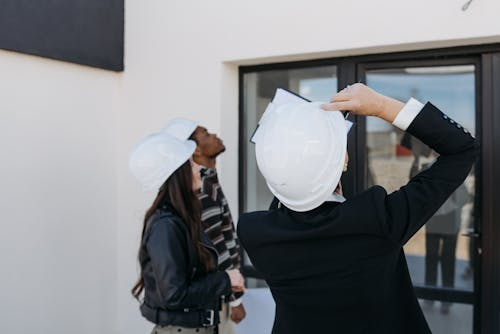
Building inspection services are professional evaluations of properties aimed at assessing their condition, structural integrity, and compliance with construction standards and regulations. They can be conducted for newly constructed buildings, properties for sale, or existing homes to identify defects and maintenance needs.
Definition of Building Inspection
A building inspection is a detailed examination of the physical structure and systems within a property. It covers structural elements, plumbing and electrical installations, roofing, flooring, internal finishes, and external features. The primary objective is to ensure that the building is safe, functional, and free from significant defects.
Purpose of Building Inspections
Building inspections protect buyers, homeowners, and investors by identifying issues that could impact safety, usability, or property value. They provide clarity on the property’s condition and help stakeholders make informed decisions regarding purchase, maintenance, or repairs.
For developers and builders, inspections verify compliance with construction plans, quality standards, and local building codes, ensuring accountability and reducing potential liability.
Who Provides Building Inspection Services
Qualified building inspectors, licensed surveyors, or structural engineers typically provide building inspection services. These professionals bring technical expertise, experience, and objectivity to the assessment, ensuring accurate and reliable inspection reports.
The Building Inspection Process
A building inspection follows a structured process designed to examine all critical components of a property thoroughly.
Preparation and Documentation
Before conducting the inspection, the inspector reviews property plans, prior maintenance records, and any existing defect reports. This preparation allows them to focus on high-risk areas and ensures the inspection covers all necessary elements.
Visual and Physical Examination
Inspectors perform a comprehensive visual and hands-on assessment of the property, including structural elements such as walls, beams, foundations, and floors. They check for cracks, water damage, settling, or signs of structural instability.
Internal finishes, such as walls, ceilings, flooring, cabinetry, and tiling, are examined for quality, alignment, and damage. Inspectors also evaluate doors, windows, and other fixtures to ensure proper installation and functionality.
Functional Testing of Systems
Building inspections include functional tests of plumbing, electrical, HVAC, and other mechanical systems. Inspectors ensure that water supply, drainage, electrical outlets, switches, and appliances work correctly and safely.
Assessment of Compliance
The inspector evaluates whether the building complies with approved plans, design specifications, and local building regulations. Non-compliance issues are documented for rectification before occupancy or purchase.
Reporting and Recommendations
The inspection concludes with a comprehensive report detailing findings, defects, and recommended actions. Photos, measurements, and descriptions accompany the report to provide clarity. This documentation serves as a reference for repairs, negotiations, or future maintenance.
Building Inspection Checklist
A building inspection checklist is an essential tool to ensure all areas of a property are evaluated thoroughly. While checklists may vary depending on property type and inspection purpose, most comprehensive inspections include the following areas:
Structural Components
Inspectors examine walls, foundations, floors, ceilings, and roof structures for cracks, water damage, or misalignment. They assess load-bearing elements to ensure structural stability and safety.
Roofing and External Features
The roof is checked for leaks, broken tiles, or poor drainage. External walls, balconies, and patios are evaluated for damage, cracks, or water penetration. Gutters and downpipes are inspected to ensure proper water management.
Plumbing Systems
Water supply, drainage, faucets, toilets, and hot water systems are tested for leaks and functionality. Inspectors check for corrosion, blockages, and compliance with standards.
Electrical Systems
Electrical panels, wiring, outlets, switches, and lighting fixtures are inspected for safety, functionality, and compliance with electrical regulations. Faulty wiring or outdated installations are noted.
Internal Finishes
Walls, ceilings, floors, cabinetry, tiling, and paint are assessed for quality, consistency, and damage. Inspectors note defects such as cracks, scratches, stains, or improper installation.
Windows and Doors
Windows and doors are checked for alignment, security, sealing, and operation. Locks, hinges, and handles are tested for proper functionality.
Safety and Compliance Features
Inspectors evaluate fire safety measures, smoke alarms, ventilation, and emergency exits. Compliance with building codes and regulations is assessed to ensure occupant safety.
Environmental and External Factors
Landscaping, drainage, paving, and external lighting are checked for functionality and compliance with planning standards. Environmental risks such as water pooling, erosion, or inadequate drainage are noted.
Common Defects Identified During Building Inspections
Building inspections often uncover a wide range of defects, from minor cosmetic issues to significant structural concerns.
Structural Issues
Cracks in walls or foundations, uneven floors, and sagging ceilings are common structural defects. Early detection allows for timely repairs and prevents further deterioration.
Water Damage and Moisture Problems
Leaking roofs, faulty plumbing, and inadequate drainage can lead to water damage, mould growth, and material deterioration. Inspectors identify these issues and recommend corrective action.
Electrical and Mechanical Failures
Faulty wiring, non-functional outlets, and malfunctioning HVAC systems are common issues. These defects pose safety risks and must be addressed before occupancy.
Poor Finishing and Workmanship
Uneven tiling, chipped paint, scratches, and misaligned cabinetry are frequently documented. While cosmetic, these issues affect property value and aesthetics.
Non-Compliance with Plans
Deviations from approved plans, incorrect dimensions, or missing features are identified and documented for correction. Compliance is critical to ensure safety and satisfaction.
Benefits of Using Professional Building Inspection Services
Engaging professional building inspection services offers several key advantages:
Investment Protection
Inspections identify defects early, protecting buyers and investors from costly repairs or structural failures.
Informed Decision Making
Detailed reports provide clear insights into property condition, enabling buyers to make informed purchasing decisions.
Negotiation Leverage
Inspection findings allow buyers to negotiate repairs, price adjustments, or warranty coverage with sellers or developers.
Peace of Mind
Knowing that a property has been thoroughly inspected ensures confidence in its safety, quality, and compliance.
Legal and Warranty Documentation
Inspection reports serve as official records for warranty claims, insurance purposes, and future maintenance planning.
Best Practices for Effective Building Inspections
To maximise the benefits of a building inspection, certain best practices should be followed:
Hire Qualified Inspectors
Engage certified professionals with experience in residential or commercial inspections for accurate and thorough assessments.
Use a Detailed Checklist
A comprehensive checklist ensures that no critical area is overlooked, from structural components to external landscaping.
Schedule Inspections Early
Conduct inspections before finalising property transactions or occupancy to allow time for rectification of defects.
Document All Findings
Maintain thorough records, including photos, measurements, and descriptions, to support repairs, negotiations, or legal purposes.
Follow Up on Repairs
Ensure that all identified defects are addressed and conduct follow-up inspections to verify corrective actions.
Frequently Asked Questions
What is the purpose of a building inspection checklist?
A checklist ensures a comprehensive evaluation of all critical property components, helping inspectors systematically identify defects and non-compliance issues.
How long does a typical building inspection take?
The duration varies depending on property size and complexity, but most inspections take between 2 and 5 hours for residential properties.
Do building inspections cover both interior and exterior areas?
Yes, comprehensive inspections evaluate structural elements, finishes, systems, and external features, including landscaping, roofing, and drainage.
Conclusion
Building inspection services are essential for ensuring property quality, safety, and compliance with construction standards. A thorough inspection, guided by a detailed checklist, identifies structural defects, system malfunctions, and non-compliance issues, protecting the investment of buyers and providing peace of mind.
By engaging qualified inspectors, documenting findings, and addressing defects promptly, stakeholders can ensure the long-term safety, functionality, and value of their property. Comprehensive building inspections are a cornerstone of responsible property ownership and a critical step in maintaining the integrity and quality of any building.