

Relocating a house—whether across town or to a new city—can quickly become one of the most expensive life events if approached without a strategy. From packing supplies and transportation to labour and timing, costs tend to accumulate in ways many people don’t anticipate. Yet, moving doesn’t have to drain your savings.
With careful planning, practical decisions, and a willingness to rethink traditional approaches, it’s entirely possible to reduce expenses without sacrificing efficiency or safety.
The cheapest way to move a house is rarely about choosing the lowest upfront price. Instead, it involves balancing cost, time, effort, and risk. Many homeowners fall into the trap of paying for convenience when more economical alternatives are available.
Others underestimate hidden costs such as fuel, temporary storage, or last-minute bookings. Understanding where money is typically spent is the first step toward minimising it.
Affordable removalists Melbourne can play a critical role in reducing overall expenses when chosen wisely, especially if they offer flexible services that align with your specific needs rather than a one-size-fits-all package.
This guide explores practical, realistic ways to move your home at the lowest possible cost while maintaining control over the process. Each section focuses on actionable insights rather than generic advice, helping you build a relocation plan that is both budget-conscious and effective.
Understanding What Drives Moving Costs
Before cutting costs, it’s essential to understand where your money actually goes during a move. Without this awareness, attempts to save may be misplaced or ineffective.
Labor and Professional Services
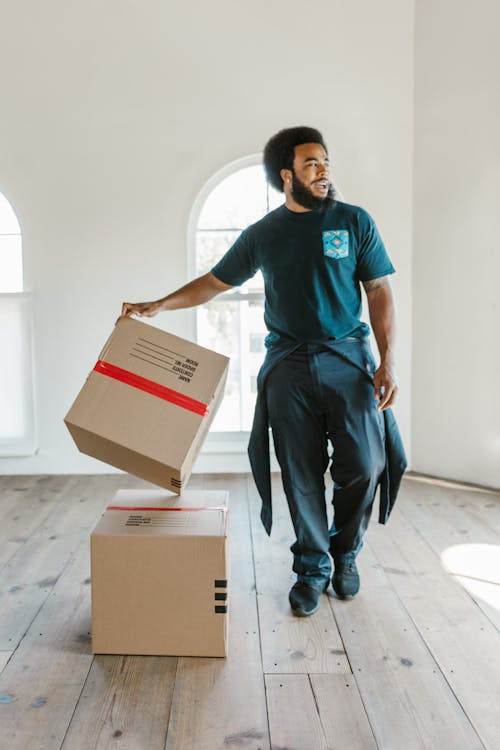
Hiring movers is often the largest expense. Full-service movers handle everything from packing to transportation and unloading, but this convenience comes at a premium. Labour costs increase based on the number of workers, hours required, and complexity of the move.
Transportation and Fuel
The distance between locations significantly impacts cost. Longer distances mean higher fuel consumption, toll fees, and potential overnight accommodations. Even local moves can become expensive if multiple trips are required.
Packing Materials
Boxes, bubble wrap, tape, and protective materials can add up quickly. Many people overlook these costs until the final stages of packing.
Timing and Demand
Moving during peak seasons—such as weekends, holidays, or summer—can drastically increase prices. Availability becomes limited, and service providers often charge higher rates.
Strategic Planning: The Foundation of a Cheap Move
Saving money on a move begins long before packing starts. Planning is the single most effective tool for reducing costs.
Book Early and Stay Flexible
Early bookings often come with better rates and more options. Flexibility with your moving date can also lead to significant savings. Mid-week and off-season moves are typically cheaper.
Declutter Before You Pack
Every item you move costs money, whether through labour, space, or fuel. Selling, donating, or discarding unused belongings reduces the volume of items and lowers transportation costs.
Create a Realistic Budget
A detailed budget helps you identify areas where you can cut costs. Include all potential expenses, even small ones like cleaning supplies or utility transfers.
Compare Multiple Quotes
Never settle for the first quote. Comparing multiple providers allows you to identify reasonable pricing and avoid overpaying for similar services.
DIY Moving vs Hiring Removalists: Finding the Balance
One of the biggest decisions affecting cost is whether to move everything yourself or hire professionals.
When DIY Is the Cheapest Option
For small moves or short distances, renting a truck and handling everything yourself is often the most economical choice. This eliminates labour costs.
Hidden Costs of DIY Moving
While DIY appears cheaper upfront, it can include unexpected expenses such as fuel, insurance, equipment rental, and physical strain. Time investment is another factor often overlooked.
Hybrid Moving Solutions
A combination approach can offer the best value. For example, you can pack your belongings yourself and hire removalists only for transportation and heavy lifting.
Choosing Cost-Effective Professionals
Not all moving companies are expensive. Some offer tailored services that allow you to pay only for what you need, making them a cost-efficient option.
Smart Packing Techniques That Save Money
Packing is more than just organising items—it’s an opportunity to significantly reduce moving costs.
Use Free or Recycled Materials
Instead of purchasing new boxes, consider sourcing them from local stores, community groups, or previous movers. Towels, blankets, and clothing can replace bubble wrap.
Pack Efficiently to Reduce Space
Maximising box space reduces the number of boxes needed and minimises transportation costs. Proper packing also prevents damage, avoiding replacement expenses.
Label Clearly to Save Time
Well-labelled boxes make unloading faster and more organised, reducing labour hours if you’re paying movers.
Avoid Last-Minute Packing
Rushed packing often leads to poor organisation and the need for additional materials, increasing costs unnecessarily.
Timing Your Move for Maximum Savings
The timing of your move can significantly influence the overall cost.
Off-Peak Seasons Are Cheaper
Moving during autumn or winter is generally more affordable than moving during summer, which is considered peak season.
Weekdays Over Weekends
Weekends are in high demand, leading to higher rates. Scheduling your move during weekdays can result in noticeable savings.
Avoid End-of-Month Rush
Many leases end at the end of the month, increasing demand for moving services. Mid-month moves are often less expensive.
Plan Around Local Events
Large events can affect traffic, availability, and pricing. Being aware of these factors helps avoid unnecessary complications and costs.
Reducing Transportation Costs Without Sacrificing Efficiency
Transportation is a major expense, but there are ways to reduce it without compromising the move.
Choose the Right Vehicle Size
Renting a truck that’s too large wastes money, while one that’s too small requires multiple trips. Selecting the correct size is essential.
Consolidate Trips
Plan your move to minimise the number of trips required. Efficient loading and route planning can reduce fuel consumption.
Share Loads When Possible
In some cases, shared moving services allow you to split transportation costs with others moving in the same direction.
Optimise Route Planning
Using the most efficient routes reduces fuel consumption and travel time, resulting in overall savings.
Negotiation and Cost-Cutting Hacks Most People Miss
Many people overlook simple strategies that can lead to significant savings.
Negotiate Service Rates
Some moving companies are open to negotiation, especially during off-peak times. Asking for discounts or bundled services can lower costs.
Avoid Unnecessary Add-Ons
Services such as unpacking, furniture assembly, or storage can increase costs. Only pay for what you truly need.
Leverage Community Resources
Friends, family, and local community groups can provide assistance, equipment, or even free materials.
Track Every Expense
Keeping track of all expenses helps you identify unnecessary spending and stay within budget.
Frequently Asked Questions
What is the absolutely cheapest way to move a house?
The cheapest way is typically a DIY move using a rented truck, combined with free packing materials and assistance from friends or family. However, this approach requires significant time and effort.
Are professional removalists ever cheaper than DIY moving?
Yes, in certain cases. For long-distance moves or when time constraints are tight, professional removalists can be more cost-effective by reducing risks, saving time, and preventing potential damage.
How can I reduce moving costs without increasing stress?
Planning, decluttering, using hybrid moving options, and choosing flexible scheduling can significantly reduce costs while maintaining a manageable workload.
Conclusion
Reducing the cost of moving a house is less about cutting corners and more about making informed, strategic decisions. Every stage of the process—from planning and packing to transportation and timing—offers opportunities to save money. The key is understanding where costs originate and addressing them with practical solutions.
Balancing effort and expense is essential. While doing everything yourself may seem like the cheapest route, it’s not always the most efficient or sustainable option. Similarly, hiring full-service movers might provide convenience but exceed your budget. The most effective approach often lies somewhere in between.
By applying the strategies outlined above, you can take control of your moving costs and create a relocation experience that is both affordable and efficient.