

Retail businesses operate in an environment where efficiency, speed, and reliability determine success. Behind every stocked shelf and timely delivery lies a complex network of processes known as the retail supply chain. This system connects suppliers, manufacturers, warehouses, retailers, and customers, ensuring that goods move seamlessly from production to purchase.
In today’s competitive market, understanding supply chain structures is essential for retailers aiming to improve performance and meet customer expectations. With increasing demand for faster delivery, better inventory management, and seamless shopping experiences, businesses must adopt supply chain strategies that align with their goals.
This guide explores the Retail Supply Chain in depth and answers a key question: What are the four types of supply chains? By examining each type and its role in retail operations, this article provides valuable insights into how businesses can build efficient, flexible, and resilient supply chains.
Understanding the Retail Supply Chain
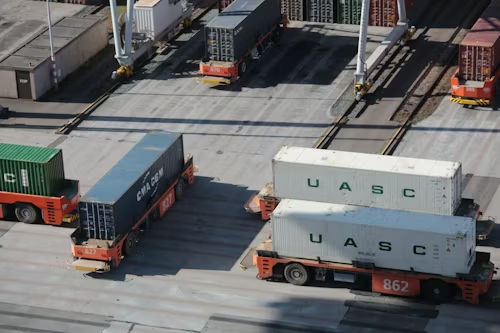
The retail supply chain refers to the entire process of producing, transporting, storing, and delivering goods to customers. It involves multiple stages and stakeholders working together to ensure that products are available at the right place and time.
The Role of Supply Chains in Retail
Supply chains are essential for maintaining product availability and meeting customer demand. They enable retailers to manage inventory, coordinate logistics, and ensure smooth operations across different channels.
A well-structured supply chain helps retailers reduce costs, improve efficiency, and enhance customer satisfaction. Conversely, inefficiencies can lead to delays, stock shortages, and lost sales.
The Evolution of Retail Supply Chains
Retail supply chains have evolved significantly over time. Traditional models focused on centralised distribution and in-store sales, while modern supply chains support e-commerce and omnichannel retail.
Advancements in technology and changes in consumer behaviour have led to more dynamic and responsive supply chains. Retailers now use data analytics, automation, and real-time tracking to optimise their operations.
Key Components of a Retail Supply Chain
A retail supply chain includes procurement, production, warehousing, transportation, and distribution. Each component plays a critical role in ensuring that goods move efficiently through the system.
Effective coordination among these components is essential for maintaining a smooth and reliable supply chain.
What Are the Four Types of Supply Chains
Supply chains can be categorised into four main types: continuous flow, fast chain, efficient chain, and agile chain. Each type is designed to meet specific business needs and market conditions.
Continuous Flow Supply Chain
The continuous flow supply chain is designed for products with consistent demand and stable production processes. This model focuses on efficiency and reliability, ensuring a steady flow of goods.
Retailers using this model benefit from predictable operations and lower costs. It is commonly used for everyday products such as groceries and household items.
Fast Supply Chain
The fast supply chain is designed to respond quickly to changing trends and customer preferences. It emphasises speed and flexibility, allowing retailers to bring new products to market rapidly.
This model is often used in industries such as fashion, where trends change frequently. Retailers must be able to adapt quickly to stay competitive.
Efficient Supply Chain
The efficient supply chain focuses on minimising costs and maximising resource utilisation. It is suitable for markets where price competition is high and demand is relatively stable.
Retailers using this model prioritise cost reduction, streamlined processes, and optimised logistics.
Agile Supply Chain
The agile supply chain is designed to handle uncertainty and variability in demand. It emphasises flexibility, responsiveness, and adaptability.
Retailers using this model can quickly adjust to changes in market conditions, making it ideal for businesses with unpredictable demand patterns.
How the Four Types of Supply Chains Apply to Retail
Retailers often use a combination of supply chain models to meet different needs. For example, a business may use a continuous flow model for staple products and an agile model for seasonal or trending items.
Understanding these models allows retailers to choose strategies that align with their product offerings and customer expectations.
Benefits of Effective Supply Chain Management
A well-managed supply chain offers numerous advantages for retail businesses.
Improved Customer Satisfaction
Reliable product availability and timely delivery enhance the customer experience.
Cost Efficiency
Optimised processes reduce operational costs and improve profitability.
Better Inventory Management
Accurate tracking and forecasting help maintain optimal inventory levels.
Increased Competitiveness
Efficient supply chains enable retailers to respond quickly to market changes and gain a competitive edge.
Challenges in Retail Supply Chains
Retail supply chains face several challenges that can impact performance.
Demand Variability
Fluctuations in demand make it difficult to maintain consistent inventory levels.
Supply Chain Disruptions
Unexpected events such as natural disasters or global crises can disrupt the flow of goods.
Rising Costs
Transportation, labour, and production costs continue to increase.
Complexity of Omnichannel Retail
Managing multiple sales channels requires advanced coordination and systems.
Strategies for Optimising Retail Supply Chains
Retailers can implement strategies to improve supply chain efficiency and resilience.
Technology Integration
Digital tools such as inventory management systems and data analytics enhance visibility and control.
Demand Forecasting
Accurate forecasting helps retailers anticipate demand and plan accordingly.
Collaboration with Partners
Strong relationships with suppliers and logistics providers ensure smooth operations.
Continuous Improvement
Regular evaluation and optimisation of processes help maintain efficiency and adapt to changes.
The Role of Technology in Retail Supply Chains
Technology plays a crucial role in modern supply chain management.
Automation
Automation improves efficiency in warehousing and order processing.
Real-Time Tracking
Tracking systems provide visibility into the movement of goods.
Artificial Intelligence
AI enhances forecasting, planning, and decision-making.
Cloud-Based Systems
Cloud platforms enable seamless communication and data sharing.
The Future of Retail Supply Chains
The retail supply chain continues to evolve, driven by innovation and changing consumer expectations.
Growth of E-Commerce
Online shopping increases demand for efficient and flexible supply chains.
Sustainability Initiatives
Retailers are adopting eco-friendly practices to reduce environmental impact.
Faster Delivery Expectations
Customers expect quicker delivery times, driving innovation in logistics.
Increased Use of Automation
Automation technologies are transforming supply chain operations.
Frequently Asked Questions
What are the 4 types of supply chains?
The four types are continuous flow, fast, efficient, and agile supply chains, each designed to meet different business needs.
Which supply chain type is best for retail?
The best type depends on the retailer’s products and market conditions, and many businesses use a combination of models.
Why is supply chain management important in retail?
It ensures efficient movement of goods, improves customer satisfaction, and supports business growth.
Conclusion
The retail supply chain is a complex yet essential system that supports the movement of goods from suppliers to customers. Understanding the four types of supply chains provides valuable insights into how businesses can optimise their operations and meet customer expectations.
Each supply chain model offers unique advantages, and retailers must choose strategies that align with their goals and market conditions. By integrating efficient processes, leveraging technology, and adapting to change, businesses can build resilient supply chains that support long-term success.
As the retail industry continues to evolve, supply chain management will remain a critical factor in achieving efficiency, competitiveness, and customer satisfaction.