

Building a home is more than just creating a physical structure; it is about shaping an environment that reflects personal identity, lifestyle, and long-term aspirations. In today’s modern housing landscape, many homeowners are moving beyond standard designs and exploring more tailored solutions that align closely with their vision. This is where bespoke home construction comes into focus.
The idea of a bespoke home is rooted in individuality, craftsmanship, and precision. It represents a level of customisation that goes beyond conventional home building, offering homeowners the opportunity to design every detail according to their preferences. From architectural layout to materials and finishes, bespoke homes provide unmatched flexibility and uniqueness.
However, with this level of personalisation comes a need for deeper understanding. Many people ask an important question before beginning their journey: What does a bespoke home mean? Understanding this concept is essential for anyone considering a fully customised home.
This guide explores Bespoke home construction in detail, providing insights into its meaning, process, benefits, challenges, and long-term value. By examining each aspect thoroughly, readers will gain a clear understanding of what it takes to create a truly personalised home.
Understanding Bespoke Home Construction
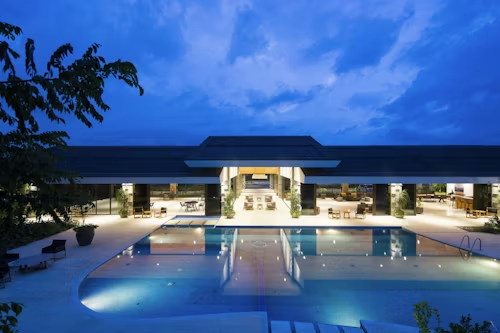
Bespoke home construction is a specialised approach to building that focuses entirely on customisation. Unlike standard or even semi-custom homes, bespoke homes are designed from scratch based on the homeowner’s unique requirements.
What Does a Bespoke Home Mean
A bespoke home refers to a property that is individually designed and built to meet the exact specifications of the homeowner. Every element of the home is tailored, including the layout, architectural style, materials, and interior design features.
This approach emphasises originality and attention to detail. Instead of choosing from pre-designed templates, homeowners work closely with architects and builders to create a home that reflects their personal vision.
How Bespoke Differs from Custom and Project Homes
While the terms “custom” and “bespoke” are sometimes used interchangeably, there are important distinctions. Custom homes may still involve selecting from a set of predefined options, whereas bespoke homes are unique with no limitations on design.
Project homes, on the other hand, are built using standardised designs and are typically more cost-effective but less flexible. Bespoke homes offer the highest level of personalisation among these options.
The Philosophy Behind Bespoke Design
Bespoke construction is guided by the philosophy of individuality and craftsmanship. It focuses on creating a living space that aligns with the homeowner’s lifestyle, preferences, and long-term needs.
This approach often involves collaboration between designers, architects, and builders to achieve a cohesive and functional result.
The Process of Building a Bespoke Home
Building a bespoke home involves several stages, each requiring careful planning and coordination.
Initial Consultation and Vision Planning
The process begins with an in-depth consultation where homeowners discuss their ideas, preferences, and budget.
This stage is crucial for defining the overall vision and setting the foundation for the design process.
Architectural Design and Development
Architects create detailed plans based on the homeowner’s requirements.
This stage includes layout design, structural planning, and consideration of environmental factors such as sunlight, ventilation, and orientation.
Approvals and Permits
Before construction begins, the design must be approved by local authorities.
This ensures compliance with building codes and regulations.
Construction and Project Management
During construction, builders oversee the execution of the design, coordinate trades, and ensure quality standards are maintained.
Regular updates and communication keep homeowners informed throughout the process.
Final Completion and Handover
Once construction is complete, the home undergoes final inspections before being handed over to the owner.
This stage ensures that all aspects of the home meet the agreed specifications and quality standards.
Key Features of Bespoke Homes
Bespoke homes are defined by several unique characteristics that set them apart from other types of construction.
Tailored Layouts
The layout of a bespoke home is designed to suit the homeowner’s lifestyle.
This may include open-plan living spaces, private areas, and specialised rooms such as home offices or entertainment zones.
Unique Architectural Design
Bespoke homes often feature distinctive architectural styles that reflect the homeowner’s taste.
This could range from modern minimalist designs to classic or heritage-inspired structures.
High-Quality Materials
Premium materials are commonly used in bespoke construction to ensure durability and aesthetic appeal.
Homeowners have the freedom to choose materials that align with their preferences and budget.
Personalised Interior Design
Interior elements such as cabinetry, lighting, and finishes are customised to create a cohesive and personalised environment.
Benefits of Bespoke Home Construction
Building a bespoke home offers several advantages that make it an appealing option for many homeowners.
Complete Personalization
Homeowners have full control over every aspect of the design and construction process.
This allows them to create a home that truly reflects their personality and lifestyle.
Enhanced Functionality
Bespoke homes are designed with functionality in mind, ensuring that spaces are practical and efficient.
Long-Term Value
A well-designed bespoke home can offer strong resale value due to its uniqueness and quality.
Energy Efficiency
Modern bespoke homes often incorporate energy-efficient features that reduce long-term costs and environmental impact.
Challenges in Bespoke Home Construction
While bespoke homes offer numerous benefits, they also present certain challenges.
Higher Costs
The level of customisation and use of premium materials can result in higher construction costs compared to standard homes.
Longer Timeframes
Bespoke projects typically take longer to complete due to the complexity of design and construction.
Decision-Making Process
Homeowners must make numerous decisions throughout the project, which can be time-consuming and require careful consideration.
Coordination and Communication
Effective collaboration between all parties involved is essential for a successful outcome.
Cost Considerations for Bespoke Homes
Understanding the cost structure of bespoke home construction is essential for effective planning.
Design and Planning Costs
Architectural design and planning fees are a significant part of the initial investment.
Construction Costs
These include materials, labour, and project management expenses.
Custom Features and Upgrades
Specialised features such as smart home systems, luxury finishes, and unique architectural elements add to the overall cost.
Contingency Budget
It is important to allocate a contingency budget to cover unexpected expenses.
The Role of Professionals in Bespoke Construction
A successful bespoke home project relies on the expertise of various professionals.
Architects and Designers
They are responsible for creating the vision and translating it into detailed plans.
Builders and Contractors
Builders manage the construction process and ensure quality workmanship.
Interior Designers
Interior designers help create cohesive and functional living spaces.
Project Managers
Project managers oversee the entire process, ensuring that timelines and budgets are maintained.
Technology in Bespoke Home Construction
Modern technology plays a significant role in enhancing the bespoke building process.
3D Visualization
Advanced software allows homeowners to visualise their home before construction begins.
Smart Home Integration
Bespoke homes often include smart systems for lighting, security, and climate control.
Sustainable Building Techniques
Eco-friendly materials and construction methods are increasingly used in bespoke homes.
Digital Project Management
Technology helps streamline communication and coordination among project stakeholders.
The Future of Bespoke Home Construction
The demand for bespoke homes continues to grow as more homeowners seek personalised living spaces.
Increasing Demand for Customisation
Homeowners are prioritising individuality and unique design features.
Focus on Sustainability
Sustainable design and energy efficiency are becoming key considerations in bespoke construction.
Integration of Advanced Technology
Smart home systems and innovative construction methods are shaping the future of bespoke homes.
Flexible Living Spaces
Homes are being designed to accommodate changing lifestyles and work-from-home arrangements.
Frequently Asked Questions
What does a bespoke home mean?
A bespoke home is a fully customised property designed and built according to the specific preferences and requirements of the homeowner.
Is a bespoke home more expensive than a standard home?
Yes, bespoke homes are typically more expensive due to their level of customisation and use of high-quality materials.
How long does it take to build a bespoke home?
The timeline can vary, but usually ranges from one to two years depending on the complexity of the project.
Conclusion
Bespoke home construction represents the highest level of personalisation in residential building. It allows homeowners to create a space that reflects their vision, lifestyle, and long-term goals.
By understanding what a bespoke home means and the processes involved, individuals can approach their project with confidence and clarity. While the journey may involve higher costs and longer timelines, the result is a unique and highly functional home that offers lasting value.
With careful planning, collaboration with experienced professionals, and a clear vision, building a bespoke home can be a rewarding experience that transforms ideas into reality.