

The lifecycle of a vehicle does not end when it becomes too costly to repair or no longer meets safety standards. Instead, it enters a complex and highly regulated process that transforms what appears to be waste into valuable materials.
Understanding how long this process takes is not only useful for vehicle owners but also for businesses and industries that rely on recycled metals and components. The timeline varies depending on multiple factors, including location, facility efficiency, and the condition of the vehicle itself.
Vehicle scrap recycling plays a critical role in reducing environmental impact and supporting a circular economy. Rather than allowing abandoned cars to deteriorate in landfills or open spaces, recycling facilities dismantle and repurpose materials such as steel, aluminium, rubber, and plastics.
This process not only conserves natural resources but also significantly reduces greenhouse gas emissions associated with mining and manufacturing new materials.
Despite its importance, many people assume the process is either instantaneous or unnecessarily prolonged. In reality, the timeline sits somewhere in between, influenced by logistics, regulatory requirements, and the sophistication of the recycling facility. Exploring each stage in detail reveals why the process takes the time it does and how efficiency can vary across regions and operators.
Understanding the Initial Collection and Transport Phase
Vehicle Pickup and Scheduling
The process begins with the collection of the scrap vehicle. Once an owner decides to dispose of a vehicle, arrangements are made with a recycling facility or authorised scrap dealer. Depending on demand and location, scheduling a pickup can take anywhere from a few hours to several days.
Urban areas tend to have faster response times due to higher service availability, while rural regions may experience delays.
The condition of the vehicle also affects timing. Vehicles that are intact and easily accessible are quicker to collect, whereas those that are damaged, immobile, or located in difficult terrain require specialised equipment and additional planning.
Transport to Recycling Facilities
After pickup, the vehicle is transported to a recycling facility. This step typically occurs within the same day as collection, but logistical factors such as distance, traffic, and facility capacity can extend the timeline. In Australia, where distances between regions can be significant, transport alone may take one to two days.
Documentation and Legal Compliance
Before processing begins, facilities must complete legal documentation, including proof of ownership and deregistration. This administrative phase ensures compliance with environmental and transport regulations. Depending on the efficiency of the facility and local regulations, this step can take several hours to a full day.
The Depollution Process and Its Timeframe
Removal of Hazardous Materials
One of the most critical steps in vehicle recycling is depollution. This involves removing hazardous substances such as engine oil, brake fluid, coolant, fuel, and battery acid. Skilled technicians carefully extract these materials to prevent environmental contamination.
This stage typically takes between one and two hours per vehicle, but high-volume facilities with automated systems may complete it faster. Vehicles with extensive damage may require additional time due to safety precautions.
Battery and Airbag Handling
Modern vehicles contain components that require specialised handling. Batteries must be safely removed and either recycled or disposed of according to strict guidelines. Airbags, which can be dangerous if mishandled, must be deactivated or removed by trained personnel.
This process can add another one to two hours, depending on the complexity of the vehicle and the number of safety systems installed.
Fluid Storage and Processing
Extracted fluids are stored in designated containers for further processing or disposal. While this does not significantly extend the per-vehicle timeline, it is an essential part of the overall operation and contributes to facility workflow efficiency.
Dismantling and Salvage Operations
Assessment for Reusable Parts
Once the vehicle is depolluted, technicians assess which components can be salvaged. Parts such as engines, transmissions, alternators, and interior fittings may still have resale value. This inspection process can take several hours, depending on the condition of the vehicle.
Manual Dismantling
Reusable parts are carefully removed and catalogued. This stage is labour-intensive and can take anywhere from three to six hours per vehicle. Facilities with higher demand for used parts may spend more time ensuring components are in good working condition before resale.
Storage and Inventory Management
After removal, parts are cleaned, tested, and stored. This step does not delay the recycling of the remaining vehicle body but contributes to the overall processing timeline within the facility. Efficient inventory systems can streamline this phase significantly.
Crushing and Shredding: The Core Recycling Stage
Vehicle Crushing
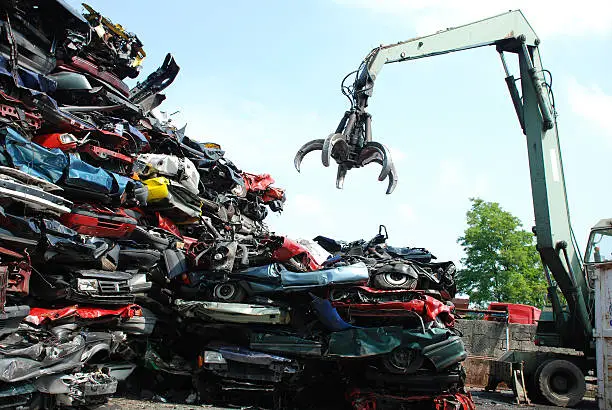
Once all valuable and hazardous components are removed, the remaining vehicle shell is prepared for crushing. Crushing reduces the size of the vehicle, making it easier to transport and process further. This step is relatively quick, often taking only a few minutes per vehicle.
However, vehicles may be queued for crushing depending on facility workload, which can add several hours or even a day to the timeline.
Shredding Process
After crushing, the vehicle is fed into a shredder. Industrial shredders break the metal into smaller fragments, separating ferrous and non-ferrous materials using magnets and other technologies. The shredding process itself is rapid, often completed within minutes.
Despite the speed of the machinery, overall timing depends on facility throughput. High-demand periods may result in delays before shredding occurs.
Material Separation
Following shredding, materials are sorted into categories such as steel, aluminium, and plastic. Advanced facilities use automated systems to maximise efficiency. This stage can take several hours as materials move through different sorting mechanisms.
Final Processing and Material Distribution
Refinement of Recycled Materials
Separated metals are sent for further refinement. Steel, for example, is melted down and reused in manufacturing. While this stage often occurs off-site, it is an essential part of the recycling chain.
The transition from shredded material to reusable raw material can take several days, depending on the receiving facility and processing capacity.
Transportation to Manufacturers
Recycled materials are transported to manufacturers for use in new products. This stage varies widely in duration, ranging from one day to several days, depending on distance and logistics.
Integration into New Products
The final step involves incorporating recycled materials into new goods, such as construction materials or automotive components. While this extends beyond the recycling facility’s operations, it completes the lifecycle of the scrap vehicle.
Factors That Influence Recycling Time
Facility Efficiency and Technology
Modern recycling facilities equipped with automated systems can process vehicles much faster than older, manual operations. Technology plays a significant role in reducing delays and improving throughput.
Vehicle Condition
Heavily damaged vehicles often require more time for safe handling and dismantling. Conversely, well-maintained vehicles may yield reusable parts more quickly.
Regulatory Requirements
Strict environmental and safety regulations can extend processing times. While these measures are essential, they add necessary steps that cannot be rushed.
Location and Logistics
Geographical factors, including distance from recycling facilities and transport infrastructure, significantly affect timelines. Urban areas generally benefit from faster processing.
Frequently Asked Questions
How long does vehicle scrap recycling usually take from start to finish?
The entire process typically takes between one to five days within the recycling facility. However, when including transport, material refinement, and distribution, the full cycle can extend to one to two weeks.
Can the process be completed in a single day?
In high-efficiency facilities, basic processing such as depollution and crushing can occur within a single day. However, complete recycling, including material reuse, generally takes longer.
Does the type of vehicle affect the recycling time?
Yes, larger vehicles or those with complex systems require more time for dismantling and depollution. Newer vehicles with advanced safety features may also extend the process due to additional handling requirements.
Conclusion
The timeline for transforming a scrap vehicle into reusable materials is shaped by multiple interconnected stages. From initial collection to final material distribution, each phase serves a specific purpose that ensures environmental safety and resource efficiency.
While some steps are completed within minutes, others require careful handling and regulatory compliance, contributing to a process that typically spans several days.
Understanding this timeline highlights the sophistication behind what might otherwise seem like a simple disposal process. It also underscores the importance of choosing reputable recycling facilities that prioritise efficiency, safety, and sustainability.