

A home should be a place of comfort, cleanliness, and security. It is where families rest, store food, protect belongings, and enjoy daily life. However, even the cleanest homes can experience pest problems.
Tiny insects, hidden rodents, and destructive invaders often enter houses searching for food, water, warmth, or shelter. Once inside, they can multiply quickly and become difficult to remove without proper action.
Many homeowners ask an important question when learning about prevention and treatment: What are the four major pests? While many types of pests can affect residential properties, four groups are widely recognised as the most common and troublesome in homes.
These are cockroaches, rodents, ants, and termites. They are considered major pests because they frequently invade homes, spread quickly, damage property, contaminate living areas, and create health or structural concerns.
Understanding these four pests is valuable because early recognition leads to faster control. Each pest behaves differently, enters homes in different ways, and requires different prevention methods. What works for ants may not work for termites. What deters rodents may not stop cockroaches.
This guide explains the major Home Pests Control in detail, why they are so common, how to identify them, the damage they cause, warning signs of infestation, prevention methods, treatment options, and how homeowners can protect their property all year round.
Why Certain Pests Become Major Household Problems
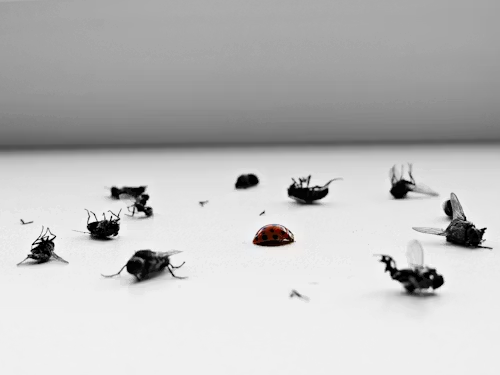
Not every insect or animal that appears outdoors becomes a serious indoor pest. The pests considered major household threats usually share certain characteristics.
They adapt well to human environments. Homes provide warmth, food crumbs, water leaks, hiding spaces, and nesting areas. These conditions allow some pests to thrive.
They reproduce quickly. A small, unnoticed problem can become a larger infestation in a short time.
They are difficult to eliminate without a strategy. Many pests hide behind walls, under floors, inside cupboards, roof spaces, or structural timber.
They create real consequences. Some contaminate food, some spread bacteria, some chew wiring, and others damage the building itself.
Because of these traits, cockroaches, rodents, ants, and termites consistently rank among the most serious residential pests.
What Are the Four Major Pests
The four major pests commonly found in homes are:
Cockroaches – resilient insects that contaminate food areas and multiply quickly.
Rodents – mice and rats that spread germs, chew materials, and nest inside buildings.
Ants – highly organised colony insects that invade kitchens, walls, and outdoor-to-indoor pathways.
Termites – silent structural pests that feed on wood and cellulose materials.
Each one causes different problems, so homeowners benefit from learning how each pest operates.
Pest One Cockroaches
Cockroaches are among the most disliked and persistent household pests. They are highly adaptable insects capable of surviving in difficult conditions and hiding in narrow dark spaces.
Why Cockroaches Enter Homes
Cockroaches usually seek food, water, and shelter. Kitchens, bathrooms, laundry rooms, garbage storage areas, and damp spaces are common attraction points.
Even tiny crumbs, grease residue, pet food, leaking pipes, or cardboard clutter can support roach activity.
Common Hiding Places
Cockroaches often hide behind refrigerators, inside cabinets, under sinks, around dishwashers, in wall voids, and near drains.
They prefer warm, hidden spaces close to moisture.
Why They Are a Major Pest
Cockroaches can contaminate surfaces and food preparation areas. Their droppings, shed skins, and body fragments may trigger allergies in some people.
They also reproduce quickly, meaning a few visible roaches may indicate many hidden ones.
Warning Signs
Seeing live roaches at night, droppings resembling pepper grains, musty odour, egg cases, or activity near water sources can indicate infestation.
Prevention Tips
Keep kitchens clean, seal food containers, fix leaks, empty rubbish regularly, and reduce clutter. Small sanitation habits make a big difference.
Pest Two Rodents
Rodents include mice and rats. They are intelligent, adaptable, and capable of entering homes through surprisingly small gaps.
Why Rodents Enter Homes
Rodents seek food, warmth, nesting material, and protection from the weather. Homes provide insulation, stored food, pet food, wall voids, roof cavities, and garages.
Why They Are a Major Pest
Rodents can spread bacteria, damage insulation, chew wood, ruin stored items, and gnaw on electrical wires. Wire damage may create a fire risk.
They also reproduce quickly when conditions are favourable.
Common Signs of Rodents
Droppings, scratching sounds in walls or ceilings, gnawed packaging, shredded nesting material, greasy rub marks along walls, and nighttime movement are common indicators.
Entry Points
Mice can squeeze through very small openings. Gaps around pipes, vents, doors, roofing edges, and garages are common access points.
Prevention Tips
Seal openings, store food securely, keep yards tidy, trim vegetation, and remove standing clutter in sheds or garages.
Pest Three Ants
Ants are one of the most common household pests because colonies can contain many workers searching constantly for food and water.
Why Ants Enter Homes
Ants often enter kitchens, pantries, and dining areas after detecting sugar, grease, crumbs, fruit, pet food, or moisture.
Why They Are a Major Pest
A few ants may seem minor, but visible ants are usually only a small part of a much larger colony. Trails can grow rapidly, and some species nest inside walls, gardens, or paving.
Common Household Ant Problems
Kitchen bench trails, ants around sinks, pantry contamination, nests near patios, and recurring lines entering from doors or windows are common complaints.
Warning Signs
Visible ant trails, small piles of soil near cracks, repeated sightings in the same area, and activity after spills or rain often indicate colony presence.
Prevention Tips
Wipe surfaces promptly, store sweet foods well, seal gaps, trim branches touching the home, and reduce moisture sources.
Pest Four Termites
Termites are among the most financially damaging household pests because they can attack structural timber silently over time.
Why Termites Enter Properties
Termites seek cellulose material, especially wood and paper products. Moisture issues, timber in contact with soil, and hidden access points increase risk.
Why They Are a Major Pest
Unlike pests that mainly create nuisance, termites may weaken floors, wall frames, decks, skirting boards, and structural supports.
Damage can become extensive before homeowners notice visible signs.
Common Signs of Termites
Hollow-sounding timber, mud tubes, tight-fitting doors or windows, blistered paint, discarded wings, or unexplained wood damage may indicate termite activity.
Why Early Detection Matters
Termites work out of sight. Delays can significantly increase repair costs.
Prevention Tips
Fix moisture problems, avoid storing timber against walls, maintain drainage, schedule inspections, and keep soil-to-wood contact minimised.
Comparing the Four Major Pests
Each pest affects homes differently.
Cockroaches focus on sanitation and hidden moisture areas.
Rodents often involve entry-point sealing and nesting control.
Ants require colony targeting rather than only killing visible workers.
Termites demand structural awareness and professional inspection.
Understanding these differences helps homeowners respond intelligently.
Why Clean Homes Still Get Pests
Many people assume pests only affect dirty homes. This is not true.
Even clean homes provide shelter, warmth, plumbing, moisture, roof cavities, pantry goods, pet food, and occasional crumbs. Pests may also migrate from neighbouring properties, drains, gardens, construction sites, or seasonal weather changes.
Cleanliness helps reduce risk, but it is only one part of prevention.
Seasonal Pest Patterns at Home
Warm Seasons
Ants, cockroaches, and some flying insects become more active during warmer months.
Wet Seasons
Moisture attracts termites, cockroaches, and pests seeking dry indoor shelter.
Cooler Seasons
Rodents often move indoors seeking warmth and food.
Understanding seasonal behaviour helps homeowners stay proactive.
Areas of the Home Most at Risk
Certain zones attract pests more than others.
Kitchen
Food crumbs, bins, water access, and pantry goods make kitchens a major hotspot.
Bathroom and Laundry
Moisture and warmth attract cockroaches and some ants.
Roof Space and Walls
Rodents often nest in quiet, hidden cavities.
Garden Perimeter
Ant colonies and termite activity may begin outdoors before entering the home.
Garage and Storage Rooms
Boxes, clutter, and less frequent disturbance create hiding opportunities.
Best Prevention Habits for All Four Major Pests
Several habits help reduce all major pest risks.
Keep food sealed.
Clean spills quickly.
Repair leaks.
Reduce clutter.
Seal cracks and gaps.
Trim plants touching walls.
Store rubbish properly.
Inspect dark storage zones regularly.
Arrange periodic professional checks if the area has termite risk.
Small habits create strong long-term protection.
DIY Control vs Professional Pest Services
Some minor issues can be managed at home. Ant trails may reduce with sanitation and bait placement. A single mouse may be trapped quickly if entry points are sealed.
However, recurring roaches, hidden rodents, widespread ants, or any suspected termite activity often require professional treatment.
Professionals can identify species accurately, locate nests, and use targeted solutions that homeowners may not access.
Why Correct Identification Matters
Treating the wrong pest wastes time and money.
For example, flying ants may be mistaken for termites. Small droppings may be from mice rather than insects. Outdoor ants may not be the same species invading the pantry.
Accurate identification leads to effective treatment plans.
Warning Signs You Should Not Ignore
Repeated pest sightings usually mean more than a random visitor.
Take action if you notice:
Nighttime roaches
Fresh rodent droppings
Persistent ant trails
Wood damage
Scratching sounds in the walls
Musty insect odour
Wings near windows
The earlier the action begins, the easier control often becomes.
Home Maintenance That Reduces Pest Pressure
Good property maintenance strongly supports pest prevention.
Keep gutters clear to reduce moisture.
Repair roof gaps.
Seal plumbing penetrations.
Store firewood away from walls.
Maintain drainage around foundations.
Replace damaged screens.
These steps remove common pest opportunities.
Protecting Pets and Children During Pest Control
When treating pests, always prioritise safety.
Use products as directed, store chemicals securely, and follow re-entry instructions if using professional services.
Targeted treatment is usually safer and more effective than excessive random spraying.
The Cost of Ignoring Major Pests
Delaying action can become expensive.
Cockroaches may spread throughout appliances and cupboards.
Rodents may damage insulation or wiring.
Ant colonies may expand behind walls.
Termites may create structural repair costs far beyond treatment fees.
A prompt response usually saves money and stress.
Creating a Home Pest Prevention Routine
A simple monthly routine helps greatly.
Inspect under sinks.
Check pantry shelves.
Look for droppings in storage zones.
Monitor wall edges and window sills.
Examine timber for unusual signs.
Review outdoor vegetation touching the house.
Regular attention catches issues early.
Frequently Asked Questions
Which of the four pests is most damaging?
Termites are often the most damaging financially because they can harm structural timber.
Which pest is most common in kitchens?
Ants and cockroaches are common kitchen pests due to food and moisture.
Can I prevent all four pests completely?
No system guarantees zero pests, but good maintenance greatly reduces risk.
Final Thoughts
If you are asking what the four major pests are, the most common and significant household pests are cockroaches, rodents, ants, and termites. They are considered major pests because they frequently invade homes, multiply quickly, and create hygiene, comfort, or structural problems.
Knowing these pests is the first step toward stronger home protection. Each one leaves clues, responds to different treatments, and can often be managed more easily when found early.
A safer home starts with awareness, prevention, and prompt action. When homeowners understand the four major pests, they make smarter decisions and protect both property and peace of mind.