

Pest problems are not only a nuisance; they are a recurring challenge for homes, businesses, and communities in almost every environment.
Ants forming trails across kitchen counters, cockroaches appearing at night, rodents moving through storage spaces, mosquitoes gathering near water sources, and termites quietly damaging timber are all common examples of how pests adapt to human living spaces.
Because these issues are so widespread, many homeowners and property managers ask a key question: What is the most effective way to control pests? The answer is not a single spray, trap, or quick treatment. Instead, effective pest control is a combination of prevention, monitoring, targeted intervention, and environmental management.
Local pest control works best when it is based on understanding the specific conditions of an area, the types of pests present, and the habits that allow them to thrive. A one-size-fits-all approach rarely produces lasting results.
This guide explores the most effective Local Pest Control strategies, how local conditions influence pest activity, what methods professionals use, and how homeowners can maintain long-term protection against infestations.
What Is the Most Effective Way to Control Pests
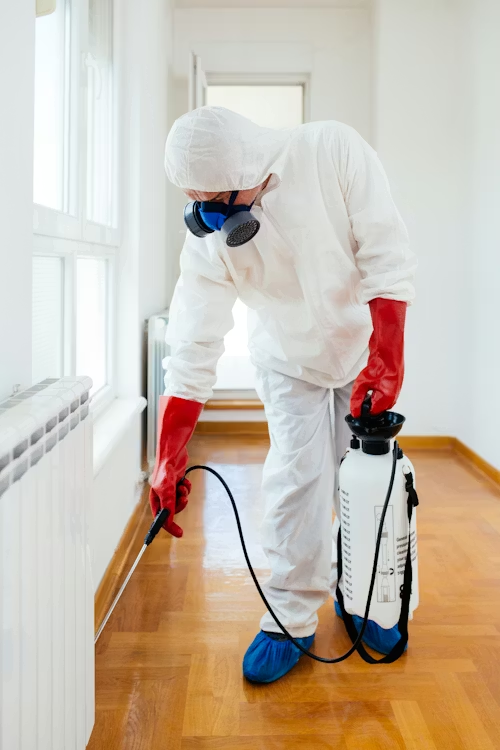
The most effective way to control pests is an integrated approach that combines prevention, environmental management, targeted treatment, and regular monitoring.
This method does not rely on a single solution. Instead, it focuses on reducing the conditions that allow pests to survive while addressing existing infestations in a precise and controlled manner.
Effective pest control means solving the root cause of the problem, not just removing visible pests.
Why Local Pest Control Matters
Pest activity varies greatly depending on location. Climate, humidity, vegetation, building styles, and urban density all affect how pests behave.
Climate Influence
Warm and humid regions often experience higher insect activity year-round, while cooler areas may see seasonal rodent movement indoors.
Urban vs Rural Areas
Urban environments may have issues with cockroaches, ants, and rodents due to dense housing. Rural areas may face more outdoor insects and wildlife-related pests.
Building Structures
Older buildings with gaps and cracks often allow easier pest entry compared to modern sealed constructions.
Local pest control considers all these factors when designing effective strategies.
Understanding Why Pests Enter Homes
To control pests effectively, it is important to understand why they enter homes in the first place.
Food Sources
Crumbs, unsealed food, garbage bins, and pet food are major attractants.
Water Access
Leaking pipes, damp areas, and standing water provide essential moisture for survival.
Shelter
Pests seek warm, dark, and quiet areas such as wall voids, storage boxes, and unused spaces.
Easy Entry Points
Cracks in walls, gaps under doors, open vents, and damaged screens allow access.
Controlling pests begins with controlling these conditions.
The Foundation of Effective Pest Control
Strong pest control systems are built on four essential pillars.
Prevention
Stopping pests before they enter is the most effective strategy.
Identification
Knowing the exact pest type ensures correct treatment.
Treatment
Targeted methods remove existing infestations.
Maintenance
Ongoing monitoring prevents recurrence.
When these four elements work together, pest control becomes significantly more effective.
Prevention as the Strongest Control Method
Prevention is often the most powerful form of pest control.
Cleanliness
Regular cleaning reduces food sources and reduces attraction.
Sealing Entry Points
Blocking cracks, gaps, and openings reduces pest access.
Moisture Control
Fixing leaks and reducing humidity limits pest survival.
Waste Management
Proper garbage disposal reduces feeding opportunities.
Prevention creates an environment that is naturally resistant to pests.
The Role of Inspection in Local Pest Control
Inspection is one of the most important steps in pest control.
Professionals examine the property for signs of pests, entry points, nesting areas, moisture problems, and food sources.
Without inspection, treatment may miss the actual source of the problem.
Inspection ensures that solutions are targeted and effective.
Targeted Treatment vs General Spraying
One of the most important differences in modern pest control is the shift from broad spraying to targeted treatment.
General Spraying
This method applies chemicals over large areas but may not reach nests or hidden colonies.
Targeted Treatment
This focuses on specific areas where pests live, breed, or travel.
Targeted treatment is often more effective and uses fewer chemicals.
Integrated Pest Management in Local Control
Integrated Pest Management (IPM) is widely recognised as the most effective strategy.
Step One: Assessment
Identify pest type and infestation level.
Step Two: Environmental Control
Remove food, water, and shelter sources.
Step Three: Targeted Application
Use treatment only where necessary.
Step Four: Monitoring
Track pest activity over time.
This system creates long-term control rather than short-term fixes.
Common Local Pests and Control Methods
Ants
Effective control includes baiting systems, colony targeting, and sealing entry points.
Cockroaches
Best managed through sanitation, targeted treatments, and crack-and-crevice control.
Rodents
Require trapping, exclusion, and food source removal.
Mosquitoes
Controlled by removing standing water and managing outdoor environments.
Termites
Require professional monitoring and structural treatment systems.
Each pest requires a specific approach.
Why DIY Methods Often Have Limited Success
DIY pest control can help with minor issues, but often fails in larger infestations.
Surface-Level Treatment
DIY sprays often kill visible pests but not hidden colonies.
Lack of Identification
Misidentifying pests leads to ineffective solutions.
Incomplete Coverage
Hidden nests and entry points are often missed.
For persistent problems, professional methods are more reliable.
The Importance of Environmental Control
Changing the environment is one of the most effective long-term strategies.
Reducing Clutter
Less clutter means fewer hiding places.
Managing Vegetation
Plants touching buildings can act as pest bridges.
Outdoor Maintenance
Keeping yards clean reduces pest pressure on homes.
Environmental control supports all other pest management efforts.
Monitoring as a Long-Term Strategy
Monitoring helps detect early signs of pest activity.
Traps and Stations
Used to track and reduce pest populations.
Routine Inspections
Regular checks help identify problems early.
Early Response
Quick action prevents small issues from becoming infestations.
Monitoring ensures ongoing protection.
Why Moisture Control Is Critical
Many pests rely heavily on water.
Cockroaches, termites, ants, and rodents are all attracted to moisture.
Fixing leaks, improving ventilation, and reducing damp areas can dramatically reduce pest activity.
Moisture control is often one of the simplest but most effective steps.
Entry Point Sealing for Local Pest Control
Preventing pests from entering is one of the most effective methods available.
Common Entry Points
Cracks in walls, gaps under doors, vents, plumbing access points, and roof edges.
Sealing Methods
Weather stripping, mesh screens, sealant, and door sweeps.
Blocking entry reduces future infestations significantly.
Seasonal Influence on Pest Activity
Local pest control must consider seasonal changes.
Warm Seasons
Increased insect activity and breeding.
Wet Seasons
Higher mosquito and termite risks.
Cooler Seasons
Rodents may move indoors.
Adjusting control strategies seasonally improves effectiveness.
Professional Pest Control vs Local DIY Efforts
Professional Services
Provide inspection, targeted treatment, monitoring, and prevention strategies.
DIY Efforts
Useful for small, isolated issues but limited for larger infestations.
Combined Approach
The most effective strategy often uses both methods together.
Why Timing Matters in Pest Control
Early action is always more effective than delayed treatment.
Small pest issues can escalate quickly if ignored.
Timely intervention reduces damage, cost, and stress.
Cost vs Effectiveness in Pest Control
Cheaper solutions are not always more effective.
A low-cost treatment that fails repeatedly often becomes more expensive over time.
Effective pest control focuses on long-term results, not just immediate price.
How Homeowners Can Improve Results
Maintain Cleanliness
Reduces food sources.
Fix Structural Gaps
Blocks entry routes.
Reduce Moisture
Limits pest survival conditions.
Act Early
Prevents infestations from growing.
These habits significantly improve pest control outcomes.
Frequently Asked Questions
What is the most effective way to control pests?
Integrated pest management that combines prevention, monitoring, and targeted treatment.
Can pests be eliminated permanently?
Pests can be controlled long-term, but ongoing prevention is usually required.
Is spraying enough for pest control?
No, spraying alone is usually not sufficient without addressing root causes.
Conclusion
If you are asking what the most effective way to control pests is, the answer is a complete and balanced strategy rather than a single solution. Effective pest control depends on prevention, inspection, environmental management, targeted treatment, and consistent monitoring.
Local conditions play a major role, so understanding your environment is essential. When these strategies are combined, homes and businesses become far less attractive to pests and much easier to maintain.
Strong pest control is not about reacting to problems. It is about creating conditions where pests struggle to survive in the first place.