

Modern trade work demands more than raw skill and reliable equipment. Efficiency on-site often depends on how well tools, materials, and storage systems are organised inside a work vehicle. A cluttered tray or poorly arranged storage layout can slow down productivity, increase safety risks, and create unnecessary stress during demanding workdays.
As workloads become more complex, professionals are looking for practical ways to transform utility vehicles into streamlined mobile workspaces.
The evolution of work vehicles has changed expectations across multiple industries. Businesses and independent operators now require layouts that maximise storage capacity while still maintaining accessibility and durability.
Rather than relying on generic setups, many workers are investing in customised systems that support their daily routines, protect expensive equipment, and improve workflow efficiency over time.
Ute fitout solutions are becoming an essential part of this shift towards smarter mobile operations. These systems are designed to improve organisation, reduce wasted time, and create safer working conditions through carefully planned storage and equipment integration.
From shelving systems to drawer units and modular compartments, a well-designed fitout can significantly improve how professionals manage their tools and complete jobs efficiently.
The growing demand for tailored vehicle storage systems reflects a broader focus on productivity and long-term value. Workers are no longer treating their vehicles as simple transport units. Instead, they are viewing them as fully functional extensions of the workplace that can influence performance, professionalism, and daily convenience.
Why Vehicle Organisation Matters More Than Ever
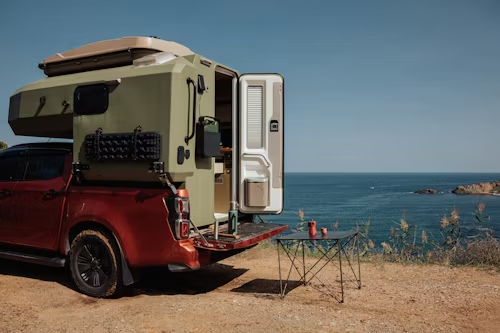
A disorganised vehicle may seem like a minor inconvenience, but over time it creates significant inefficiencies. Constantly searching for tools, dealing with damaged equipment, or unloading unnecessary items can affect job completion times and increase fatigue throughout the day. Proper organisation directly contributes to smoother operations and better time management.
Professional tradespeople often carry expensive equipment that requires protection from movement, dust, and harsh environmental conditions. Without dedicated compartments or secure mounting systems, tools can become damaged during transit. Replacing damaged equipment not only creates unexpected expenses but can also delay projects and impact client satisfaction.
Vehicle organisation also plays an important role in workplace safety. Loose items inside a ute can become dangerous during sudden braking or rough driving conditions. Secure storage systems minimise these risks by keeping equipment properly restrained and accessible when needed. Workers can operate with greater confidence knowing their gear is safely stored.
An organised fitout also improves professional presentation. Arriving at a worksite with a clean, efficient vehicle creates a positive impression and demonstrates attention to detail. Clients often associate vehicle presentation with the quality of workmanship, making organisation an important factor in building trust and credibility.
Choosing the Right Fitout for Daily Operations
Understanding Workflow Requirements
Every profession operates differently, which means fitout requirements vary significantly between users. Electricians may require compartmentalised storage for smaller tools and components, while plumbers often need larger spaces for pipes, fittings, and heavy equipment. Understanding daily workflow patterns is the first step towards designing an effective system.
Workers should evaluate how frequently they access specific tools and materials throughout the day. Frequently used items should be positioned for quick access, while less commonly used equipment can be stored in secondary compartments. This simple approach reduces unnecessary movement and improves efficiency on-site.
Balancing Storage and Accessibility
Maximising storage capacity does not always result in better functionality. Overcrowded compartments can make tools difficult to retrieve and increase the likelihood of damage. Effective fitouts prioritise accessibility alongside storage efficiency to create smoother workflows.
Sliding drawers, fold-out shelving, and modular systems provide practical ways to maintain easy access while using available space efficiently. A balanced layout helps workers complete tasks faster without creating frustration during busy schedules.
Considering Vehicle Weight Distribution
Poor weight distribution can affect vehicle handling, fuel efficiency, and tyre wear. Heavy tools and equipment should be evenly distributed across the vehicle to maintain stability and safety during transport. Properly planned fitouts account for these factors without sacrificing practicality.
Professional installation often includes strategic positioning of storage units to support safe vehicle operation. This approach improves both driving comfort and long-term vehicle performance.
Planning for Future Growth
Work requirements can change over time as businesses expand or services evolve. Flexible fitout systems allow users to adapt storage layouts without replacing the entire setup. Modular components provide greater long-term value by supporting future adjustments and upgrades.
Investing in adaptable storage solutions can reduce costs in the future while ensuring the vehicle continues meeting operational demands as workloads increase.
Materials and Features That Improve Durability
Heavy-Duty Drawer Systems
Drawer systems remain one of the most practical features in modern fitouts. They allow workers to store tools securely while maintaining quick access throughout the day. High-quality drawer systems are designed to withstand constant use and support heavy loads without compromising smooth operation.
Lockable drawers also provide added security for valuable equipment when vehicles are unattended. This extra protection helps reduce theft risks and protects business investments.
Aluminium and Steel Construction
Durability is essential for work vehicles exposed to rough conditions and constant movement. Aluminium fitouts offer lightweight strength, making them ideal for reducing additional vehicle weight while maintaining durability. Steel systems provide maximum strength for heavy-duty applications where extra support is required.
The choice between aluminium and steel often depends on the nature of work, vehicle capacity, and long-term usage expectations. Both materials can deliver excellent performance when designed properly.
Protective Coatings and Finishes
Work vehicles are regularly exposed to moisture, dust, chemicals, and changing weather conditions. Protective coatings help extend the lifespan of fitout components by preventing corrosion and surface damage.
Powder-coated finishes are particularly popular because they offer durability while maintaining a professional appearance. Investing in quality finishes helps preserve both functionality and aesthetics over time.
Integrated Lighting Systems
Poor visibility inside storage compartments can slow down productivity, especially during early mornings or evening work. Integrated lighting systems improve visibility and make it easier to locate tools quickly.
LED lighting options are commonly used because they consume minimal power while providing strong illumination. Better visibility reduces wasted time and creates a more practical working environment.
How Fitouts Improve Productivity on the Job
A well-planned fitout can dramatically improve daily productivity by reducing wasted time and simplifying routine tasks. Workers who know exactly where their equipment is stored can move between jobs more efficiently and complete tasks with fewer interruptions.
Efficient storage layouts also reduce physical strain. Repeated bending, lifting, and climbing to access tools can contribute to fatigue and long-term injuries. Ergonomic storage solutions minimise unnecessary movement and support healthier working habits.
Mobile workspaces are especially valuable for professionals managing multiple job sites throughout the day. Instead of returning to workshops or supply locations repeatedly, workers can carry organised equipment directly within their vehicles. This convenience saves time and improves scheduling flexibility.
Improved productivity also affects profitability. Completing jobs more efficiently allows businesses to handle additional work without compromising quality. Over time, these operational improvements can create significant financial benefits while reducing daily stress.
Customisation Trends Reshaping Work Vehicles
Modular Storage Innovations
Modular systems are becoming increasingly popular because they provide flexibility without requiring permanent layouts. Workers can adjust storage compartments, shelving, and accessories based on changing project requirements.
This adaptability is particularly valuable for businesses handling varied workloads across different industries. Modular systems allow vehicles to remain functional across multiple tasks without major redesigns.
Smart Technology Integration
Technology is playing a larger role in vehicle organisation and fleet management. Some fitouts now include charging stations, integrated power systems, and tracking features designed to support modern work environments.
Built-in charging solutions allow workers to power tools and devices directly from the vehicle, improving convenience and reducing downtime on-site.
Space-Saving Design Approaches
Modern fitouts focus heavily on maximising usable space without overcrowding the vehicle. Fold-away workbenches, compact shelving systems, and multi-purpose compartments help workers maintain functionality while preserving open space.
Efficient space management improves comfort and allows workers to move around the vehicle more easily during busy schedules.
Enhanced Security Features
Security remains a growing concern for professionals carrying expensive equipment. Advanced locking systems, reinforced compartments, and concealed storage options are increasingly common in modern fitout designs.
These features provide peace of mind while helping businesses protect valuable assets from theft or damage.
Long-Term Value of Professional Fitout Investments
Investing in a professional fitout is not simply about convenience. It is a long-term operational decision that can improve efficiency, reduce maintenance costs, and support business growth over time. Quality systems are designed to withstand years of daily use while maintaining reliable performance.
Well-organised storage also helps extend the lifespan of tools and equipment. Secure compartments reduce unnecessary movement and exposure to damaging conditions, lowering replacement expenses over time. This protection becomes particularly important for professionals using specialised or high-cost equipment.
Resale value is another factor worth considering. Vehicles equipped with professionally installed fitouts are often more attractive to future buyers within trade industries. Durable storage systems can increase overall vehicle appeal and contribute to stronger resale opportunities.
Professional fitouts also create consistency in daily operations. Workers develop routines around organised systems, improving speed and reducing workplace frustration. Over time, these improvements contribute to a more productive and professional working environment.
Frequently Asked Questions
How do fitout systems improve workplace safety?
Fitout systems improve safety by securing tools and equipment during transport, reducing the risk of loose items moving around the vehicle. Proper storage also minimises physical strain by improving accessibility and reducing unnecessary lifting or climbing.
Are modular fitouts better than fixed systems?
Modular fitouts provide greater flexibility because components can be adjusted or expanded as work requirements change. Fixed systems may offer stronger permanent layouts for highly specialised applications, but modular options are often more adaptable for evolving workloads.
What materials are commonly used in quality fitouts?
Aluminium and steel are the most commonly used materials. Aluminium offers lightweight durability, while steel provides extra strength for heavy-duty storage needs. The best choice depends on vehicle capacity and the type of work being performed.
Conclusion
Efficient vehicle organisation has become an essential part of modern trade and service industries. Workers increasingly rely on customised storage systems to improve productivity, protect equipment, and maintain safer working conditions throughout demanding schedules.
A well-designed fitout transforms a standard vehicle into a functional mobile workspace that supports daily efficiency and long-term business performance.
As work demands continue evolving, the importance of tailored storage solutions will only increase. Practical layouts, durable materials, and flexible designs allow professionals to adapt more effectively while maintaining organised and reliable operations. Investing in smarter vehicle systems ultimately supports better workflows, improved professionalism, and greater operational confidence every day.