

A kitchen remodel is one of the most rewarding home improvement projects a homeowner can undertake. The kitchen serves as the heart of the home, acting as a space for cooking, entertaining, socialising, and everyday family life.
As modern living continues to evolve, homeowners are placing greater emphasis on creating kitchens that combine functionality, efficiency, and contemporary style. This growing demand has made Modern Kitchen Renovations Melbourne increasingly popular among those seeking to improve both their lifestyle and property value.
While the benefits of a kitchen remodel are widely recognised, one of the first questions homeowners ask is how much they should realistically expect to spend.
Budget planning is a critical part of the renovation process because it influences every decision, from cabinetry and benchtops to appliances, lighting, and layout changes. Without a clear understanding of costs, homeowners may struggle to balance their design goals with their financial expectations.
One of the most frequently asked questions is, “What is a realistic budget for a kitchen remodel?” The answer depends on several factors, including the size of the kitchen, the quality of materials selected, the complexity of the design, and the extent of structural modifications.
Understanding where renovation costs originate and how budgets are typically allocated can help homeowners plan more effectively and achieve successful renovation outcomes.
Understanding the Cost of Modern Kitchen Renovations
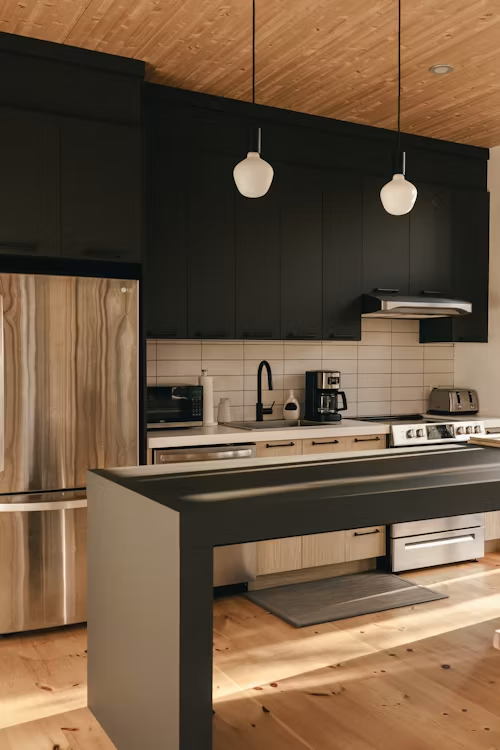
Modern kitchen renovations involve much more than replacing cabinets and installing new appliances. A complete remodel often includes design planning, demolition, electrical upgrades, plumbing modifications, cabinetry installation, flooring, benchtops, splashbacks, and finishing details.
Because so many components contribute to the final result, kitchen renovation costs can vary significantly from one project to another. Some homeowners pursue simple aesthetic upgrades, while others undertake comprehensive renovations that transform the space’s layout and functionality.
Understanding the factors that influence renovation costs is essential for creating a realistic budget.
Why Kitchen Renovations Are Significant Investments
The kitchen contains more specialised components than almost any other room in a home. Appliances, cabinetry, plumbing fixtures, electrical systems, and benchtops all require careful planning and professional installation.
Unlike cosmetic improvements such as painting or decorating, kitchen renovations involve multiple trades and technical considerations. This complexity contributes to the higher cost of kitchen remodels compared to many other home improvement projects.
However, because the kitchen plays such a central role in daily living, many homeowners view the investment as worthwhile.
The Difference Between a Renovation and a Remodel
Although the terms are often used interchangeably, renovations and remodels can involve different levels of work. A renovation typically focuses on updating existing features while maintaining the original layout.
A remodel often involves more substantial changes, including altering the floor plan, relocating services, and redesigning the space’s overall functionality. These additional modifications generally result in higher costs.
Understanding the distinction helps homeowners establish more accurate budget expectations.
What Is a Realistic Budget for a Kitchen Remodel?
A realistic kitchen remodel budget depends largely on the scope of the project and the homeowner’s expectations. While there is no universal figure that applies to every renovation, most projects fall into budget, mid-range, or premium categories.
A modest remodel may focus on cosmetic improvements and minor upgrades, while a high-end modern renovation often includes custom cabinetry, premium appliances, and extensive design enhancements.
The most realistic budget is one that aligns with both the homeowner’s goals and the complexity of the renovation.
Budget-Friendly Kitchen Remodels
Budget-conscious kitchen remodels generally focus on refreshing the appearance of the space without making significant structural changes. Homeowners may update cabinet finishes, replace benchtops, install new fixtures, and upgrade selected appliances.
Because the existing layout is typically retained, labour and service relocation costs remain relatively low. These projects can deliver noticeable improvements while maintaining tighter financial control.
For homeowners seeking practical upgrades, a budget-friendly remodel can provide excellent value.
Mid-Range Kitchen Remodel Budgets
Mid-range remodels often represent the most common type of kitchen renovation. These projects typically include new cabinetry, upgraded benchtops, improved lighting, and modern appliances.
Homeowners choosing this level of renovation often seek a balance between affordability and premium features. Mid-range projects allow for greater personalisation while remaining financially manageable.
This category is particularly popular among families looking to improve both functionality and aesthetics.
Premium Modern Kitchen Remodels
Premium remodels involve extensive customisation and high-end finishes. These projects frequently include bespoke cabinetry, luxury stone benchtops, integrated appliances, designer lighting, and sophisticated storage solutions.
In many cases, premium remodels also involve structural modifications that improve layout and enhance overall living spaces. While costs can be substantial, the results often deliver exceptional functionality and visual impact.
Premium renovations are designed to create kitchens that serve as standout features within the home.
Cabinetry Often Represents the Largest Budget Allocation
When examining kitchen renovation budgets, cabinetry is frequently the most significant expense. Cabinets occupy a large portion of the kitchen and play a crucial role in both functionality and visual appeal.
Because cabinetry influences storage, organisation, and overall design, many homeowners choose to invest heavily in this area. The quality and complexity of the cabinetry selected can dramatically affect the final budget.
Cabinetry is often considered the foundation of a successful kitchen remodel.
The Cost of Custom Cabinetry
Custom cabinetry is designed specifically for the dimensions and requirements of the kitchen. Unlike standard products, custom solutions maximise available space and provide greater design flexibility.
This level of personalisation requires skilled craftsmanship and specialised manufacturing processes, which contribute to higher costs. However, many homeowners find the investment worthwhile because of the improved functionality and aesthetics.
Custom cabinetry often becomes a defining feature of modern kitchens.
Storage Solutions and Their Impact on Cost
Modern kitchens increasingly incorporate advanced storage features such as pull-out pantry systems, hidden compartments, integrated bins, and corner storage solutions.
These additions improve usability and organisation but also increase cabinetry costs. The more sophisticated the storage system, the larger the investment required.
Effective storage contributes significantly to the overall success of a kitchen design.
Benchtops and Surface Materials
Benchtops are among the most visible elements in any kitchen. They serve as work surfaces while contributing heavily to the overall appearance of the space.
The material selected for benchtops has a major impact on both budget and aesthetics. Homeowners often choose materials based on durability, maintenance requirements, and visual appeal.
Premium surfaces can significantly influence renovation costs.
Stone Benchtops and Modern Design
Stone benchtops remain one of the most popular choices for modern kitchen renovations. Engineered stone and natural stone offer durability, elegance, and long-term performance.
While these materials require a larger investment than laminate alternatives, they provide a premium appearance that enhances overall kitchen quality. Many homeowners consider them worthwhile upgrades.
Stone surfaces continue to define contemporary kitchen design.
Alternative Benchtop Materials
Some homeowners choose timber, porcelain, stainless steel, or composite materials as alternatives to stone. Each option offers unique benefits and aesthetic qualities.
Material selection should balance appearance, functionality, and budget considerations. Understanding the strengths of different products helps support informed decision-making.
The right benchtop material contributes to both practicality and style.
Appliance Costs in Modern Kitchen Remodels
Appliances represent another major component of renovation budgets. Modern kitchens often feature a variety of integrated and high-performance appliances that improve convenience and efficiency.
The cost of appliances can vary dramatically depending on brand, technology, and functionality. Homeowners should carefully evaluate their needs before making purchasing decisions.
Appliances play a central role in everyday kitchen use.
Standard Versus Premium Appliances
Standard appliances provide reliable performance at a more affordable price point. Premium models often include advanced cooking technologies, smart features, and superior aesthetics.
Luxury appliances can significantly increase renovation budgets but may also enhance the overall user experience. The choice depends on lifestyle preferences and financial priorities.
Both categories offer advantages depending on project goals.
Energy Efficiency and Long-Term Savings
Modern energy-efficient appliances often reduce operating costs while supporting environmental sustainability. Although some models require larger upfront investments, they may generate savings over time.
Homeowners increasingly view efficiency as an important consideration during appliance selection. Long-term performance can be just as important as initial cost.
Efficient appliances align well with contemporary renovation priorities.
Labour Costs and Professional Services
Labour represents a substantial portion of any kitchen remodel budget. Renovations require the involvement of multiple trades, each contributing specialised expertise to the project.
Professional services help ensure that work is completed safely, efficiently, and according to required standards. While labour costs can be high, they are essential for achieving quality results.
Experienced professionals contribute directly to renovation success.
Multiple Trades Are Required
Kitchen remodels typically involve electricians, plumbers, carpenters, tilers, cabinet makers, painters, and installers. Each trade performs specialised tasks that are essential for completing the renovation.
Coordinating these professionals requires careful planning and project management. Labour costs reflect both the complexity of the work and the skill levels involved.
Professional collaboration is critical for successful project delivery.
The Value of Professional Workmanship
Quality workmanship affects both the appearance and longevity of the finished kitchen. Poor installation can lead to defects, repairs, and reduced functionality.
Investing in skilled professionals helps ensure that the renovation delivers lasting value. High-quality work often justifies the additional expense.
Workmanship remains one of the most important aspects of any remodel.
Layout Changes and Structural Modifications
One of the factors that can increase renovation costs most dramatically is changing the kitchen layout. Structural modifications often require additional labour, materials, and professional expertise.
Although these changes can be expensive, they may significantly improve functionality and enhance the overall flow of the home.
Careful planning is essential when considering major alterations.
Relocating Plumbing and Electrical Services
Moving sinks, cooktops, dishwashers, or refrigerators often requires plumbing and electrical modifications. These adjustments increase labour requirements and may involve additional permits or inspections.
Service relocations can significantly affect renovation budgets, particularly in older homes. Understanding these costs helps homeowners make more informed decisions.
Retaining existing service locations often helps control expenses.
Creating Open-Plan Living Spaces
Many modern kitchen renovations involve removing walls to create open-plan living areas. These changes improve connectivity between kitchens, dining rooms, and living spaces.
Structural modifications may require engineering assessments and additional construction work. While costs increase, the resulting transformation often enhances both lifestyle and property value.
Open-plan layouts remain highly desirable in contemporary homes.
How to Create a Realistic Renovation Budget
Establishing a realistic budget involves more than estimating material costs. Homeowners should consider labour, contingency funds, professional services, and potential unforeseen expenses.
Careful planning improves financial control and reduces the likelihood of budget overruns. Realistic expectations contribute significantly to renovation success.
Preparation is one of the most important aspects of project planning.
Setting Priorities Before Renovation Begins
Not every feature requires the same level of investment. Homeowners should identify which elements matter most and allocate resources accordingly.
Prioritising key features helps ensure that the budget supports the aspects of the kitchen that provide the greatest benefit. This strategic approach improves overall value.
Clear priorities simplify decision-making throughout the project.
Allowing for Contingency Expenses
Unexpected challenges can arise during any renovation. Hidden structural issues, outdated services, or material delays may affect costs.
Including a contingency allowance within the budget helps homeowners manage unforeseen circumstances without compromising the project. Financial flexibility provides valuable peace of mind.
Preparation reduces the impact of unexpected expenses.
Frequently Asked Questions
What is a realistic budget for a kitchen remodel?
A realistic budget depends on the size of the kitchen, the scope of the project, and the quality of materials selected. Budget-friendly remodels cost less, while premium modern renovations require significantly larger investments.
What is the biggest expense in a kitchen remodel?
Cabinetry is often the largest expense because it combines material costs, design complexity, and skilled installation requirements.
How can I keep my kitchen renovation within budget?
Maintaining the existing layout, setting clear priorities, selecting appropriate materials, and including a contingency allowance can help manage costs effectively.
Conclusion
A modern kitchen remodel is one of the most impactful investments a homeowner can make. From improving daily functionality to enhancing property value, the benefits often extend well beyond aesthetics. However, achieving successful outcomes requires realistic budgeting and a clear understanding of where renovation costs originate.
For homeowners considering modern kitchen renovations in Melbourne, establishing a budget that aligns with both design goals and financial capabilities is essential. By understanding the role of cabinetry, benchtops, appliances, labour, and structural modifications, homeowners can make informed decisions and create kitchens that deliver lasting value.
A well-planned remodel not only transforms the appearance of the home but also creates a space that supports modern living for years to come.