

Metal fabrication projects depend on more than accurate measurements and quality workmanship. One of the most important decisions is selecting the right metal before production begins. Every material offers different strengths, durability, corrosion resistance, weight, and cost, making it essential to match the metal to the project’s intended application.
Whether producing structural components, industrial equipment, architectural features, or custom products, choosing wisely can improve performance while reducing maintenance and replacement costs.
Different industries have different expectations for fabricated products. Construction often requires structural strength; manufacturing may prioritise machinability, while food processing and healthcare usually demand corrosion-resistant materials. Environmental conditions, fabrication techniques, and long-term operating requirements all influence which metal delivers the best results.
Understanding how materials behave during cutting, folding, welding, and finishing is equally important. Working with specialists in austgen metal fabrication can provide valuable insight into selecting materials that balance durability, precision, and cost efficiency while ensuring the finished product meets both functional and quality expectations.
Rather than choosing the most expensive or strongest material available, successful fabrication projects focus on selecting the metal that best suits the application’s unique demands. The right decision at the planning stage creates a stronger foundation for every stage of fabrication, from design through to installation.
Understanding the Purpose of Your Fabrication Project
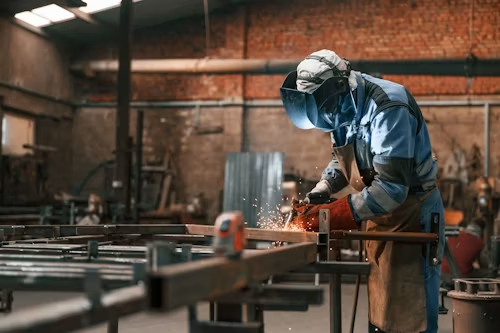
Every Application Demands Different Material Properties
The intended purpose of a fabricated product should always guide material selection. Metals that perform exceptionally well in one environment may not be suitable in another. A structural beam supporting a commercial building has very different requirements from a decorative architectural feature or a food-grade processing bench.
Before selecting a metal, consider how the finished product will be used throughout its service life. Will it carry heavy loads, experience constant movement, or remain exposed to harsh weather conditions? Will it require frequent cleaning, or must it meet industry regulations for hygiene and safety? Answering these questions helps narrow the most suitable material options before fabrication begins.
Choosing a metal without considering its working environment can lead to premature wear, corrosion, deformation, or unnecessary maintenance costs. Aligning material properties with operational demands creates a more reliable and longer-lasting fabricated product.
Comparing Common Metals Used in Fabrication
Mild Steel Offers Strength and Cost Efficiency
Mild steel remains one of the most widely used fabrication materials because it combines strength, versatility, and affordability. It is suitable for structural frameworks, machinery, industrial equipment, trailers, and general engineering applications.
Its excellent weldability and ease of machining make it a preferred choice for many fabrication projects. Mild steel can also be coated, galvanised, or painted to improve corrosion resistance when used outdoors or in demanding environments.
Although it performs well in many situations, untreated mild steel is susceptible to rust when exposed to moisture over long periods. Protective finishes significantly improve its lifespan and reduce maintenance requirements.
Stainless Steel Delivers Long-Term Corrosion Resistance
Stainless steel is selected when cleanliness, durability, and resistance to corrosion are essential. It performs exceptionally well in marine environments, food manufacturing facilities, hospitals, laboratories, and commercial kitchens where moisture and chemicals are common.
Its attractive appearance also makes it popular for architectural applications, handrails, balustrades, and decorative features. While stainless steel generally costs more than mild steel, its low maintenance requirements and extended service life often make it a worthwhile investment.
Different grades of stainless steel offer varying levels of corrosion resistance and mechanical strength. Selecting the appropriate grade ensures the fabricated product performs as expected under its intended operating conditions.
Aluminium Provides Lightweight Performance
Aluminium is valued for its excellent strength-to-weight ratio. It is significantly lighter than steel while still offering impressive structural performance for many applications. Industries including transport, aviation, marine, and construction frequently rely on aluminium to reduce overall weight without sacrificing functionality.
Its natural resistance to corrosion makes it particularly suitable for outdoor installations and coastal environments. Aluminium is also highly workable, allowing it to be cut, formed, and machined into complex shapes with relative ease.
Although aluminium is softer than many steel grades, selecting the appropriate alloy enables it to deliver outstanding durability for a wide range of fabrication projects.
Environmental Conditions Influence Material Performance
Exposure to Weather, Chemicals, and Temperature
The environment where a fabricated product will operate has a significant impact on the choice of metal. Materials that perform well indoors may deteriorate rapidly when exposed to rain, humidity, salt air, chemicals, or extreme temperatures. Selecting a metal that can withstand these conditions helps maintain structural integrity and appearance over time.
Projects located in coastal areas require particular attention because salt-laden air accelerates corrosion. Stainless steel and aluminium are often preferred for these environments due to their natural resistance to rust and oxidation. Industrial settings may expose fabricated components to chemicals or abrasive substances, making corrosion resistance equally important.
Temperature fluctuations also influence metal performance. Some metals expand and contract more than others, while prolonged exposure to high heat may affect strength and stability. Considering these environmental factors during the planning stage helps avoid premature failure and costly repairs.
Fabrication Methods Can Affect Material Selection
Matching the Metal to the Manufacturing Process
Not every metal responds the same way during fabrication. The chosen manufacturing process should complement the material to achieve accurate dimensions, clean finishes, and strong joints. Metals that are difficult to cut, bend, or weld may increase production time and overall project costs.
Mild steel is widely recognised for its excellent weldability and ease of forming, making it suitable for a broad range of fabrication techniques. Stainless steel requires greater precision during welding to maintain its corrosion-resistant properties, while aluminium demands specialised techniques because of its lower melting point and different thermal characteristics.
Understanding how a metal behaves during fabrication also influences the quality of the finished product. Proper material selection helps minimise distortion, reduces waste, and supports more efficient manufacturing from start to finish.
Balancing Initial Cost with Long-Term Value
Looking Beyond the Purchase Price
Material cost is an important consideration, but it should never be the only factor influencing a fabrication project. A lower-priced metal may appear attractive at the beginning, yet ongoing maintenance, repairs, or early replacement can result in much higher lifetime expenses.
Stainless steel, for example, often has a higher upfront cost than mild steel. However, its superior resistance to corrosion and reduced maintenance requirements may provide greater value over many years, particularly in demanding environments. Similarly, aluminium may offer operational savings through its lightweight properties, especially in transport applications where reducing weight improves efficiency.
Evaluating the total cost of ownership allows project managers to make informed decisions that balance budget limitations with long-term performance. Investing in the most suitable material often delivers greater reliability, improved safety, and reduced maintenance throughout the product’s service life.
Considering Maintenance and Service Life
Selecting a Metal That Supports Long-Term Performance
Every fabricated product is expected to perform reliably throughout its intended lifespan. Choosing a metal that aligns with maintenance expectations helps prevent unnecessary downtime, repair costs, and premature replacement. While some materials require regular protective treatments, others naturally resist corrosion and environmental wear with minimal upkeep.
For projects in commercial and industrial settings, reduced maintenance often translates into lower operating costs. Stainless steel typically requires little more than routine cleaning to maintain its appearance and corrosion resistance, while aluminium develops a natural oxide layer that protects it from further deterioration. Mild steel, although highly durable, generally benefits from protective coatings such as paint or galvanising to extend its service life in outdoor environments.
The expected lifespan of the finished product should always be considered alongside maintenance requirements. A material that performs consistently over many years can provide greater value than one with a lower purchase price but higher ongoing maintenance demands.
Working with Industry Standards and Compliance
Meeting Safety and Performance Requirements
Many fabrication projects must comply with industry standards, building regulations, or safety requirements. Selecting the appropriate metal helps ensure the finished product meets these expectations while delivering dependable performance in its intended application.
Industries such as construction, mining, manufacturing, food processing, and healthcare often have specific material requirements relating to strength, corrosion resistance, hygiene, or fire performance. Using metals that satisfy these standards reduces the risk of non-compliance and supports safe, reliable operation.
Compliance should also extend to fabrication quality. Proper material selection combined with accurate manufacturing processes contributes to products that meet engineering specifications, perform consistently, and withstand demanding operating conditions.
Making an Informed Decision Before Fabrication Begins
Planning Creates Better Project Outcomes
Choosing the right metal is one of the most important decisions made before fabrication begins. Evaluating factors such as structural requirements, environmental exposure, fabrication methods, maintenance expectations, and long-term costs provides a clear understanding of which material best suits the project.
Careful planning reduces the likelihood of unexpected challenges during manufacturing while improving the quality and longevity of the finished product. Every project has unique requirements, and selecting materials based on performance rather than assumptions leads to more reliable outcomes.
Working closely with experienced fabrication professionals during the planning stage allows potential issues to be identified early. Their technical knowledge can help match materials to specific applications, ensuring the finished product delivers the required balance of strength, durability, efficiency, and value.
Frequently Asked Questions
What is the most commonly used metal for fabrication projects?
Mild steel is one of the most commonly used metals because it offers excellent strength, affordability, and versatility. It is suitable for structural applications, machinery, and general fabrication, while protective coatings can improve its resistance to corrosion.
How do I know whether stainless steel or aluminium is the better option?
The decision depends on the project’s requirements. Stainless steel is ideal where maximum corrosion resistance, strength, and hygiene are essential. Aluminium is often preferred when reducing weight is important while still maintaining good durability and corrosion resistance.
Why is environmental exposure important when selecting a metal?
Environmental conditions directly affect how a metal performs over time. Moisture, salt air, chemicals, and temperature changes can accelerate corrosion or material deterioration. Choosing a metal suited to its operating environment helps maximise durability and minimise maintenance.
Conclusion
Selecting the right metal is a critical step that influences every stage of a fabrication project, from manufacturing efficiency to long-term performance. By carefully assessing the application’s structural demands, environmental conditions, fabrication methods, maintenance expectations, and compliance requirements, it becomes much easier to identify the material that offers the greatest value.
A well-informed choice not only improves the quality of the finished product but also contributes to greater durability, reliability, and cost efficiency throughout its service life.