

As families grow and lifestyles evolve, many homeowners look for ways to increase their living space without moving. Maximising space through home extensions offers an effective solution to accommodate changing needs.
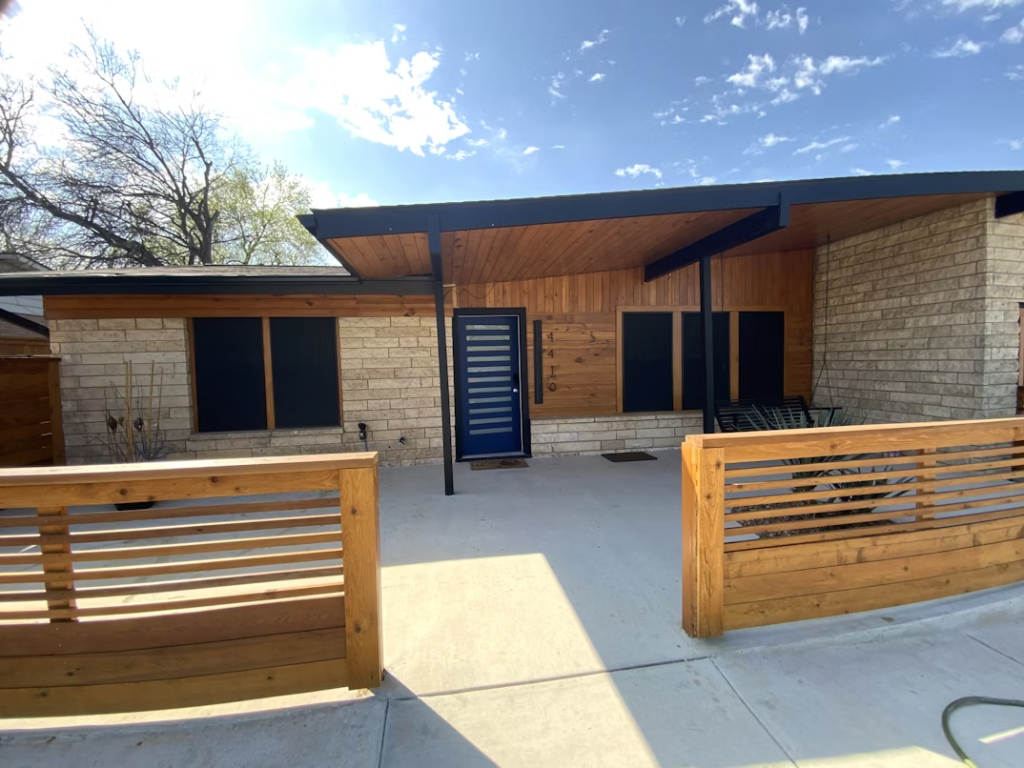
This article provides practical and innovative ideas for home extensions to help you get the most from your property. If you want to go further with your space planning, this guide covers options to suit various budgets and preferences.
Why Consider a Home Extension?
Benefits of Extending Your Home
Home extensions provide additional space tailored to your needs, helping you avoid the stress and costs of relocating. They can:
- Increase the value of your property.
- Provide extra rooms for growing families.
- Create specialised spaces like home offices or gyms.
- Improve the flow and functionality of existing rooms.
By extending, you retain the familiarity of your neighbourhood and avoid disruption to routines. In addition to practical benefits, extensions can breathe new life into an older home. A well-designed extension can update the look and feel of your property, making it more appealing and enjoyable to live in.
Many homeowners find that an extension offers an opportunity to bring more natural light into the home, add modern amenities, or improve energy efficiency with better insulation and windows.
Assessing Your Needs Before Extending
Before starting, evaluate your current and future requirements.
- How much extra space do you need?
- What rooms or functions are missing or cramped?
- What style and design complement your existing home?
- Are there local council regulations or restrictions?
Clear goals will help guide your extension plan and avoid costly mistakes.
Types of Home Extensions
Single-Storey Extensions
Single-storey extensions add ground-level space, often expanding kitchens, living rooms, or creating new bedrooms. They are usually simpler and quicker to build, with fewer structural complications.
- Ideal for creating open-plan areas.
- Easier access for all ages and mobility levels.
- Often blend seamlessly with existing structures.
These extensions are perfect for homeowners who want to extend their living areas without changing the overall height or appearance of their home significantly. They can provide space for a larger kitchen, additional bedroom, or a new family room.
Single-storey extensions also work well to enhance connections with outdoor spaces such as gardens or patios. Incorporating large sliding or bi-fold doors can create seamless transitions between indoors and outdoors, expanding usable living areas in warmer months.
Their design flexibility allows for a range of styles, from modern flat roofs to traditional pitched roofs that match the existing home.
Additionally, because they only involve work on one level, single-storey extensions tend to be more affordable and quicker to complete than multi-storey options.
Double-Storey Extensions
Double-storey extensions maximise space vertically by adding an extra floor. This type is suitable for limited land area or when a larger addition is needed.
- Provides more living space without sacrificing garden or outdoor areas.
- Can include additional bedrooms, bathrooms, or study areas.
- Requires careful design to integrate with the existing home.
Adding a second storey is an excellent way to increase floor space without expanding your home’s footprint. This option is particularly attractive on smaller lots where preserving outdoor space is a priority.
Double-storey extensions offer the potential to separate living zones—such as placing bedrooms upstairs and communal areas downstairs. This separation often appeals to families wanting privacy and quiet.
However, because double-storey extensions involve structural changes, the design process can be more complex. Architects and builders must ensure the new construction complements the existing home and meets council requirements.
Conservatories and Sunrooms
Conservatories or sunrooms add bright, versatile spaces ideal for relaxation or indoor gardening.
- Make use of natural light.
- Can be insulated and weatherproofed for year-round use.
- Serve as informal living areas or dining spaces.
These light-filled extensions create a connection to the outdoors while offering shelter from the weather. They work well as casual living spaces, dining rooms, or quiet retreats.
Modern conservatories often feature double glazing and insulated roofs, allowing comfortable use even in cooler months. They also add value by increasing living area without a full structural build. Careful design ensures they complement the home’s style and flow naturally from existing rooms.
Innovative Ideas for Maximising Space
Open-Plan Living Extensions
Open-plan living has become a popular way to maximise space. By removing walls or extending living areas, you create a more flexible and spacious environment.
- Combines kitchen, dining, and lounge into one area.
- Encourages family interaction and improves natural light flow.
- Can be customised with multifunctional furniture.
Open-plan extensions encourage fluid movement between rooms, creating the feel of a larger, more connected home. This style is perfect for modern lifestyles that favour socialising and flexibility. Large windows and doors can further enhance natural light, making the space feel bright and airy.
Using versatile furniture such as extendable tables, storage ottomans, and fold-away seating can adapt the space for different activities or guest numbers. Such extensions often become the heart of the home, suitable for cooking, dining, working, and relaxing in one area.
Incorporating Loft Conversions
Loft conversions are a clever way to add bedrooms, offices, or storage without expanding the home footprint.
- Utilises underused attic spaces.
- Often avoids the need for major structural changes.
- Adds value and functionality.
Loft conversions are especially useful in homes with limited outdoor space or strict planning restrictions. By transforming the attic, homeowners can add valuable living space such as a master suite, guest room, or study. Modern loft conversions incorporate skylights, insulation, and ventilation to ensure comfort.
Built-in storage solutions and smart layouts max imise usable space.Loft conversions are generally less disruptive than extensions but require careful planning to meet building codes.
Basement Extensions and Cellar Conversions
If your property has a basement or cellar, converting it into living space maximises useable area without extending outwards.
- Suitable for home gyms, media rooms, or extra bedrooms.
- Can include soundproofing and climate control.
- Requires attention to waterproofing and ventilation.
Using Modular and Prefabricated Extensions
Modular or prefabricated extensions offer fast, cost-effective ways to expand.
- Components are built off-site and assembled quickly.
- Can be customised to match existing styles.
- Reduce on-site disruption and waste.
Design Tips for Efficient Extensions
Maximise Natural Light
Maximising natural light enhances space perception and comfort.
- Use large windows, skylights, or glass doors.
- Consider light wells or reflective surfaces.
- Position rooms to capture morning or afternoon sun.
Use Multi-Functional Spaces
Designing multi-functional areas makes every square metre count.
- Incorporate built-in storage in seating or beds.
- Use fold-away furniture or partitions.
- Create flexible spaces adaptable to changing needs.
Blend Old and New Styles
A successful extension complements the existing home.
- Match rooflines, materials, and colours.
- Add subtle modern touches without clashing.
- Consult with architects for harmonious designs.
Planning and Approval Process
Understanding Local Regulations
Council approval is often required for home extensions.
- Check zoning laws and building codes.
- Be aware of height restrictions and setback requirements.
- Prepare detailed plans for submission.
Budgeting for Your Extension
Budget carefully to avoid overspending.
- Include costs for design, permits, construction, and landscaping.
- Allow a contingency fund for unexpected expenses.
- Compare quotes from multiple builders.
Working with Professionals
Engaging experienced architects, builders, and designers improves outcomes.
- They provide expertise on design, materials, and regulations.
- Help with permits and project management.
- Ensure quality and timely completion.
Maximising Outdoor Space with Extensions
Creating Indoor-Outdoor Flow
Extensions that open onto patios or gardens extend living space.
- Sliding or bi-fold doors create seamless transitions.
- Outdoor kitchens or dining areas enhance usability.
- Landscaping complements extension design.
Adding Decks and Verandas
Decks and verandas expand usable space without full construction.
- Provide shaded outdoor areas.
- Ideal for relaxing or social gatherings.
- Can be designed to suit any home style.
Utilising Vertical Gardens and Green Walls
Vertical gardens use outdoor walls to add greenery and improve aesthetics.
- Save horizontal space.
- Improve air quality and insulation.
- Add privacy and beauty.
Conclusion
Maximising space through home extensions offers homeowners flexibility and improved living conditions. From open-plan living to modular additions, these ideas can transform your home to meet evolving needs while maintaining style and value.
Proper planning, design, and professional advice are key to successful extensions that enhance your property for years to come.
Frequently Asked Questions
How long does a typical home extension take?
The timeframe varies by size and complexity but generally ranges from 3 to 6 months, including design, approvals, and construction.
Can I live in my home during the extension?
In many cases, yes, but it depends on the extent of works. Discuss with your builder about safety and access arrangements.
How do I ensure my extension adds value to my home?
Focus on quality design, integration with existing structures, and functional space improvements that appeal to buyers.