

Living in a small home doesn’t mean you have to sacrifice comfort or style. In fact, with the right design techniques, you can create a space that feels open, inviting, and functional. Maximising space in a smaller interior requires careful planning and thoughtful choices.
Whether you’re looking to make the most of a studio apartment or optimise a smaller family home, these essential tips will help you create a stylish and comfortable environment.
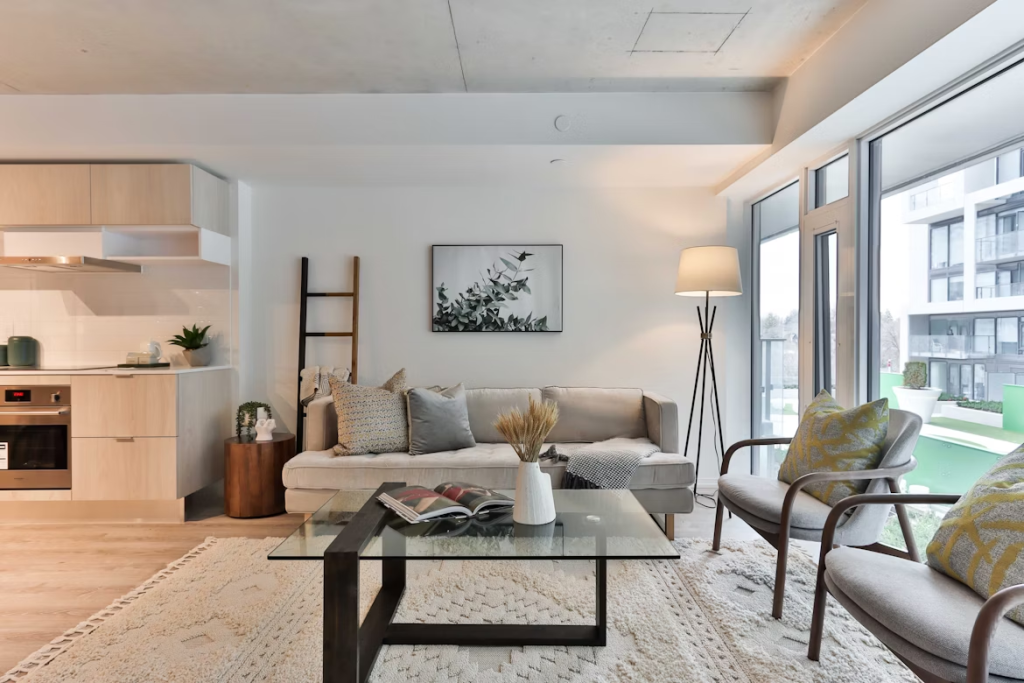
If you want more design inspiration and ideas, look at here now for additional tips and tricks to maximise your space.
1. Understand the Importance of Space Planning
Space planning is one of the most crucial aspects of designing a small home. By understanding how to arrange your furniture, make the best use of available storage, and incorporate the right décor, you can create a space that doesn’t feel cramped or cluttered.
Smart space planning can make a significant difference in how functional and comfortable your home feels.
Prioritise Functionality
When space is limited, it’s important to focus on functionality. Each piece of furniture should serve a purpose and work well in the space. This doesn’t mean you have to give up on style, but it’s essential that every element contributes to the overall functionality of the room.
Tips for Functional Design:
- Choose versatile furniture: Opt for furniture that can serve multiple purposes, such as a sofa bed or an expandable dining table.
- Consider traffic flow: Arrange furniture to allow for smooth movement and avoid blocking pathways or doorways.
- Use multi-purpose items: Incorporate furniture pieces with hidden storage or ones that can be used in multiple ways, such as ottomans that double as coffee tables.
Create Defined Zones
Even in a small home, creating distinct zones can make the space feel more organised. This is especially useful in open-plan living spaces where multiple functions take place in one room.
You can use rugs, furniture, and room dividers to delineate areas for dining, working, relaxing, and sleeping.
Creating Zones in Open Spaces:
- Rugs: Use rugs to visually separate areas, especially in open-plan spaces.
- Furniture arrangement: Arrange furniture in a way that defines each zone, such as placing a sofa to create a boundary between the living and dining areas.
- Room dividers: Consider using movable dividers or bookshelves to create separation without fully closing off a space.
2. Focus on Smart Storage Solutions
In a small home, clutter can quickly take over if you don’t have enough storage. The key to keeping your space tidy and organised is maximising storage without sacrificing aesthetics.
There are many clever storage solutions that can help you make the most of every inch of your home.
Use Vertical Space
One of the most underutilised areas in small homes is vertical space. Instead of limiting your storage to the floor, take advantage of walls and ceilings to store items or display décor. This will free up floor space and make your home feel less cluttered.
Vertical Storage Ideas:
- Wall-mounted shelves: Install shelves above desks, sofas, or beds to store books, plants, or decorative items.
- Hanging storage: Use hooks or pegs on the walls or behind doors to hang bags, coats, or accessories.
- Tall cabinets: Opt for tall storage cabinets that go all the way up to the ceiling, providing more storage without taking up additional floor space.
Make Use of Hidden Storage
Furniture with built-in storage is a great way to maximise space while maintaining a clean and minimal look. Hidden storage options are especially useful in rooms where space is tight, such as bedrooms, living rooms, and kitchens.
Hidden Storage Ideas:
- Storage beds: Choose beds with built-in drawers or lift-up platforms to store clothing, bedding, or other essentials.
- Under-sofa storage: Look for sofas or couches with hidden compartments where you can store extra pillows, blankets, or books.
- Storage ottomans: These multi-functional pieces can be used as seating or tables, while also providing hidden storage for items like magazines or remote controls.
Declutter Regularly
Regularly decluttering your home is an essential part of maintaining an organised space. In a small home, every item should have a designated place, and unnecessary items should be removed. It’s easy for small items to accumulate, so periodic decluttering is important.
Decluttering Tips:
- Go through items frequently: Set aside time every few months to assess what you really use and need.
- Use storage bins: Store seasonal items or items you don’t use regularly in storage bins or containers to keep them out of sight.
- Donate unused items: Be mindful of things that are no longer useful or needed, and donate or sell them to create more space.
3. Choose the Right Furniture for a Small Space
The furniture you choose can have a significant impact on the feeling of space and comfort in your home. For small interiors, it’s best to select pieces that are proportional to the room size and offer practical solutions without overwhelming the space.
Opt for Compact Furniture
Large furniture can dominate a small space and make it feel cramped. Instead, choose smaller, more compact pieces that fit the proportions of your room.
Compact Furniture Options:
- Slim-profile sofas: Look for couches with sleek lines and thinner arms to save space without compromising comfort.
- Smaller dining tables: Opt for a round or square dining table that can seat four people comfortably without taking up too much space.
- Space-saving chairs: Choose lightweight, stackable chairs that can be easily stored away when not in use.
Prioritise Multi-Functional Furniture
In a small home, furniture that can serve more than one function is invaluable. These pieces can help you make the most of your space while still providing the comfort and functionality you need.
Multi-Functional Furniture Ideas:
- Sofa beds: Perfect for accommodating guests, a sofa bed can easily transform into a comfortable sleeping area.
- Foldable tables and chairs: These items can be tucked away when not in use, freeing up space for other activities.
- Storage benches: A bench with hidden storage is ideal for storing shoes, toys, or other essentials while also serving as extra seating.
Keep Furniture Low and Light
Low-profile furniture can help create the illusion of more space, making the room feel airier and more open. Additionally, light-coloured furniture can reflect more light and make a small space feel larger.
Low and Light Furniture Tips:
- Low-slung sofas: A low-profile sofa can make your living room feel more expansive by giving the room a sense of openness.
- Light wood or white furniture: Opt for furniture made from light materials, such as pale wood or white metal, to keep the space feeling light and airy.
- Transparent furniture: Consider furniture with glass or acrylic elements, such as coffee tables or chairs, to reduce visual clutter.
4. Use Light and Colour to Create the Illusion of Space
Light and colour play a crucial role in making a small space feel larger and more inviting. By strategically using light and colour, you can enhance the perception of space and add warmth to your home.
Maximise Natural Light
Natural light can make even the smallest space feel more expansive. Use window treatments that allow light to flow freely into your home and create a bright, welcoming atmosphere.
Tips for Maximising Natural Light:
- Sheer curtains: Use sheer or light-coloured curtains to allow as much light in as possible while maintaining privacy.
- Mirrors: Strategically place mirrors on walls to reflect natural light, making the room feel brighter and more spacious.
- Minimal window coverings: Opt for minimal or no window coverings in rooms where privacy is not a concern.
Choose Light Colours for Walls and Floors
Light colours make a room feel more open and airy. Stick to soft shades of white, beige, or light grey for walls, floors, and ceilings to create a sense of space.
Colour Tips:
- White and light neutrals: These colours reflect light, making the room feel larger and brighter.
- Pale pastels: Soft shades of blue, green, or pink can add a touch of colour while still keeping the space feeling open and calm.
- Contrasting accents: Use darker accents for furniture, rugs, and décor to create contrast and define different areas within the space.
Conclusion
Maximising space and comfort in a small home requires thoughtful design choices that prioritise functionality, organisation, and aesthetic appeal.
By carefully planning your layout, selecting the right furniture, and using clever storage solutions, you can create a home that feels spacious, comfortable, and stylish.
Whether you’re working with a studio apartment or a small family home, these essential tips will help you make the most of your space without sacrificing comfort or style.
Frequently Asked Questions
How do I make my small home feel bigger?
Maximise light, choose furniture that fits the space, and use neutral colours. Mirrors and clever furniture arrangements can also create the illusion of more space.
What type of furniture is best for small spaces?
Compact, multi-functional furniture works best in small spaces. Look for pieces like sofa beds, foldable tables, and storage ottomans.
How can I maximise storage in a small home?
Use vertical space with wall-mounted shelves, opt for furniture with hidden storage, and declutter regularly to keep things organised and tidy.