

A soakwell is an essential part of managing stormwater runoff around your home. It helps prevent flooding, protects your foundation, and ensures that excess rainwater is absorbed into the ground.
To keep your soakwell functioning efficiently, it requires regular maintenance. Without proper care, its performance can deteriorate, leading to water damage or even system failure.
This article provides practical tips on how to maintain your soakwell for optimal performance, ensuring that it continues to protect your property.
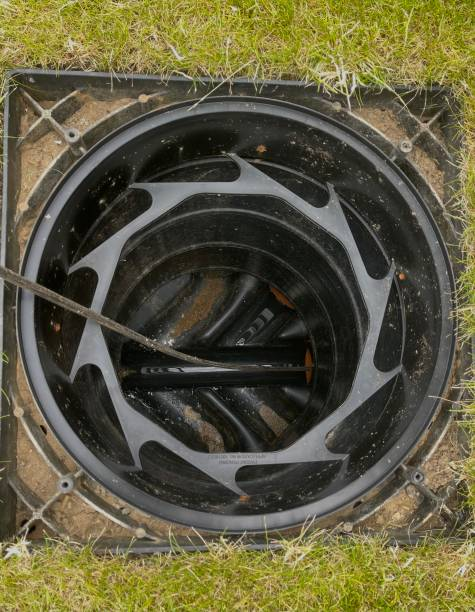
If you have recently had a soakwell installation Perth or are considering installing one, it is essential to understand the importance of maintenance. Regular inspections and care can significantly extend the life of your soakwell system and save you money on costly repairs.
Why Soakwell Maintenance Is Important
1. Ensures Proper Functioning
Soakwells are designed to absorb excess water, reducing the risk of flooding around your home. Over time, debris, dirt, and sediment can accumulate, affecting the soakwell’s ability to function properly.
Regular maintenance ensures that the soakwell can continue to manage stormwater efficiently.
2. Prevents Clogging and Blockages
One of the most common issues with soakwells is the accumulation of debris in the system, which can block the flow of water. If left unchecked, blockages can lead to water pooling around your foundation, resulting in flooding and potential damage to your property.
3. Extends the Lifespan of the Soakwell
A well-maintained soakwell can last for many years, whereas one that is neglected may deteriorate more quickly. By performing routine inspections and cleaning, you can ensure that your soakwell lasts as long as possible and continues to provide reliable service.
How to Maintain Your Soakwell
1. Inspect the Soakwell Regularly
Regular inspections are essential to ensure that your soakwell is functioning properly. At least once or twice a year, take the time to examine the system for signs of damage, blockages, or wear. Inspections should be carried out more frequently after heavy storms or periods of intense rainfall.
What to Look for During an Inspection:
Visible Blockages
Check for any visible signs of debris, such as leaves, branches, or dirt, around the inlet and outlet pipes.
Signs of Cracks or Damage
Inspect the soakwell structure for any cracks or damage. Over time, soakwells can become weakened due to the pressure of the surrounding soil or extreme weather conditions.
Pooling Water
After a heavy rain, check for any pooling water around the soakwell. Pooling could indicate that the soakwell is clogged or damaged and may require cleaning or repairs.
2. Clean the Soakwell Inlet and Outlet
The inlet and outlet pipes of your soakwell are critical for the proper flow of water into and out of the system. Over time, leaves, dirt, and debris can build up in these pipes, leading to blockages. Regular cleaning of these components is essential to ensure the soakwell works efficiently.
Cleaning Steps:
Remove Debris from the Inlet
Check the area around the inlet pipe for any visible debris such as leaves, sticks, or soil. Clear away any obstructions to ensure water can flow freely into the soakwell.
Clean the Outlet Pipe
Similarly, inspect the outlet pipe and remove any debris. Make sure that water can flow out of the soakwell without obstruction.
Flush the Pipes
After clearing the debris, use a garden hose to flush out the pipes. Running water through the system helps remove smaller particles that may have accumulated.
3. Check the Soakwell’s Surrounding Area
The area around the soakwell plays a vital role in its performance. If the surrounding soil is compacted or waterlogged, it can reduce the soakwell’s ability to absorb water. It is important to monitor the surrounding area and take corrective action when necessary.
Key Areas to Monitor:
Soil Erosion
Check for signs of erosion around the soakwell, especially after heavy rain. Soil erosion can expose the soakwell or reduce its effectiveness in absorbing water.
Vegetation Growth
Keep an eye on vegetation growing near the soakwell. Overgrown roots can invade the system and cause blockages or structural damage. Trim back any plants or trees that are growing too close to the soakwell.
Water Runoff
Ensure that water is draining away from the soakwell rather than pooling around it. Excess water near the soakwell can lead to soil saturation, reducing its ability to absorb water.
4. Clear the Area of Debris
Debris, such as leaves, twigs, and dirt, can accumulate on top of the soakwell or around the inlet. Over time, this debris can clog the system and prevent water from flowing into the soakwell efficiently.
It’s important to keep the surrounding area clear of debris to maintain optimal performance.
Cleaning Tips:
Clear Debris After Storms
After every storm, check the area around the soakwell and clear any debris that may have collected.
Use a Leaf Blower or Rake
A leaf blower or rake can help remove debris from the ground surrounding the soakwell. Be careful not to damage any pipes or components while cleaning.
Cover the Soakwell
If necessary, install a protective cover or grate over the inlet to prevent large debris from entering the system. Make sure the cover does not impede water flow.
5. Perform a Water Test
After cleaning and clearing the system, it’s important to test the soakwell to ensure it is working properly. Performing a water test will help you identify any issues with the system’s performance before they become significant problems.
Steps for Testing:
Fill the Soakwell with Water
Use a garden hose to fill the soakwell with water. Monitor the water level to ensure it is draining properly into the surrounding soil.
Observe the Drainage
Pay attention to how quickly the water is absorbed. If the water drains slowly or pools around the soakwell, it may indicate that the system is clogged or the soil is too compacted.
Look for Leaks
Check the soakwell structure and pipes for any leaks during the water test. Leaking water can indicate cracks or other issues that need to be addressed.
6. Repair Any Issues Promptly
If you notice any signs of damage or reduced performance during your inspection or water test, it is important to address the issue promptly. Neglecting necessary repairs can lead to larger problems down the line, including flooding and structural damage.
Common Issues to Repair:
Cracked Soakwell
If you discover cracks in the soakwell, it may need to be replaced or repaired to restore its effectiveness.
Clogged Pipes
Clogged pipes can be cleaned with a plumbing snake or by hiring a professional to clear the blockage.
Leaking Joints
Leaking joints in the pipes or around the soakwell can be sealed with silicone or replaced to prevent water loss.
Professional Assistance vs DIY Maintenance
While regular DIY maintenance can keep your soakwell functioning optimally, some issues may require professional assistance. Hiring a professional for more complex repairs or when the soakwell is damaged beyond simple fixes is often a good idea.
When to Hire a Professional:
Structural Damage
If your soakwell has significant cracks or is damaged beyond repair, it may need to be replaced by a professional.
Severe Blockages
If you are unable to clear blockages on your own or the blockage is deep within the system, professional plumbers can assist with high-pressure cleaning or repairs.
Inspection of Large Systems
For larger soakwell systems or systems integrated into complex drainage systems, it’s recommended to have a professional inspection to ensure everything is functioning as it should.
Conclusion
Proper maintenance of your soakwell is essential for ensuring that it continues to perform effectively in managing stormwater runoff.
Regular inspections, cleaning, and addressing any issues promptly will help your soakwell last longer and prevent potential flooding or water damage to your property.
By following the tips outlined in this article, you can keep your soakwell in optimal condition and continue to protect your home from the damaging effects of excess water.
Whether you choose to handle maintenance yourself or hire a professional, maintaining your soakwell is key to its longevity and performance.
Frequently Asked Questions
How often should I clean my soakwell?
It is recommended to clean your soakwell at least once or twice a year, but you may need to clean it more frequently during periods of heavy rainfall or after large storms. Regular cleaning prevents blockages and ensures that the system functions efficiently.
How can I prevent debris from entering my soakwell?
You can prevent debris from entering your soakwell by installing a protective grate or cover over the inlet. Additionally, regularly clearing the area around the soakwell and trimming plants can help reduce the amount of debris that accumulates.
What should I do if my soakwell is draining slowly?
If your soakwell is draining slowly, it may be clogged or surrounded by compacted soil. Try cleaning the inlet and outlet pipes, and perform a water test to check for blockages. If the issue persists, you may need to hire a professional to inspect and clean the system.