

Vehicle functionality has evolved far beyond simple transportation. For many tradespeople, contractors and fleet operators, a ute or truck is a fully equipped mobile workspace designed to carry tools, machinery and essential equipment safely from one job site to another.
One of the most important components that transforms an ordinary vehicle into a practical work solution is the service body. Yet despite how common they are across industries, many people still ask the same question: what does “service body” actually mean?
A service body is a specially designed storage and utility structure mounted onto the chassis of a work vehicle. Unlike standard trays or open cargo beds, service bodies are engineered to provide organised compartments, secure storage and customised workspace features for commercial use.
They are commonly seen on utility vehicles used in construction, electrical work, plumbing, mining, telecommunications and field maintenance operations throughout Australia.
Service body solutions are now becoming an essential investment for businesses wanting to improve productivity, equipment protection and workplace safety. Rather than relying on makeshift storage or overcrowded trays, modern service bodies allow workers to transport specialised gear in a more organised and efficient manner.
This shift has changed how mobile trades operate, especially in industries where time management and equipment accessibility directly affect profitability.
Understanding the role of a service body involves more than simply recognising its appearance. These vehicle systems are designed around workflow efficiency, operational safety and long-term durability. From heavy-duty steel builds to lightweight aluminium designs, service bodies have become one of the most practical upgrades available for commercial vehicles in Australia.
The True Meaning Behind a Service Body
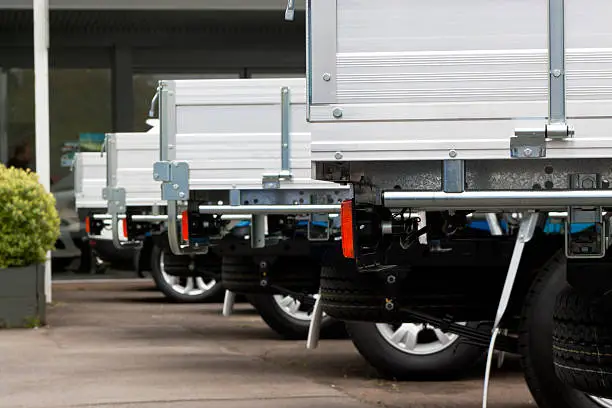
A service body is essentially a modular storage system permanently mounted to a utility vehicle or truck chassis. It replaces or enhances the standard tray setup by incorporating enclosed compartments, lockable cabinets, shelving systems and tool storage solutions. The design focuses on improving accessibility while protecting valuable equipment from weather, theft and workplace damage.
Unlike standard cargo trays that leave tools exposed, service bodies provide structured storage with designated spaces for equipment, consumables and work materials. This arrangement helps workers locate items quickly while reducing clutter and minimising the risk of lost or damaged tools.
Why Service Bodies Exist
Service bodies were developed to meet the growing demand for mobile workspaces across industrial sectors. Tradespeople and field technicians often carry hundreds of tools, spare parts and specialised machinery every day. Without organised storage, productivity can decline due to wasted time searching for equipment or replacing damaged items.
The primary purpose of a service body is to transform a vehicle into a functional extension of the workplace. By creating an organised environment, workers can operate more efficiently while maintaining better inventory control and safety standards.
Industries That Commonly Use Service Bodies
Service bodies are widely used throughout industries that rely on mobile operations. Electricians often require lockable compartments for expensive diagnostic equipment and cabling supplies. Plumbers need space for fittings, piping tools and emergency repair kits. Mining and construction companies use service bodies to carry heavy-duty equipment into remote locations.
Telecommunications technicians, mechanics and utility maintenance crews also rely heavily on customised service body systems. Each industry benefits from tailored layouts that improve workflow and equipment management.
Difference Between a Service Body and a Standard Tray
Although trays and service bodies may appear similar at first glance, they serve very different purposes. A standard tray is generally designed for open-load transport, allowing users to carry bulky materials or oversized items. However, it offers limited organisation and minimal security.
A service body, on the other hand, focuses on structured storage and accessibility. Enclosed compartments, internal shelving and integrated locking systems create a secure environment for tools and specialised equipment. This distinction makes service bodies far more practical for trade and service industries.
Customisation Options Available
Modern service bodies can be highly customised depending on business requirements. Some include ladder racks, slide-out drawers, refrigeration units or integrated workbenches. Others feature advanced electrical systems, lighting packages or compressor storage for mobile workshops.
This level of flexibility allows businesses to design vehicle setups that directly support daily operational needs rather than relying on generic configurations.
How Service Bodies Improve Workplace Efficiency
Efficiency is one of the biggest reasons businesses invest in service bodies. Time wasted searching for tools or reorganising equipment can significantly affect productivity over weeks, months and years. A properly designed service body streamlines workflow by ensuring everything has a designated place.
Workers operating from organised vehicles are often able to complete jobs faster while reducing unnecessary downtime. This directly impacts customer satisfaction, scheduling and overall profitability.
Faster Access to Equipment
Service bodies allow technicians to retrieve tools quickly without unloading multiple items to reach what they need. Compartments can be arranged according to usage frequency, helping workers access commonly used equipment within seconds.
This improved accessibility becomes especially important during emergency repairs or time-sensitive service calls where efficiency directly affects outcomes.
Better Tool Protection
Tools and machinery represent a significant financial investment for many tradespeople. Exposure to rain, dust and impact damage can shorten equipment lifespan and increase replacement costs. Service bodies help protect valuable tools through enclosed storage compartments and weather-resistant construction.
Secure storage also reduces the likelihood of equipment shifting during transit, which can damage sensitive instruments or create safety hazards.
Improved Inventory Management
Organised storage systems make inventory tracking far easier. Workers can quickly identify missing items before leaving a worksite, reducing costly return trips. Some advanced service bodies even incorporate digital inventory systems or labelled compartment layouts to improve accountability.
This level of organisation supports smoother workflow management and helps maintain operational consistency across teams and fleets.
Reduced Vehicle Clutter
Loose tools and materials inside a vehicle create both safety and efficiency problems. Cluttered trays can slow down work processes while increasing the risk of injury during loading and unloading.
Service bodies eliminate unnecessary clutter by providing structured storage zones for different equipment categories. This cleaner setup contributes to a safer and more professional working environment.
Materials and Construction Used in Service Bodies
The durability and performance of a service body depend heavily on the materials used during construction. Australian working conditions can be harsh, especially in mining, construction and regional industries where vehicles face extreme weather and rough terrain daily.
Manufacturers typically focus on balancing strength, corrosion resistance and vehicle weight when designing service bodies.
Steel Service Bodies
Steel remains one of the most common materials used in heavy-duty service body construction. It offers exceptional strength and impact resistance, making it suitable for industries involving rugged environments or heavy equipment transport.
However, steel bodies are generally heavier than aluminium alternatives, which can affect payload capacity and fuel consumption. Proper corrosion protection is also important to prevent rust development over time.
Aluminium Service Bodies
Aluminium service bodies have become increasingly popular due to their lightweight properties and corrosion resistance. Reducing vehicle weight can improve fuel efficiency while increasing legal payload capacity.
These bodies are particularly beneficial for businesses wanting durability without placing excessive strain on suspension systems or vehicle performance. Aluminium also performs well in coastal or humid Australian conditions, where corrosion can become a major issue.
Powder-Coated Finishes
Many service bodies feature powder-coated finishes for additional protection and visual appeal. Powder coating helps prevent scratches, rust and environmental damage while creating a professional appearance.
This finish is especially useful for commercial fleets that require consistent branding and long-term durability under demanding operating conditions.
Structural Reinforcement Features
Modern service bodies often include reinforced flooring, heavy-duty hinges and strengthened compartment doors to handle continuous daily use. These reinforcements improve longevity while maintaining secure operation under heavy loads.
Quality construction is critical because service bodies must withstand constant vibration, impact and environmental exposure throughout their service life.
The Safety Benefits of Service Bodies
Safety plays a major role in the design and use of service bodies. Poorly stored tools or unsecured equipment can create dangerous conditions for both drivers and workers. By improving organisation and load security, service bodies contribute significantly to safer work practices.
Australian workplace regulations increasingly emphasise vehicle safety and proper equipment handling, making service bodies a practical compliance solution for many businesses.
Securing Equipment During Transit
Unsecured tools can become dangerous projectiles during sudden braking or collisions. Service bodies provide enclosed compartments and locking mechanisms that keep equipment securely in place while driving.
This reduces injury risks and helps protect expensive tools from impact damage caused by movement inside the vehicle.
Reducing Manual Handling Injuries
Repeated lifting and awkward reaching can contribute to workplace injuries over time. Service bodies help minimise these risks by improving accessibility and reducing the need to climb into trays or shift heavy items unnecessarily.
Features such as slide-out drawers and ergonomic shelving layouts support safer loading and unloading practices.
Enhanced Site Security
Tool theft is a serious issue across many Australian industries. Service bodies provide lockable storage compartments that help protect valuable equipment when vehicles are unattended.
Some systems also incorporate central locking, alarm integration or reinforced compartment designs for additional security protection.
Better Load Distribution
Properly designed service bodies improve weight distribution across the vehicle chassis. Balanced loading contributes to safer handling, improved braking performance and reduced wear on suspension components.
This becomes especially important for vehicles carrying heavy tools or operating regularly in off-road conditions.
Choosing the Right Service Body for Your Needs
Selecting the right service body depends on operational requirements, industry demands and vehicle specifications. Businesses should consider both current needs and future expansion when evaluating different configurations.
A poorly chosen setup can limit efficiency, reduce payload capacity or create unnecessary operational challenges.
Assessing Daily Equipment Requirements
Understanding what tools and materials need to be transported each day is the first step in choosing an appropriate service body. Different trades require vastly different storage layouts and compartment sizes.
Careful planning ensures the final design supports workflow efficiency rather than creating space limitations.
Considering Vehicle Compatibility
Not all service bodies suit every vehicle platform. Weight ratings, chassis dimensions and suspension capabilities must all be considered during the selection process.
Choosing a compatible design helps maintain vehicle safety, performance and legal compliance under Australian road regulations.
Evaluating Long-Term Durability
Commercial vehicles often operate under demanding conditions for many years. Investing in durable construction materials and quality hardware can reduce maintenance costs and extend service life significantly.
Businesses should evaluate factors such as corrosion resistance, hinge quality and structural reinforcement before purchasing.
Working With Experienced Manufacturers
Experienced manufacturers understand how to design service bodies that meet industry-specific requirements while complying with Australian standards. Customisation expertise also ensures businesses receive practical solutions tailored to real operational needs.
Working with reputable suppliers can improve both reliability and long-term return on investment.
Frequently Asked Questions
What is the main purpose of a service body?
The main purpose of a service body is to provide organised, secure and weather-protected storage for tools, equipment and work materials on commercial vehicles. It transforms a standard vehicle into a functional mobile workspace designed for trade and service industries.
Are service bodies only used on trucks?
No. Service bodies are commonly installed on utes, light commercial vehicles and larger trucks. The size and design vary depending on the vehicle type and industry requirements.
Which material is better for a service body: steel or aluminium?
Both materials offer different advantages. Steel provides greater strength for heavy-duty applications, while aluminium offers lighter weight and better corrosion resistance. The ideal choice depends on operational needs, payload requirements and environmental conditions.
Conclusion
Service bodies have become an essential part of modern commercial vehicle design, particularly for industries relying on mobile operations and efficient equipment management. Far more than simple storage systems, they provide structured organisation, improved safety and enhanced productivity for businesses across Australia.
As industries continue to demand faster response times and greater operational efficiency, the importance of practical vehicle setups will only continue to grow. Whether used by electricians, plumbers, mining crews or maintenance technicians, service bodies represent a long-term investment in workflow improvement, equipment protection and professional performance.