

Interior wall finishes play a major role in shaping the atmosphere, style, and overall visual quality of a home. While paint and tiles remain common surface options, many Melbourne homeowners are now turning toward decorative plaster finishes to create more luxurious, textured, and visually distinctive interiors.
Among these premium finishes, Venetian plaster has become increasingly popular because it combines artistic craftsmanship, natural texture, smooth movement, and long-lasting durability in one elegant surface treatment. From contemporary homes and luxury apartments to restaurants, bathrooms, offices, and boutique commercial spaces, Venetian plaster is now widely used throughout Melbourne to create interiors that feel refined, modern, and architecturally unique.
Venetian plaster is a decorative wall and ceiling finish created by applying multiple thin layers of plaster using specialised trowel techniques. The result is a polished, textured, or marble-like appearance that adds depth, softness, and movement to interior surfaces.
Unlike flat painted walls, Venetian plaster creates subtle variations in colour and texture that interact beautifully with natural and artificial lighting. Because each application is handcrafted, no two Venetian plaster surfaces look the same, which gives homes and commercial interiors a more custom and artistic appearance.
One of the most common questions homeowners ask when comparing wall finishes is: Is Venetian plaster cheaper than tiling? The answer depends on several factors, including the size of the project, material selection, installation complexity, labour costs, and the type of tiles being compared. In some situations, Venetian plaster can be more affordable than premium tile installations, especially when covering large wall areas without complicated cutting or grout work.
However, highly specialised Venetian plaster finishes may also cost more than standard tiling due to the craftsmanship and labour involved. The overall value often depends not only on initial installation costs but also on aesthetics, maintenance requirements, durability, and long-term design appeal.
Melbourne homeowners increasingly choose Venetian plaster because it offers a softer, more seamless appearance compared to tiled surfaces. It also supports minimalist design trends while creating sophisticated textures that feel warm, natural, and luxurious. In bathrooms, living rooms, kitchens, hallways, and feature walls, Venetian plaster delivers a refined finish that stands out from conventional painted surfaces.
This article explores Venetian Plaster Melbourne in detail, explains how Venetian plaster compares with tiling, discusses installation methods and design styles, and highlights the aesthetic, functional, and long-term benefits of decorative plaster finishes in modern interiors.
Why Venetian Plaster Has Become Popular in Melbourne
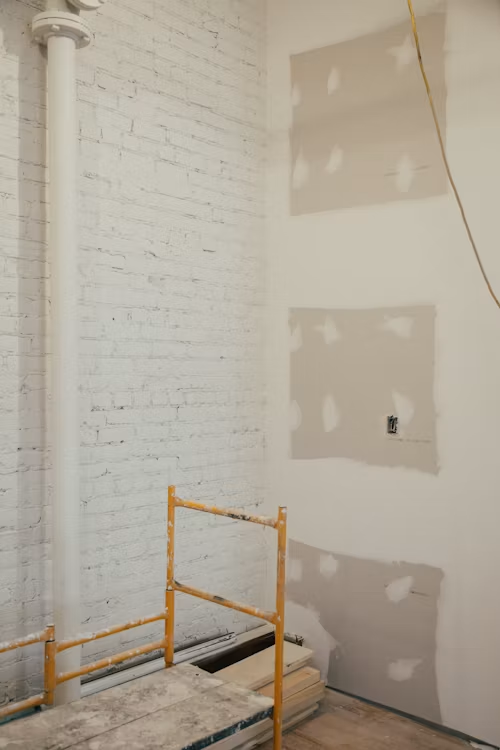
Modern interior design trends increasingly focus on texture, natural materials, and seamless architectural finishes. Homeowners are moving away from plain painted walls and searching for surfaces that feel more customised and visually interesting without appearing overly decorative.
Venetian plaster has gained popularity because it creates elegant movement and depth within walls while maintaining a clean and sophisticated appearance. Unlike heavily patterned surfaces, Venetian plaster offers a subtle texture that complements both minimalist and luxury interior styles.
Another reason for its growing popularity is versatility. Venetian plaster can be applied in contemporary apartments, traditional homes, luxury bathrooms, commercial interiors, restaurants, and feature walls. Different application techniques create finishes ranging from smooth, polished marble effects to soft matte textures.
Many Melbourne homeowners also appreciate the handcrafted nature of Venetian plaster. Since every wall is finished manually by skilled artisans, the final appearance feels more exclusive and architecturally unique than standard painted or tiled surfaces.
Durability and low-maintenance appeal also contribute to its popularity. Properly sealed Venetian plaster surfaces resist moisture, ageing, and surface wear while remaining visually attractive for many years.
Understanding Venetian Plaster Finishes
Venetian plaster is a decorative plastering technique designed to create textured and polished wall surfaces.
Multi-Layer Application Process
Thin plaster layers create depth and visual movement.
Handcrafted Decorative Finish
Each surface is individually applied by skilled plasterers.
Marble-Like Surface Appearance
Polished finishes often resemble natural stone textures.
Flexible Interior Design Applications
Venetian plaster suits both modern and classic interiors.
Is Venetian Plaster Cheaper Than Tiling
The cost comparison depends on materials, labour, and project complexity.
Large Wall Areas May Reduce Costs
Venetian plaster can sometimes cost less than premium wall tiling.
Labour Requirements Affect Pricing
Highly specialised plaster finishes require skilled craftsmanship.
Premium Tile Installations Can Be Expensive
Complex tiling patterns often increase installation costs significantly.
Long-Term Maintenance Considerations
Venetian plaster may require less grout maintenance than tiles.
Venetian Plaster vs Traditional Wall Paint
Venetian plaster creates a very different visual experience compared to paint.
Increased Texture and Depth
Plaster surfaces create movement and dimension within walls.
Softer and More Natural Appearance
Decorative plaster often feels warmer than flat paint finishes.
Greater Luxury Appeal
Venetian plaster contributes to high-end interior aesthetics.
Customised Surface Variations
Handcrafted finishes create unique wall patterns naturally.
Venetian Plaster vs Tiled Surfaces
Both finishes offer advantages depending on the space and design goals.
Seamless Wall Appearance
Venetian plaster eliminates visible grout lines.
Easier Visual Continuity
Continuous surfaces create cleaner architectural flow.
Tiling Offers Strong Water Resistance
Tiles remain highly practical in heavy moisture environments.
Venetian Plaster Provides Softer Texture
Decorative plaster creates more organic interior finishes.
Common Types of Venetian Plaster Finishes
Different application techniques produce different visual effects.
Polished Venetian Plaster
Smooth, glossy surfaces resemble polished marble.
Matte Venetian Plaster
Soft finishes create understated elegance.
Textured Decorative Plaster
Layered textures add movement and artistic detail.
Metallic and Modern Finishes
Special additives create reflective contemporary surfaces.
Venetian Plaster Applications in Melbourne Homes
Decorative plaster works well across many residential spaces.
Living Room Feature Walls
Textured surfaces create sophisticated focal points.
Bathroom Wall Finishes
Water-resistant systems support luxury bathroom designs.
Kitchen Splashback Alternatives
Venetian plaster offers seamless kitchen wall finishes.
Hallways and Entry Areas
Decorative plaster improves first impressions significantly.
Bathroom Venetian Plaster Installations
Bathrooms remain one of the most popular spaces for Venetian plaster.
Spa-Like Interior Appearance
Plaster creates calm and luxurious environments.
Reduced Grout Maintenance
Seamless walls eliminate many grout cleaning concerns.
Moisture-Resistant Finishes
Proper sealing improves durability in humid areas.
Contemporary Minimalist Design
Venetian plaster supports clean architectural aesthetics.
Kitchen Venetian Plaster Designs
Decorative plaster increasingly appears in modern kitchens.
Splashback Feature Walls
Plaster creates seamless visual continuity.
Soft Texture and Warmth
Decorative finishes reduce the harshness of hard surfaces.
Contemporary Architectural Appeal
Modern kitchens benefit from textured wall surfaces.
Coordinated Interior Design
Venetian plaster blends well with stone and timber materials.
Commercial Venetian Plaster Applications
Commercial interiors increasingly use decorative plaster finishes.
Restaurants and Hospitality Venues
Venetian plaster creates sophisticated customer environments.
Luxury Retail Spaces
Textured finishes improve visual branding and presentation.
Boutique Office Interiors
Decorative plaster supports premium workplace design.
Hotel and Reception Areas
Elegant surfaces improve first impressions significantly.
Materials Used in Venetian Plaster
Material quality strongly affects durability and appearance.
Lime-Based Plaster Systems
Traditional Venetian plaster often uses lime compounds.
Marble Dust Additives
Marble particles enhance texture and depth.
Natural Pigments and Colouring
Custom pigments create unique finishes.
Protective Sealers and Waxes
Sealers improve durability and moisture resistance.
The Venetian Plaster Installation Process
A professional application requires patience and precision.
Surface Preparation
Walls must remain smooth and structurally stable.
Base Layer Application
The first coat establishes adhesion and consistency.
Layer Building Techniques
Multiple layers create texture and visual depth.
Polishing and Finishing Procedures
Final polishing enhances colour movement and shine.
Why Professional Venetian Plaster Installers Matter
Decorative plaster requires specialised craftsmanship.
Consistent Surface Quality
Experienced plasterers create smoother and more balanced finishes.
Proper Product Knowledge
Different surfaces require different plaster systems.
Moisture and Durability Expertise
Correct sealing improves long-term performance.
Custom Design Capabilities
Professionals create tailored finishes for each project.
Factors That Affect Venetian Plaster Costs
Several elements influence installation pricing.
Wall Size and Surface Area
Larger projects require more materials and labour.
Finish Complexity
Highly polished finishes increase labour time.
Surface Preparation Requirements
Damaged walls may require additional repairs.
Material Selection
Premium lime plasters and pigments increase costs.
Accessibility and Ceiling Height
Difficult work areas increase installation complexity.
Benefits of Venetian Plaster in Modern Interiors
Decorative plaster offers both visual and practical advantages.
Luxurious Architectural Appearance
Textured walls create elegant interiors naturally.
Long-Term Durability
Properly sealed plaster performs well over time.
Seamless Wall Finishes
Continuous surfaces improve visual flow significantly.
Unique Handcrafted Character
No two Venetian plaster walls appear exactly alike.
Common Mistakes With Decorative Plaster Projects
Poor planning can affect final results significantly.
Choosing Inexperienced Installers
Decorative plaster requires specialised skills and training.
Skipping Proper Surface Preparation
Uneven walls affect finish quality noticeably.
Using Low-Quality Materials
Cheap products may crack or discolour later.
Ignoring Moisture Protection
Bathrooms require appropriate sealing systems.
Venetian Plaster Maintenance and Care
Proper care helps preserve decorative finishes long-term.
Gentle Cleaning Methods
Soft cleaning products help avoid surface damage.
Avoiding Abrasive Chemicals
Harsh cleaners may affect sealers and colour finishes.
Periodic Sealing Maintenance
Protective coatings may require occasional renewal.
Quick Repair of Surface Damage
Early repairs prevent larger restoration work later.
Venetian Plaster and Property Value
Premium finishes can improve overall property presentation.
Luxury Interior Appeal
Decorative walls contribute to upscale aesthetics.
Distinctive Architectural Character
Custom finishes help homes stand out visually.
Modern Design Alignment
Venetian plaster suits current luxury design trends.
Improved Buyer Impressions
Elegant interiors often attract stronger market interest.
Future Trends in Venetian Plaster Melbourne
Decorative finishes continue evolving alongside modern architecture.
Minimalist Textured Interiors
Soft textures remain highly popular in contemporary homes.
Sustainable Lime-Based Materials
Natural plaster systems continue gaining attention.
Large Seamless Wall Designs
Minimalist architecture favours uninterrupted surfaces.
Luxury Bathroom and Spa Interiors
Decorative plaster remains popular in wellness-focused spaces.
Frequently Asked Questions
Is Venetian plaster cheaper than tiling?
In some cases, Venetian plaster may cost less than premium tile installations, especially on large wall surfaces. However, specialised finishes may also cost more depending on craftsmanship and material quality.
Is Venetian plaster suitable for bathrooms?
Yes, properly sealed Venetian plaster can perform well in bathrooms and humid environments.
Why choose Venetian plaster over paint?
Venetian plaster provides more texture, depth, luxury appeal, and handcrafted visual character compared to flat painted walls.
Conclusion
Venetian plaster in Melbourne has become one of the most sought-after decorative finishes for homeowners and designers who want interiors that feel elegant, modern, and visually distinctive. Unlike flat paint or heavily segmented tiled surfaces, Venetian plaster creates soft texture, seamless movement, and handcrafted beauty that transforms ordinary walls into architectural features.
Understanding whether Venetian plaster is cheaper than tiling depends largely on project size, finish complexity, material selection, and long-term maintenance considerations. While some decorative plaster applications may involve premium craftsmanship costs, they often provide greater visual sophistication and fewer grout maintenance concerns than traditional tiling systems.
A professionally installed Venetian plaster finish offers far more than decorative texture alone. It enhances interior atmosphere, supports luxury design trends, improves visual continuity, adds artistic character, and creates timeless living spaces that remain elegant and visually impressive for many years.