

The growing demand for housing, rising property values, and the desire to maximise land potential have made duplex developments increasingly popular among homeowners and investors. Many people are discovering that building a duplex can provide opportunities to generate rental income, accommodate extended family members, or increase the overall value of a property.
As a result, dual-occupancy home builders are seeing increased interest from property owners who want to make the most of their land.
One of the first questions asked by prospective developers is, “What is the minimum land size for a duplex?” While this may seem like a straightforward question, the answer depends on several factors, including local council regulations, zoning requirements, site dimensions, setbacks, and the overall design of the development. There is no universal minimum land size that applies everywhere, which is why careful planning and professional advice are essential before beginning any project.
Understanding land size requirements is only one part of the process. Property owners must also consider site conditions, development regulations, design possibilities, and construction costs. This article explores the minimum land size for a duplex, explains the factors that influence development potential, and highlights the important role that Dual Occupancy Home Builders play in bringing successful projects to life.
Understanding Duplex Developments and Their Growing Popularity
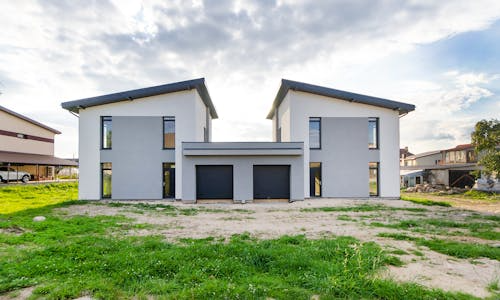
Duplex developments have become an attractive option for homeowners and investors looking to maximise the value of residential land. Instead of constructing a single dwelling on a block, a duplex allows two separate residences to be built on the same parcel of land. This approach creates additional housing opportunities while making more efficient use of available space.
The popularity of duplex developments continues to grow because they offer flexibility and financial advantages. Property owners may choose to live in one residence while renting the other, sell one dwelling to recover development costs, or retain both properties as long-term investments. These possibilities have made duplex construction an increasingly appealing strategy in many residential areas.
Before examining land size requirements, it is important to understand what defines a duplex and why so many people are choosing this development model.
What Is a Duplex?
A duplex is a residential development consisting of two separate homes built on a single block of land. The dwellings may share a common wall, be attached in a side-by-side arrangement, or be designed with separate entrances and outdoor spaces.
Although both homes occupy the same parcel of land, they function as independent residences. Each dwelling typically includes its own kitchen, living areas, bedrooms, bathrooms, and utility connections. This separation allows occupants to enjoy privacy while benefiting from efficient land use.
Duplex developments are often considered a practical solution for increasing housing supply without significantly changing the character of established residential neighbourhoods.
Why Property Owners Choose Duplex Developments
Many property owners are attracted to duplex developments because they offer opportunities to increase both income and property value. By creating two dwellings instead of one, owners can potentially generate higher rental returns and improve the financial performance of their property.
Duplexes also provide flexibility for changing family needs. Some homeowners use one dwelling for ageing parents or adult children while maintaining their own private residence on the same property. This arrangement allows family members to live close together while preserving independence.
The combination of financial benefits and lifestyle flexibility continues to drive interest in duplex construction across many residential markets.
What Is the Minimum Land Size for a Duplex?
The minimum land size required for a duplex depends largely on local planning regulations and the specific characteristics of the site. While many councils have guidelines regarding minimum lot sizes, frontage requirements, and private open space provisions, there is no single rule that applies to every location.
In many areas, a block of approximately 600 to 700 square metres is often considered suitable for duplex development. However, some councils may allow duplexes on smaller lots, while others may require larger sites depending on zoning and development controls.
Because regulations vary considerably between jurisdictions, property owners should always consult local planning authorities and experienced dual occupancy home builders before making development decisions.
Why There Is No Universal Minimum Size
One of the reasons there is no universal minimum land size is that planning regulations differ from one municipality to another. Local councils establish rules designed to balance housing density, neighbourhood character, infrastructure capacity, and community needs.
As a result, a block that qualifies for duplex development in one area may not meet the requirements in another. Factors such as zoning classifications, overlays, and local planning policies all influence what can be built on a particular site.
This variability highlights the importance of obtaining professional advice before purchasing land or preparing development plans.
The Importance of Site Dimensions
Land size alone does not determine whether a duplex can be built. The shape and dimensions of the block are equally important. A wide frontage can provide greater design flexibility and improve access arrangements, even if the overall land area is relatively modest.
Conversely, a narrow block may present challenges despite meeting minimum size requirements. Designers and builders must consider setbacks, parking requirements, and private open space provisions when developing plans.
Site dimensions often play a critical role in determining whether a duplex project can be approved and constructed successfully.
Factors That Influence Duplex Development Potential
While land size is a major consideration, several other factors influence whether a property is suitable for duplex construction. These factors affect both the feasibility of the project and the likelihood of obtaining planning approval.
Understanding these considerations helps property owners evaluate development opportunities more effectively. It also reduces the risk of unexpected complications during the planning process.
A comprehensive assessment should examine not only the size of the land but also its broader development characteristics.
Zoning and Planning Regulations
Zoning regulations determine how land can be used and what types of developments are permitted within a particular area. Some residential zones encourage increased housing density, while others impose restrictions designed to preserve neighbourhood character.
Before proceeding with a duplex project, it is essential to confirm that the site’s zoning permits dual occupancy development. Additional planning overlays may also influence design requirements and approval processes.
Understanding these regulations early can save significant time and expense during project planning.
Setback and Open Space Requirements
Most councils require residential developments to provide adequate setbacks from property boundaries and sufficient private open space for occupants. These requirements ensure that new developments maintain livability and integrate appropriately with surrounding properties.
Setback regulations influence building placement, while open space requirements affect the amount of land available for construction. Both factors play an important role in determining whether a duplex design can be accommodated on a site.
Meeting these standards is essential for obtaining development approval.
Vehicle Access and Parking Considerations
Access and parking are key considerations in duplex developments. Councils typically require each dwelling to have adequate parking facilities and safe vehicle access.
Providing driveways, garages, or carports may reduce the amount of land available for building footprints and outdoor areas. These infrastructure requirements must be carefully incorporated into the design process.
Effective site planning helps ensure that parking and access needs are met without compromising overall functionality.
The Role of Dual Occupancy Home Builders
Dual-occupancy home builders play a crucial role in transforming development concepts into completed projects. Their expertise extends beyond construction and often includes planning guidance, design collaboration, and project management.
Working with experienced professionals can help property owners navigate complex regulations and maximise the potential of their land. Builders also provide valuable insights regarding feasibility, costs, and construction methods.
Their involvement often contributes significantly to the success of duplex developments.
Assessing Land Suitability
One of the first tasks performed by dual occupancy home builders is evaluating whether a site is suitable for development. This assessment considers factors such as land size, dimensions, zoning, access, and site conditions.
A thorough evaluation helps identify potential opportunities and constraints before significant time or money is invested in planning. It also provides greater certainty regarding the project’s feasibility.
Early site assessments are an important foundation for successful development.
Developing Practical Design Solutions
Experienced builders work closely with designers and architects to create layouts that maximise land use while complying with planning requirements. Their construction knowledge allows them to identify practical design solutions that improve functionality and efficiency.
Effective design can often overcome site challenges and enhance the overall value of the development. Builders contribute valuable insights that help balance aesthetics, compliance, and budget considerations.
This collaborative approach often results in more successful project outcomes.
Managing Construction Efficiently
Once approvals have been obtained, builders oversee the construction process and coordinate the various trades involved. Their responsibilities include scheduling, quality control, and ensuring compliance with building standards.
Efficient project management helps maintain timelines and minimise disruptions. It also contributes to better construction quality and a smoother overall experience for property owners.
Professional management is particularly important in duplex developments where multiple dwellings must be completed simultaneously.
Common Challenges When Planning a Duplex
Although duplex developments offer many benefits, they also present unique challenges. Understanding these obstacles can help property owners prepare more effectively and avoid costly mistakes.
Many challenges can be addressed through careful planning and professional guidance. Identifying potential issues early often leads to more efficient project delivery.
Awareness of these challenges contributes to better decision-making throughout the development process.
Underestimating Development Costs
One common mistake is focusing solely on construction expenses while overlooking additional costs such as permits, design fees, engineering reports, utility connections, and landscaping.
These expenses can significantly influence the overall project budget. Comprehensive financial planning is essential for avoiding unexpected shortfalls during development.
Accurate budgeting helps ensure that the project remains financially viable from start to finish.
Assuming Every Large Block Can Support a Duplex
Some property owners assume that any large block automatically qualifies for duplex development. However, planning regulations, site constraints, and infrastructure requirements may limit development potential even on sizable parcels of land.
A detailed feasibility assessment is necessary to determine whether a site can accommodate a duplex successfully. Relying on assumptions can lead to costly disappointments and delays.
Professional advice helps provide a more accurate understanding of development opportunities.
Ignoring Future Market Demand
Successful duplex developments should consider not only current needs but also future market demand. Factors such as dwelling size, layout, location, and target demographics influence long-term value and market appeal.
Designing with future buyers or tenants in mind can improve the property’s performance and enhance return on investment. Market research is, therefore, an important component of project planning.
Understanding demand trends helps create developments that remain attractive over time.
Benefits of Building a Duplex on the Right Block
When developed appropriately, a duplex can provide numerous advantages for homeowners and investors. These benefits extend beyond immediate financial returns and often contribute to long-term property value.
The ability to maximise land use while creating multiple housing opportunities makes duplex developments particularly appealing in growing residential markets.
Choosing the right block and working with experienced professionals are key factors in achieving these benefits.
Creating Additional Income Opportunities
A duplex allows property owners to generate income from two residences rather than one. This can improve rental yields and provide greater financial flexibility.
For some homeowners, rental income from one dwelling helps offset mortgage costs while they live in the other residence. This arrangement can enhance affordability and support long-term wealth creation.
The income potential of duplex developments remains one of their most attractive features.
Increasing Property Value
Developing a duplex often increases the overall value of the land by enhancing its productive use. Well-designed dual occupancy projects can attract strong buyer and investor interest.
Additional dwellings also provide greater flexibility for future property transactions. Owners may choose to sell one residence while retaining the other or capitalise on the increased value of the completed development.
This potential for value creation makes duplex construction an appealing investment strategy.
Supporting Changing Family Needs
Duplex developments can accommodate evolving family circumstances by providing housing for relatives while maintaining privacy and independence. This flexibility is particularly valuable for multigenerational households.
The ability to keep family members close without sacrificing personal space offers both practical and emotional benefits. Duplexes can therefore serve as a long-term housing solution for a variety of family structures.
Their adaptability contributes to their growing popularity among homeowners.
Frequently Asked Questions
What is the minimum land size for a duplex?
The minimum land size varies depending on local council regulations, zoning requirements, and site characteristics. In many areas, blocks between 600 and 700 square metres may be suitable, but professional assessment is essential.
Can I build a duplex on a narrow block?
It may be possible to build a duplex on a narrow block if the site meets planning requirements relating to setbacks, access, parking, and open space. Site dimensions are often just as important as total land area.
Why should I work with dual-occupancy home builders?
Dual occupancy home builders provide expertise in site assessment, design coordination, planning compliance, and construction management. Their knowledge helps maximise development potential while reducing risks and delays.
Conclusion
Determining the minimum land size for a duplex involves much more than measuring a block of land. Zoning regulations, site dimensions, access requirements, open space provisions, and local planning policies all influence whether a duplex can be built successfully. While many suitable sites fall within the 600 to 700 square metre range, every property should be assessed individually.
Working with experienced dual occupancy home builders is one of the most effective ways to evaluate development potential and navigate the complexities of duplex construction. Their expertise can help property owners make informed decisions, avoid costly mistakes, and maximise the value of their land. With careful planning and professional guidance, a duplex development can provide long-term financial benefits, increased property value, and flexible housing opportunities for years to come.