

Many people want a home that is both comfortable and environmentally responsible. They want to keep ants out of the kitchen, mosquitoes away from outdoor spaces, rodents out of storage areas, and termites away from timber structures, but they also want to avoid unnecessary harm to pets, wildlife, soil, air quality, and surrounding ecosystems.
This has led to growing interest in greener approaches to pest management.
Because of this, many homeowners ask an important question: Can pest control be environmentally friendly? The answer is yes. Pest control can be environmentally friendly when it focuses on prevention, targeted treatments, low-toxicity methods, habitat management, and responsible product use rather than excessive blanket spraying.
Eco-friendly pest control does not mean ignoring pest problems or allowing infestations to grow. Instead, it means solving pest issues in smarter ways that reduce environmental impact while still protecting health, comfort, and property.
This guide explains how Eco-friendly Pest Control works, the methods commonly used, benefits for homes and businesses, common myths, and how to choose sustainable pest solutions that are practical and effective.
Can Pest Control Be Environmentally Friendly
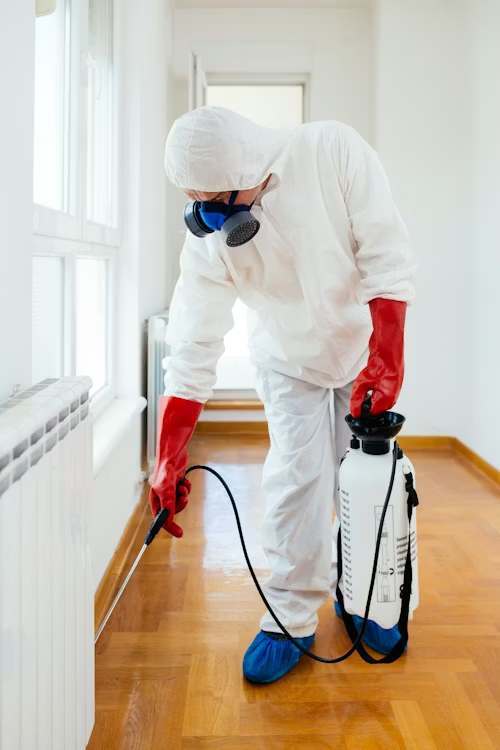
Yes, pest control can be environmentally friendly when it prioritises prevention, precision, and low-impact solutions.
Modern pest management often uses a strategy called integrated pest management, which focuses on identifying the pest, understanding why it is present, removing the conditions that support it, and using treatments only when necessary. This reduces waste, unnecessary chemical exposure, and repeated applications.
Environmentally friendly pest control aims to solve pest problems while protecting people, pets, beneficial insects, and the wider environment.
What Eco-Friendly Pest Control Means
Eco-friendly pest control is the use of responsible methods that reduce pest populations with minimal environmental harm.
It may include sanitation, sealing entry points, habitat changes, traps, biological controls, plant-based products, and carefully targeted treatments. The focus is on long-term prevention rather than constant reaction.
This approach often provides better lasting results because it addresses the root causes of infestations.
Why Traditional Overuse of Chemicals Is a Concern
Older pest control habits often relied heavily on repeated broad spraying.
Impact on Beneficial Insects
Non-target insects, such as pollinators, can be harmed when products are misused.
Water and Soil Concerns
Improper application may contaminate nearby soil or waterways.
Resistance Problems
Some pests become harder to control when overexposed to the same chemicals.
Repeated Dependence
Without solving root causes, pests may keep returning.
Eco-friendly methods reduce these risks through smarter management.
Prevention Is the Most Sustainable Pest Control Tool
The greenest pest treatment is often prevention.
Food Control
Store food properly, clean crumbs, and secure waste bins.
Water Control
Fix leaks and remove standing water.
Shelter Reduction
Reduce clutter, trim overgrown vegetation, and clean storage spaces.
Entry Point Sealing
Close gaps around doors, pipes, vents, and windows.
When pests cannot access food, water, and shelter, infestations become less likely.
Integrated Pest Management Explained
Integrated pest management, often called IPM, is a leading eco-friendly strategy.
Inspection First
Professionals identify the exact pest and level of activity.
Monitoring
Traps and inspections track pest movement and population levels.
Threshold Decisions
Treatment is used when pest activity reaches a level requiring action.
Multiple Solutions
Sanitation, repairs, traps, and selective products are combined.
IPM avoids unnecessary treatment and supports long-term control.
Natural and Low-Impact Pest Control Methods
Many eco-friendly options rely on simple but effective methods.
Traps
Rodent traps, sticky monitors, and insect traps can reduce populations without widespread spraying.
Barriers
Door sweeps, mesh screens, and sealed cracks physically stop pests.
Heat or Steam
Useful in some situations, such as bed bug treatment.
Vacuum Removal
Some insects can be physically removed during treatment.
Targeted Baits
These use small amounts of product placed precisely where pests feed.
These methods often reduce overall environmental exposure.
Plant-Based and Botanical Products
Some eco-friendly pest control programs use plant-derived ingredients.
Essential Oil-Based Solutions
Certain botanical formulas may help repel or disrupt pests.
Citrus or Herbal Components
Some products use natural scent compounds.
Responsible Use Still Matters
Natural does not always mean harmless, so products should still be used properly.
Botanical tools are often most effective as part of a broader strategy.
Biological Pest Control Methods
Nature can sometimes help control pests.
Beneficial Insects
Predatory insects may help reduce garden pests.
Microbial Controls
Some products use naturally occurring organisms that target specific pests.
Balanced Landscapes
Healthy outdoor ecosystems can reduce pest outbreaks.
Biological methods are especially useful in gardens and outdoor spaces.
Eco-Friendly Pest Control for Homes
Residential properties can benefit greatly from green approaches.
Kitchens
Sanitation and sealed food storage reduce ants and cockroaches.
Bathrooms
Moisture control helps prevent silverfish and roaches.
Roof Spaces
Exclusion work helps deter rodents.
Outdoor Areas
Drainage management and garden trimming reduce mosquito and pest pressure.
Homes often respond well to preventive methods.
Eco-Friendly Pest Control for Gardens
Gardens require extra care because they involve soil, plants, and pollinators.
Choose Native Plants
Healthy native plants often require fewer interventions.
Remove Standing Water
Helps reduce mosquito breeding.
Mulch and Soil Health
Balanced soil supports stronger plants.
Spot Treatment Only
Treat affected plants rather than spraying everything.
This protects beneficial insects and the surrounding life.
Eco-Friendly Pest Control for Businesses
Businesses also seek greener pest solutions.
Restaurants
Sanitation-focused programs reduce reliance on chemicals.
Offices
Low-odour and discreet methods support staff comfort.
Warehouses
Monitoring and exclusion are highly effective.
Hospitality Venues
Sustainable practices can align with brand values.
Commercial sites often value prevention and documentation.
Is Eco-Friendly Pest Control Effective
Yes, when applied correctly.
Root Cause Focus
It solves why pests are present, not only the visible symptoms.
Better Long-Term Results
Prevention reduces recurring infestations.
Flexible Strategies
Methods can be adjusted by season and pest type.
Professional Expertise Helps
Correct identification is essential for success.
Eco-friendly does not mean weak—it means strategic.
Common Pests Managed Environmentally
Many common pests can be controlled responsibly.
Ants
Food control, sealing gaps, and targeted baits work well.
Cockroaches
Sanitation, moisture control, and crack treatments are effective.
Rodents
Exclusion and traps are major tools.
Mosquitoes
Source reduction and water management are key.
Flies
Waste control and sanitation help greatly.
When Stronger Treatment May Still Be Needed
Some situations require additional intervention.
Severe Infestations
Large infestations may need stronger targeted products.
Structural Pests
Termites often require professional specialised treatment.
Public Health Risks
Urgent pest problems sometimes need immediate control measures.
Hybrid Programs Work Best
Even when products are needed, prevention should continue.
Eco-friendly pest control is about minimising impact, not refusing all treatment.
Choosing an Eco-Friendly Pest Control Provider
Not all companies define green practices the same way.
Ask About Methods
Do they inspect first or simply spray?
Ask About Prevention
Good providers recommend repairs and sanitation.
Ask About Product Use
Responsible companies explain where and why products are applied.
Ask About Monitoring
Regular monitoring reduces unnecessary repeat treatments.
Transparency is a strong sign of quality service.
Myths About Eco-Friendly Pest Control
Several misunderstandings are common.
Myth One: It Means No Pest Control
False. It means smarter pest control.
Myth Two: Natural Always Means Safe
Any product should still be used responsibly.
Myth Three: Green Methods Are Too Slow
Many preventive methods work quickly when combined properly.
Myth Four: Only Chemicals Work
Exclusion, sanitation, and trapping are often extremely effective.
Understanding these myths helps people choose better solutions.
How Homeowners Can Start Today
Simple changes can make a big difference.
Store Food Securely
Use sealed containers and clean spills quickly.
Repair Leaks
Moisture attracts pests.
Declutter Storage Areas
Reduces hiding places.
Inspect Entry Points
Seal cracks and gaps.
Maintain Outdoor Spaces
Trim vegetation touching walls and remove debris.
These habits reduce pest pressure naturally.
Safety Benefits of Eco-Friendly Pest Control
Many people choose green methods for household comfort.
Lower Unnecessary Exposure
Less broad spraying means more precise treatment.
Better for Pets and Children
When properly managed, preventive systems can reduce contact risks.
Improved Indoor Comfort
Low-odour approaches are often preferred indoors.
Supports Responsible Living
Many households value sustainability choices.
Long-Term Environmental Benefits
Eco-friendly pest control can contribute positively over time.
Protects Pollinators
Bees and butterflies benefit from reduced indiscriminate spraying.
Reduces Waste
Fewer repeat treatments and smarter planning lower material use.
Supports Soil and Water Care
Responsible application lowers contamination risk.
Encourages Sustainable Habits
Good pest control often overlaps with better property maintenance.
Frequently Asked Questions
Can pest control be environmentally friendly?
Yes, when it uses prevention, targeted treatment, and low-impact methods.
Is eco-friendly pest control effective?
Yes, especially when combined with inspection, sanitation, and exclusion.
Does eco-friendly mean chemical-free?
Not always. It often means using fewer and more carefully selected treatments.
Conclusion
If you are asking, ” Can pest control be environmentally friendly, the answer is clearly yes. Modern pest management has evolved far beyond routine blanket spraying. Today, effective pest control can focus on prevention, monitoring, habitat changes, exclusion, and carefully targeted solutions that reduce environmental impact.
Eco-friendly pest control protects more than the home. It can also help protect pets, beneficial insects, gardens, water quality, and the surrounding ecosystem. In many cases, these methods also provide stronger long-term results because they address the reasons pests are present.
In the end, sustainable pest control is about balance. You do not have to choose between a pest-free property and environmental responsibility. With the right strategy, you can have both.