

Garden debris is an inevitable part of maintaining any outdoor space. Whether it is fallen leaves, broken branches, grass clippings, weeds, or leftover plant materials after pruning, debris tends to accumulate over time.
While it may seem harmless at first, unmanaged garden waste can quickly affect the appearance, safety, and overall health of your landscape. A cluttered garden not only looks untidy but can also create hiding places for pests, block drainage systems, and even damage lawns and plants.
This leads to a common and practical question for homeowners, gardeners, and property managers alike: What is the best way to get rid of garden debris?
The answer depends on several factors, including the type of debris, the size of the property, local regulations, environmental considerations, and personal preferences. Some methods focus on convenience, while others prioritise sustainability or cost-effectiveness. Understanding the different approaches allows you to choose a solution that is efficient, safe, and environmentally responsible.
This comprehensive guide explores everything you need to know about Garden Debris Removal. From understanding what qualifies as garden waste to exploring the best disposal methods, tools, and professional services, this article provides a detailed and practical look at how to manage garden debris effectively.
What Is Garden Debris
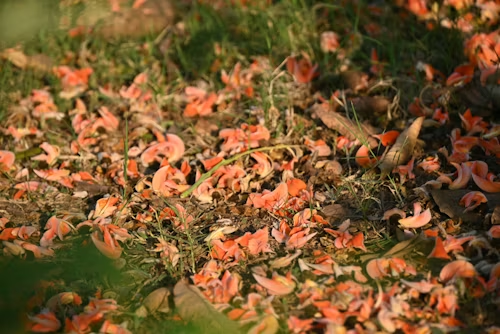
Garden debris refers to any organic or natural waste generated from maintaining outdoor spaces. It includes a wide range of materials, each with its own handling and disposal requirements.
Common Types of Garden Debris
Leaves are one of the most common forms of garden waste, especially during autumn. While they can provide nutrients when decomposed, excessive buildup can suffocate grass and create slippery surfaces.
Branches and twigs often accumulate after storms or pruning. Larger branches may require cutting or specialised equipment to handle safely.
Grass clippings are produced during regular lawn mowing. While small amounts can decompose naturally, excessive clippings can form thick layers that affect lawn health.
Weeds are another major component of garden debris. Removing them is essential for maintaining plant health, but they must be disposed of properly to prevent regrowth.
Pruned plant materials, such as stems, flowers, and shrubs, also contribute to debris, especially during seasonal maintenance.
Why Garden Debris Needs Proper Management
Leaving garden debris unattended can lead to several issues. It can block drainage systems, leading to water pooling and potential damage to structures. It may attract pests such as insects and rodents, creating an unhealthy environment. Additionally, excessive organic matter can disrupt soil balance and negatively impact plant growth.
Proper removal ensures that outdoor spaces remain functional, safe, and visually appealing.
What Is the Best Way to Get Rid of Garden Debris
There is no single method that works for every situation. The best approach often involves a combination of techniques based on the type and volume of debris.
Composting as a Sustainable Solution
Composting is one of the most environmentally friendly ways to handle garden waste. It involves breaking down organic materials into nutrient-rich compost that can be reused in the garden.
This method is ideal for leaves, grass clippings, and small plant materials. Over time, compost improves soil quality, supports plant growth, and reduces the need for chemical fertilisers.
However, composting requires space, time, and proper management. Not all materials are suitable for composting, especially diseased plants or large woody branches.
Green Waste Collection Services
Many local councils offer green waste collection services, allowing residents to dispose of garden debris conveniently. These services typically involve designated bins or scheduled pickups.
This method is practical for households that generate moderate amounts of garden waste and prefer a simple disposal solution. It ensures that debris is handled responsibly and often processed into compost or mulch at specialised facilities.
Mulching for Immediate Reuse
Mulching involves shredding garden debris into smaller pieces and spreading it over soil surfaces. This technique helps retain moisture, suppress weeds, and regulate soil temperature.
Leaves, grass clippings, and small branches can be easily converted into mulch using basic equipment. Mulching is both cost-effective and environmentally beneficial, as it keeps organic material within the garden ecosystem.
Burning Where Permitted
In some areas, controlled burning of garden debris is allowed under strict regulations. This method quickly reduces waste volume but must be approached with caution due to fire risks and environmental concerns.
Before considering burning, it is essential to check local laws and ensure that safety guidelines are followed. In many urban areas, burning is restricted or prohibited.
Professional Garden Debris Removal Services
Hiring professionals is often the most efficient option for large-scale or complex cleanup tasks. These services handle everything from collection and removal to disposal and recycling.
Professional services are particularly useful after major landscaping projects, storms, or seasonal cleanups. They save time, reduce physical effort, and ensure that debris is managed responsibly.
Tools and Equipment for Garden Debris Removal
Having the right tools can make a significant difference in efficiency and effectiveness.
Basic Hand Tools
Rakes are essential for gathering leaves and light debris. They are simple to use and suitable for most garden sizes.
Pruning shears and loppers are useful for cutting branches into manageable pieces. They help reduce the size of debris and make handling easier.
Garden bags or bins are necessary for collecting and transporting waste. Durable containers can handle heavier loads and prevent spillage.
Powered Equipment
Leaf blowers are effective for quickly clearing large areas. They save time and reduce manual effort, especially in open spaces.
Mulchers and shredders are designed to break down branches and plant materials into smaller pieces. This makes disposal easier and supports recycling efforts.
Vacuum systems can collect and store debris in one step, making cleanup more efficient.
Safety Equipment
Gloves protect hands from sharp objects and rough materials. Eye protection is important when using powered equipment to prevent debris from causing injury.
Proper footwear provides stability and reduces the risk of slips, especially on uneven or wet surfaces.
Sorting and Preparing Garden Debris
Effective removal begins with proper sorting and preparation.
Separating Organic and Non-Organic Materials
Garden debris should be separated from non-organic waste such as plastic, metal, or treated wood. Mixing materials can complicate disposal and reduce recycling opportunities.
Cutting and Reducing Size
Large branches and bulky materials should be cut into smaller pieces. This makes handling easier and allows for more efficient use of space in bins or transport vehicles.
Drying Wet Materials
Wet leaves and grass clippings can become heavy and difficult to manage. Allowing them to dry slightly before removal can reduce weight and improve efficiency.
Environmental Considerations in Garden Debris Removal
Sustainability is an important factor in modern garden maintenance.
Reducing Landfill Waste
Sending garden debris to landfills contributes to environmental issues such as methane emissions. Choosing recycling or composting options helps reduce this impact.
Supporting Soil Health
Reusing organic materials through composting or mulching enriches soil and supports long-term garden health.
Minimising Chemical Use
Proper debris management reduces the need for chemical treatments by preventing pest infestations and promoting natural balance.
Seasonal Factors in Garden Debris Management
Different seasons bring different challenges.
Autumn Leaf Fall
Autumn is the peak season for leaf accumulation. Regular cleanup prevents buildup and reduces workload.
Winter Maintenance
Winter may involve clearing fallen branches and maintaining drainage systems.
Spring Preparation
Spring cleanup focuses on removing leftover debris and preparing gardens for new growth.
Summer Upkeep
Summer maintenance includes managing grass clippings and trimming overgrown plants.
Cost Considerations for Garden Debris Removal
Understanding costs helps in planning and budgeting.
DIY Costs
Handling debris yourself involves expenses such as tools, equipment, and disposal fees. While it may seem cost-effective, it requires time and effort.
Professional Service Costs
Hiring professionals involves service fees but provides convenience and efficiency. Costs vary based on property size, debris volume, and service scope.
Long-Term Value
Investing in proper debris management can prevent costly issues such as drainage problems or lawn damage.
Benefits of Professional Garden Debris Removal
Professional services offer several advantages.
Time Efficiency
Experts can complete tasks quickly using specialised equipment and experience.
Thorough Cleanup
Professional teams ensure that all areas are properly cleared, including hard-to-reach spaces.
Safe Handling
Handling heavy or hazardous materials safely reduces the risk of injury.
Proper Disposal
Professionals ensure that debris is disposed of in compliance with regulations.
Common Mistakes in Garden Debris Removal
Avoiding mistakes can improve results.
Ignoring Small Debris
Small materials can accumulate over time and cause issues if not addressed.
Overloading Bins
Exceeding capacity can lead to inefficiency and potential damage.
Improper Disposal
Failing to follow regulations can result in fines or environmental harm.
Delaying Cleanup
Postponing removal allows debris to build up, making the task more difficult.
Choosing the Right Method for Your Needs
Selecting the best approach depends on individual circumstances.
Assessing Property Size
Larger properties may require more structured solutions.
Evaluating Debris Volume
High volumes may benefit from professional services.
Considering Environmental Goals
Sustainable methods may align with personal or community values.
Balancing Cost and Convenience
Finding the right balance ensures effective and practical results.
Future Trends in Garden Debris Removal
The industry continues to evolve with new approaches and technologies.
Increased Focus on Sustainability
Eco-friendly practices are becoming more common.
Advanced Equipment
Modern tools improve efficiency and reduce labour requirements.
Integrated Garden Services
Debris removal is often part of comprehensive maintenance solutions.
Conclusion
Managing garden debris effectively is essential for maintaining a clean, healthy, and functional outdoor space. While there are many ways to get rid of garden waste, the best method depends on the type of debris, property conditions, and personal priorities.
Composting, mulching, and green waste collection provide sustainable options for everyday maintenance, while professional services offer convenience and efficiency for larger or more complex tasks. By understanding the available methods and choosing the right approach, property owners can ensure that their gardens remain well-maintained and environmentally responsible.
Garden debris may be a natural part of outdoor living, but with the right strategies, it can be managed efficiently and even turned into a valuable resource for improving your landscape.