

Termites are among the most damaging pests a property owner can face, often working silently for months or even years before visible signs appear. Because of their hidden nature and ability to compromise structural integrity, effective Termite Pest Control requires more than a single quick fix.
It involves a combination of prevention, detection, and targeted treatment strategies designed to eliminate colonies and prevent reinfestation.
In regions where termite activity is common, such as across parts of Australia, understanding the best methods for termite control is essential for homeowners, builders, and property managers.
This guide explores the most effective approaches, how they work, and why integrated pest management is widely considered the most reliable long-term solution.
Understanding How Termites Cause Damage
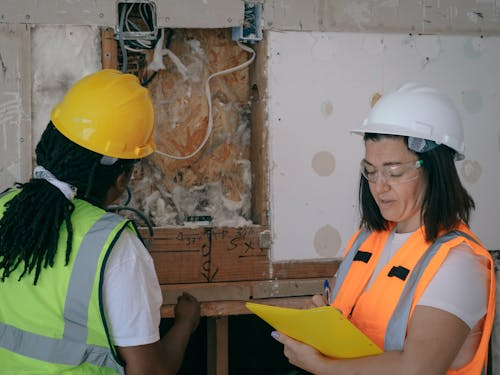
Before discussing control methods, it is important to understand how termites operate and why they are so destructive.
Colony-Based Structure and Efficiency
Termites live in large, organised colonies that can contain thousands or even millions of individuals. Each termite has a specific role, from workers that gather food to soldiers that defend the colony and reproductives that expand it.
This division of labour makes termite colonies highly efficient and difficult to eliminate without targeted strategies.
Hidden Feeding Habits
Termites consume cellulose found in wood and plant materials. They often feed from the inside out, leaving the outer surface intact while destroying the core structure.
This hidden damage is one of the main reasons infestations are often discovered late.
Continuous Expansion
Termite colonies grow continuously as long as conditions remain favourable. This means that without intervention, damage can escalate rapidly over time.
Understanding this behaviour highlights the importance of early and sustained control efforts.
What Is the Best Method for Termite Control
There is no single universal solution that works in every situation. Instead, the best termite control method is typically an integrated approach combining several techniques.
Chemical Soil Barriers
One of the most widely used methods involves applying liquid termiticides to the soil around a structure. These create a treated zone that either repels or eliminates termites attempting to enter.
This method is highly effective when applied correctly and maintained over time.
Termite Baiting Systems
Baiting systems use strategically placed stations containing materials that attract termites. Once consumed, the bait affects their growth and spreads throughout the colony.
This method is particularly useful for eliminating entire colonies rather than just individual termites.
Direct Wood Treatment
Wood treatments involve applying chemical or non-chemical solutions directly to timber elements. These treatments protect structural components and make them less attractive to termites.
This method is often used in conjunction with other control strategies.
Physical Barriers
Physical barriers are installed during construction to prevent termites from entering a structure. These may include stainless steel mesh, graded stone, or specially designed building materials.
While highly effective, they are most useful in new construction projects.
Integrated Pest Management Approach
The most effective termite control strategy combines multiple methods into a unified plan.
Combining Prevention and Treatment
Integrated pest management focuses on both preventing infestations and treating active colonies. This dual approach reduces the likelihood of recurrence.
It ensures that termites are not only removed but also discouraged from returning.
Regular Monitoring and Inspection
Ongoing inspections are essential for detecting early signs of termite activity. Monitoring allows professionals to adjust treatment plans as needed.
This proactive approach significantly improves long-term results.
Environmentally Responsible Practices
Modern termite control emphasises minimising environmental impact. This includes using targeted treatments and reducing unnecessary chemical exposure.
Sustainable practices are becoming increasingly important in pest management.
Signs That Termite Control Is Needed
Recognising early warning signs can help prevent severe damage.
Mud Tubes and Shelter Tunnels
Termites build mud tubes to travel between their nest and food sources. These structures are often found on walls, foundations, or crawl spaces.
Their presence is a strong indicator of active infestation.
Hollow-Sounding Timber
When wood is tapped and sounds hollow, it may indicate internal termite damage. This occurs because termites consume wood from the inside out.
Such signs should never be ignored.
Swarmers and Discarded Wings
Reproductive termites, known as swarmers, leave the colony to establish new ones. Finding wings near windows or doors often signals nearby activity.
This is a key warning sign of infestation.
Professional Termite Treatment Methods
Professional pest control services use advanced techniques to ensure effective elimination.
Liquid Termiticides
These treatments are applied to soil and structural areas to create a protective barrier. They work by either repelling termites or killing them upon contact.
They are commonly used for both prevention and active infestations.
Baiting Systems for Colony Elimination
Professionals strategically place bait stations around properties. Termites consume the bait and share it within the colony, leading to gradual elimination.
This method is effective for long-term control.
Fumigation for Severe Infestations
In extreme cases, fumigation may be used to treat entire structures. This involves sealing the building and introducing gas-based treatments.
While highly effective, it is typically reserved for severe infestations.
Preventive Strategies for Long-Term Protection
Prevention plays a critical role in termite control.
Moisture Management
Termites thrive in moist environments. Fixing leaks, improving drainage, and reducing humidity can make properties less attractive to them.
Dry conditions significantly reduce infestation risk.
Reducing Wood-to-Soil Contact
Direct contact between wood and soil provides easy access for termites. Keeping wooden structures elevated or isolated helps prevent entry.
This is especially important for decks and fences.
Regular Property Maintenance
Routine inspections and maintenance help identify vulnerabilities early. Sealing cracks and repairing damage reduces entry points.
Consistent upkeep is essential for prevention.
Environmental Factors That Influence Termite Activity
Understanding environmental conditions helps in developing effective strategies.
Climate Conditions
Warm and humid climates support termite activity year-round. Seasonal changes may affect behaviour, but rarely eliminate risk.
This makes ongoing control necessary in many regions.
Soil Composition
Certain soil types retain moisture and provide ideal conditions for termites. This can influence where colonies establish themselves.
Soil treatment is often part of control strategies.
Surrounding Vegetation
Dense vegetation and mulch near structures can increase termite activity. These materials provide both shelter and food sources.
Proper landscaping reduces risk significantly.
Comparing DIY and Professional Termite Control
Many property owners consider do-it-yourself solutions, but their effectiveness varies.
Limitations of DIY Methods
DIY treatments often address only visible signs of termites. They rarely reach the full colony, which continues to grow underground or within walls.
This can lead to recurring infestations.
Advantages of Professional Services
Professionals use specialised tools and treatments designed to eliminate entire colonies. They also provide inspections and long-term monitoring.
This makes professional services more reliable and effective.
Cost vs Long-Term Value
While professional treatment may cost more initially, it often prevents expensive structural repairs later. Termite damage can be costly if left untreated.
Investing in proper control saves money over time.
Common Mistakes in Termite Control
Avoiding common errors improves success rates.
Ignoring Early Warning Signs
Delaying treatment allows colonies to expand and cause more damage. Early intervention is crucial.
Small signs should always be taken seriously.
Relying on Single Treatments
Using only one method often fails to eliminate termites. Integrated approaches are more effective.
Multiple strategies provide better protection.
Lack of Ongoing Monitoring
Termite control is not a one-time solution. Without monitoring, reinfestation can occur unnoticed.
Regular checks are essential for long-term success.
Frequently Asked Questions
What is the best method for termite control?
The best method is an integrated approach combining chemical barriers, baiting systems, monitoring, and prevention strategies.
Can termites come back after treatment?
Yes, termites can return if preventive measures and monitoring are not maintained.
How often should termite inspections be done?
It is recommended to have inspections at least once a year for effective protection.
Conclusion
Effective termite pest control is not about relying on a single solution but rather combining multiple strategies that work together to eliminate colonies and prevent future infestations. From chemical barriers and baiting systems to physical prevention and ongoing monitoring, each method plays an important role in a comprehensive control plan.
The most reliable approach is integrated pest management, which focuses on long-term protection rather than short-term fixes. By understanding termite behaviour, addressing environmental factors, and investing in professional treatment and regular inspections, property owners can significantly reduce the risk of damage.
Ultimately, the best termite control method is one that is proactive, consistent, and tailored to the specific conditions of the property, ensuring lasting protection and peace of mind.